
Hong Kong Customs Flags Face Cream; Medicube Denies Dye Claims
Hong Kong Customs flagged a collagen face cream for containing banned Sudan Red dye. Korean brand Medicube denied the findings, citing independent lab tests.
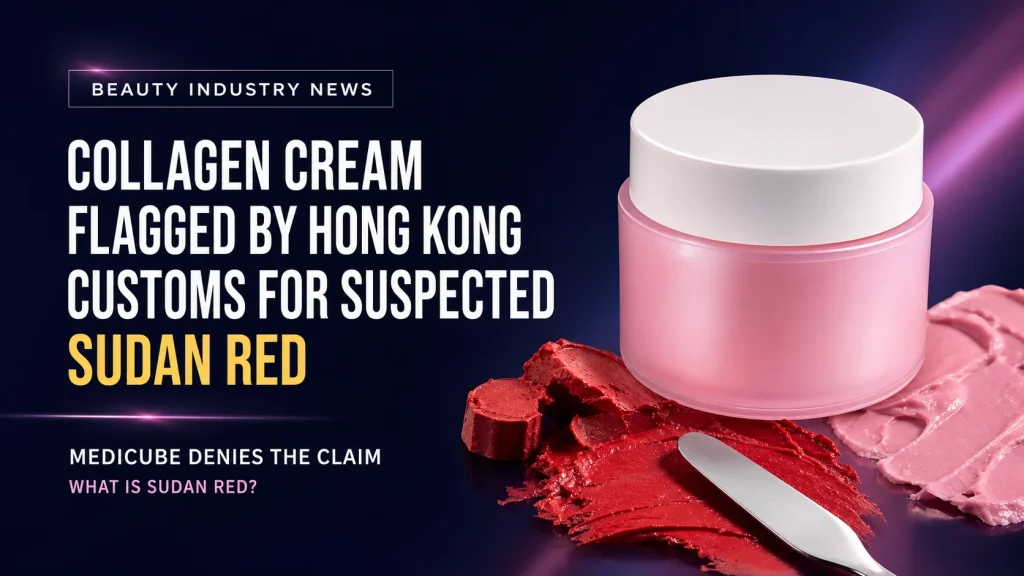
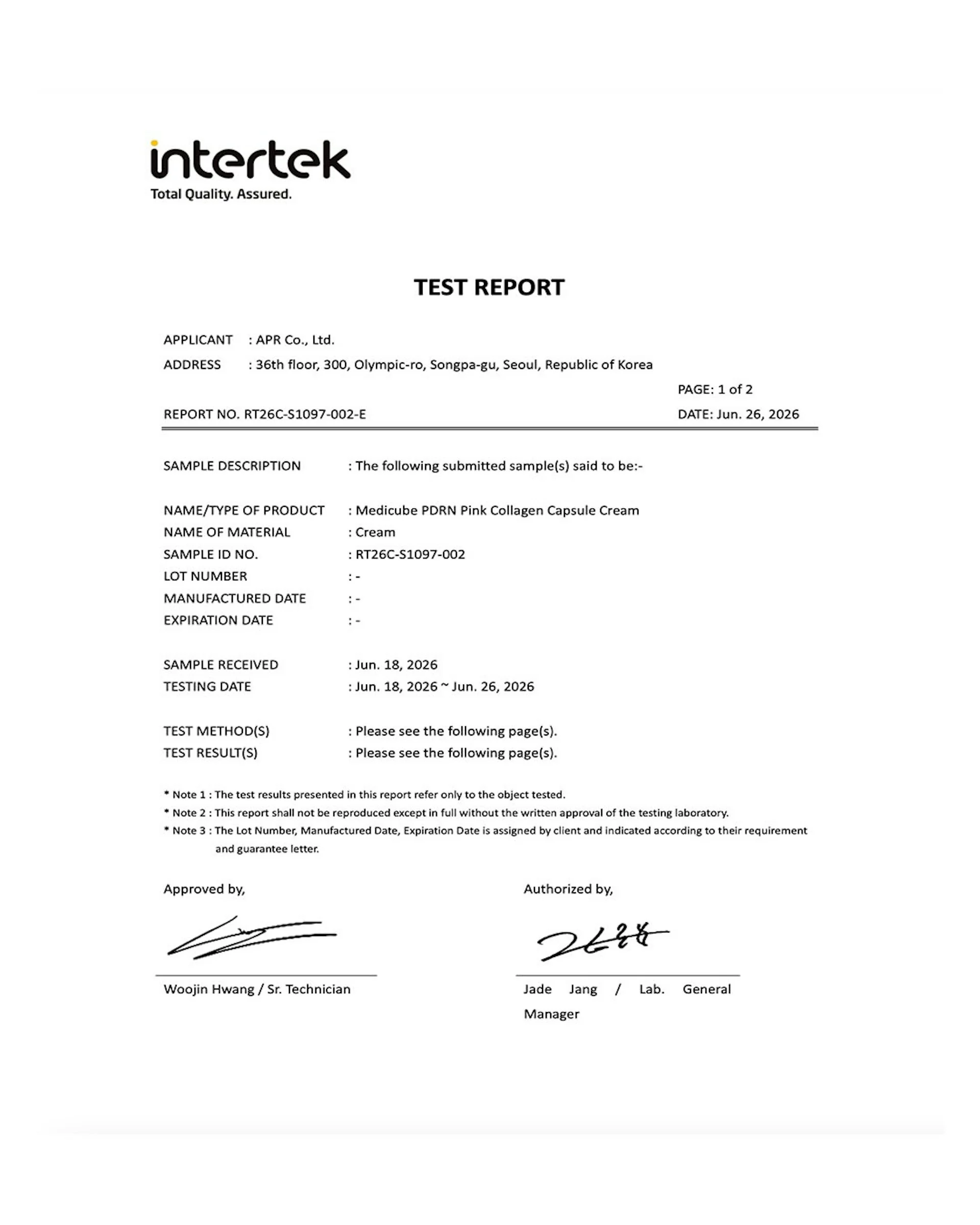
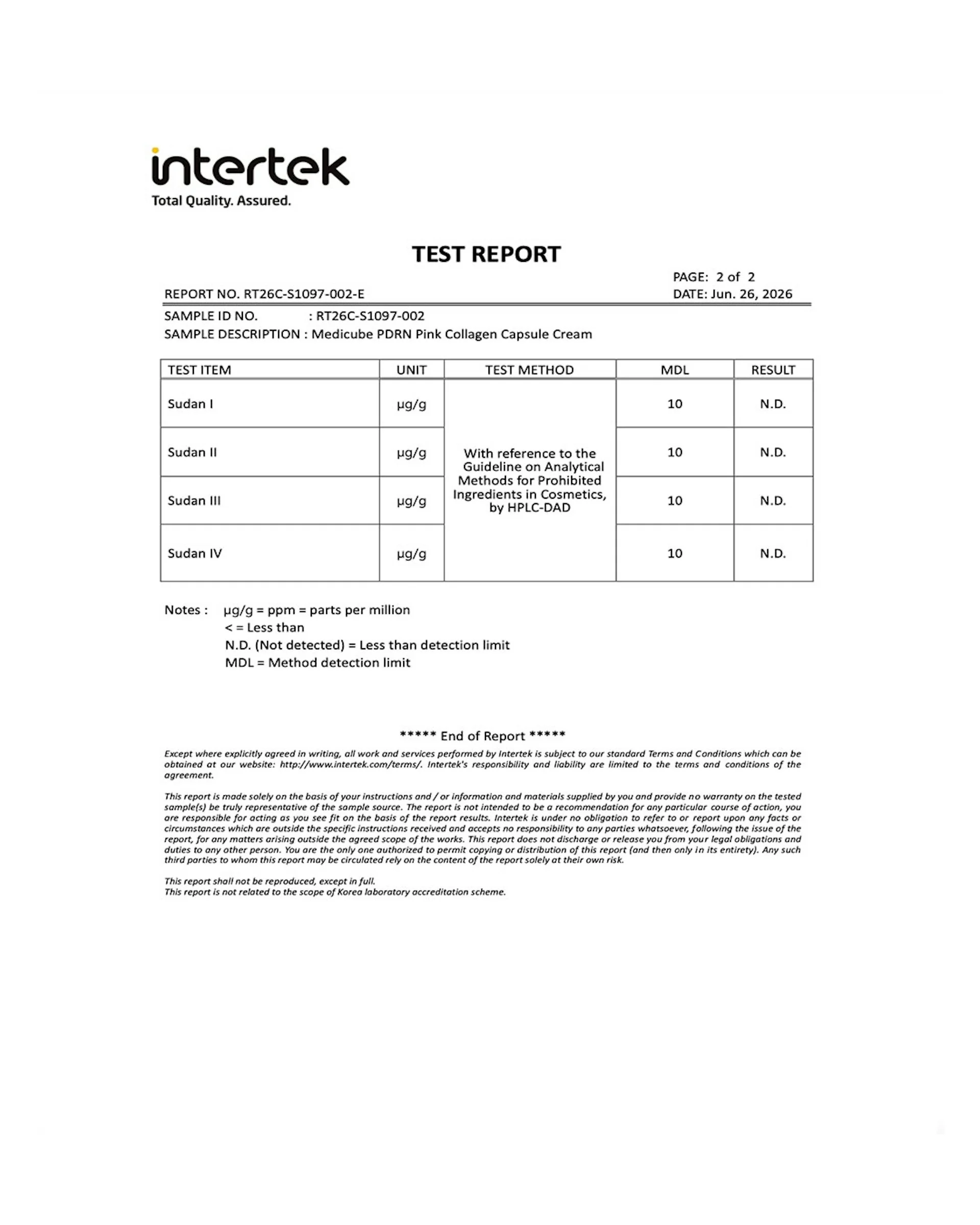
Hong Kong Customs issued a public consumer warning regarding a collagen face cream found to contain Sudan Red, an industrial dye strictly prohibited in cosmetic formulations. Authorities urged consumers to immediately stop using the product and instructed retailers to remove affected stock from shelves. Following the announcement, South Korean derma-cosmetics brand Medicube released an official statement on social media, disputing the government agency's findings and stating that tests conducted by an accredited Korean testing laboratory detected no traces of Sudan Red in the product.
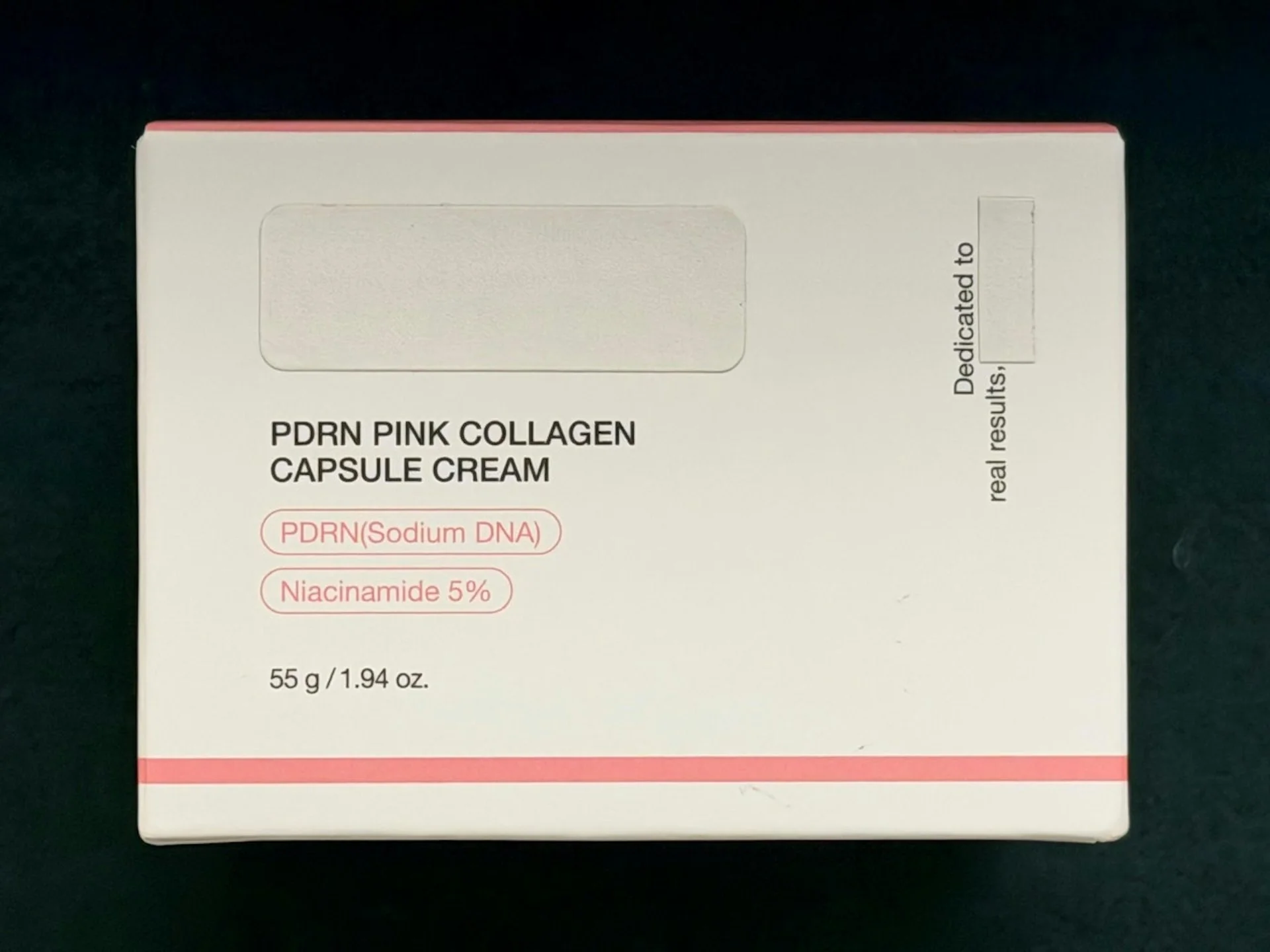
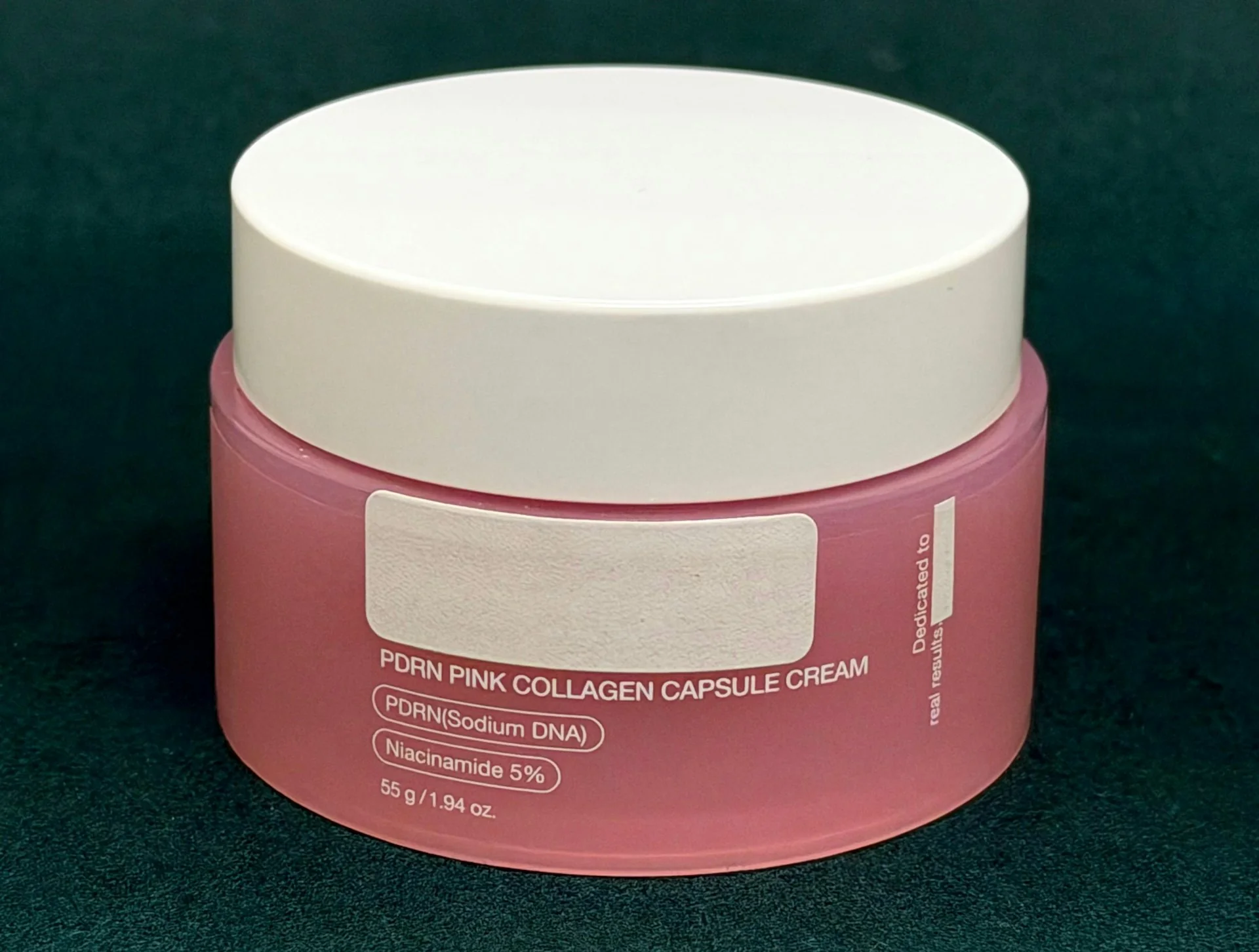
Hong Kong Customs reported that testing confirmed the presence of Sudan Red in the sampled collagen cream. Under Hong Kong's Consumer Goods Safety Ordinance and technical specifications for cosmetics safety, selling products containing banned colorants constitutes a regulatory violation.
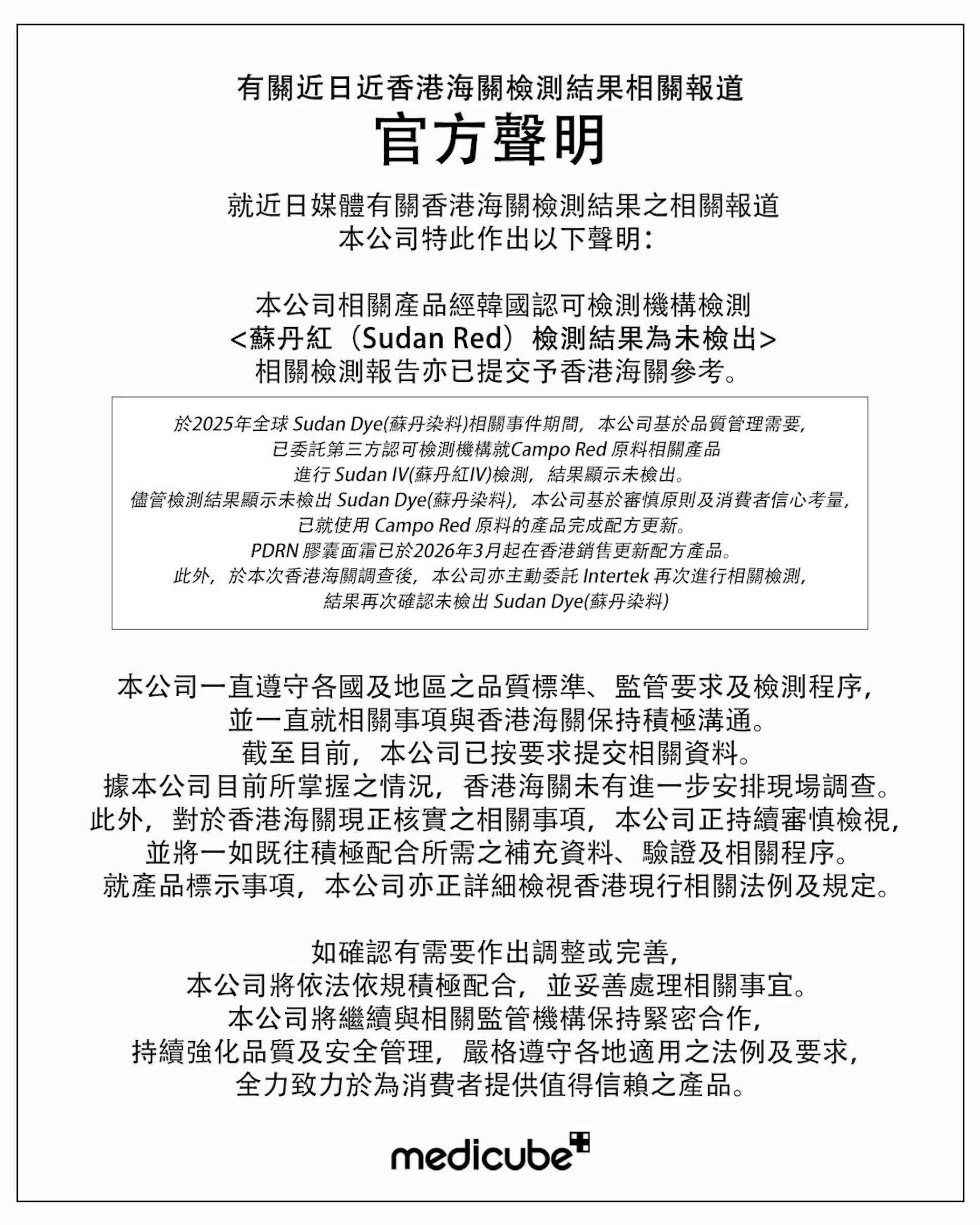
In response, Medicube shared its third-party laboratory test reports on social channels, asserting that "the product was tested by an accredited Korean testing organization and returned a result of 'Not Detected' for Sudan Red." The brand added that it has submitted these official inspection reports to Hong Kong Customs for further review.
Taiwan's 2025 Sudan Red Contamination Scandal
The alert follows a major safety scare in Taiwan in late November 2025, when illegal Sudan Red contamination spread from food products into skincare and color cosmetics, impacting over a hundred beauty SKUs across multiple well-known brands. The widespread recalls raised international concern over raw material adulteration in global supply chains.
What Is Sudan Red?
Sudan Red comprises a family of synthetic lipophilic industrial dyes routinely used to color automotive fuels, motor oils, solvents, and waxes. Valued in industrial applications for its strong staining power, fat solubility, light resistance, and low cost, it is globally banned in foods and cosmetics.
Despite international bans, rogue suppliers periodically use Sudan Red illegally to enhance the color of chili powders, animal feed, and low-cost cosmetic formulas to reduce manufacturing costs and boost visual appeal.

Health and Safety Hazards of Sudan Red
Sudan Red dyes should never be ingested or applied to human skin. Classified as Category 3 carcinogens by the International Agency for Research on Cancer (IARC), these compounds pose serious health hazards. Long-term or high-dose exposure can impair liver and kidney function, trigger severe allergic contact dermatitis, and carry potential carcinogenic risks. On the skin, Sudan Red acts as a potent sensitizer, causing redness, swelling, burning, itching, and contact allergic reactions.
Three Ingredients to Watch For
Formulation specialists and consumers should exercise extra scrutiny when products concurrently list certain botanical extracts and oils, which have historically shown a higher risk of synthetic dye cross-contamination or adulteration:
- Eclipta Prostrata Extract (False Daisy)
- Melia Azadirachta Leaf Extract (Neem Leaf)
- Moringa Oleifera Seed Oil (Moringa Oil)
When formulations combine these three ingredients, independent testing for synthetic colorants is strongly recommended to confirm raw material purity.
How to Avoid Contaminated Cosmetics
To safeguard against contaminated beauty products, industry authorities recommend the following procurement guidelines:
- Select reputable brands: Choose manufacturers with complete compliance certifications, verifiable third-party testing, and established quality control practices.
- Review full INCI listings: Ensure every product carries a clear, complete, and verifiable ingredient list, avoiding unvetted or unlabelled products.
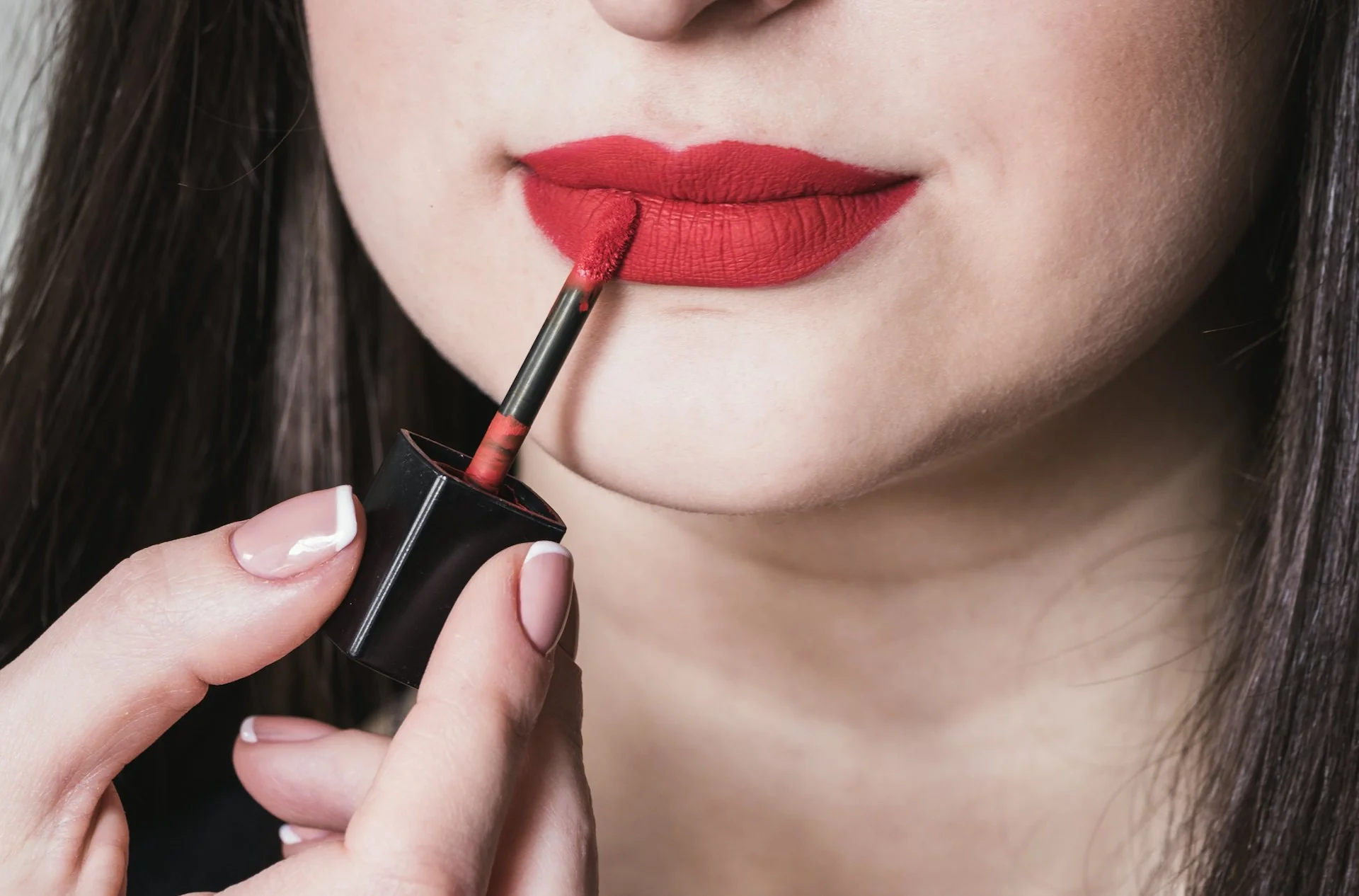
- Be cautious of "all-natural" vivid colors: Be wary of products claiming to be 100% natural while displaying intensely bright, fade-resistant pigmentation, as this can be a red flag for illicit synthetic dyes.
What to Do in Case of Exposure
- Immediately discontinue use to limit further skin absorption.
- Thoroughly flush the affected areas—especially around the face and lips—with clean water to minimize chemical residues.
- If redness, swelling, itching, or allergic reactions occur, seek prompt medical advice from a dermatologist and provide product details for clinical evaluation.



Conversation
0 Comments