Key Beauty Supply Chain and Formulation Trends From Cosmoprof North America
Observations from Cosmoprof North America reveal shifts in overseas contract manufacturing, formula IP ownership, compliance risks, and scalp care technology.

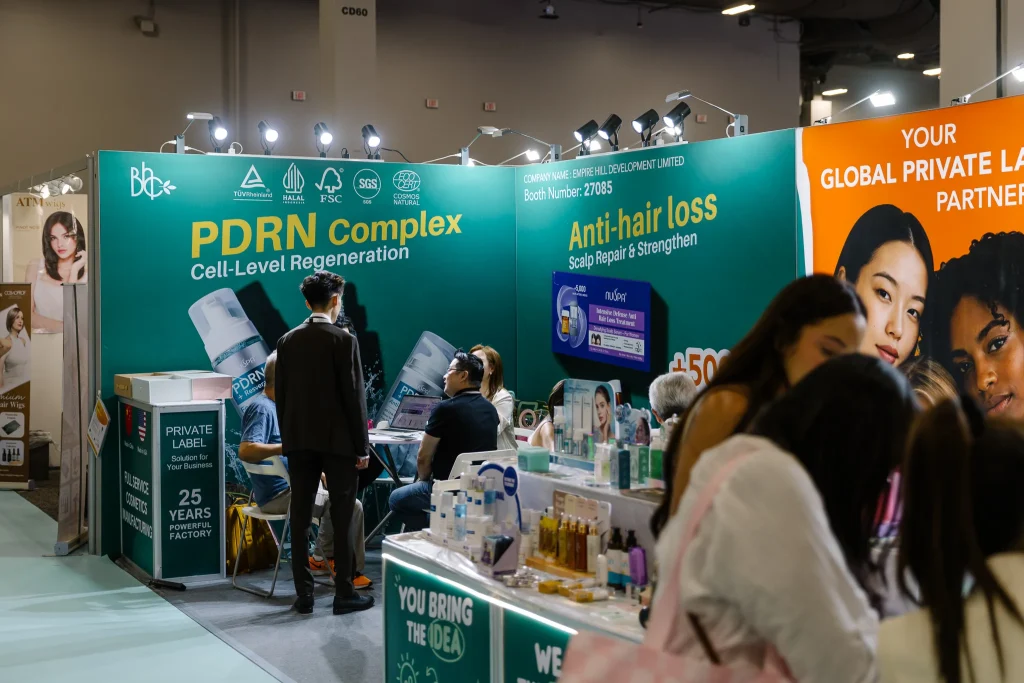
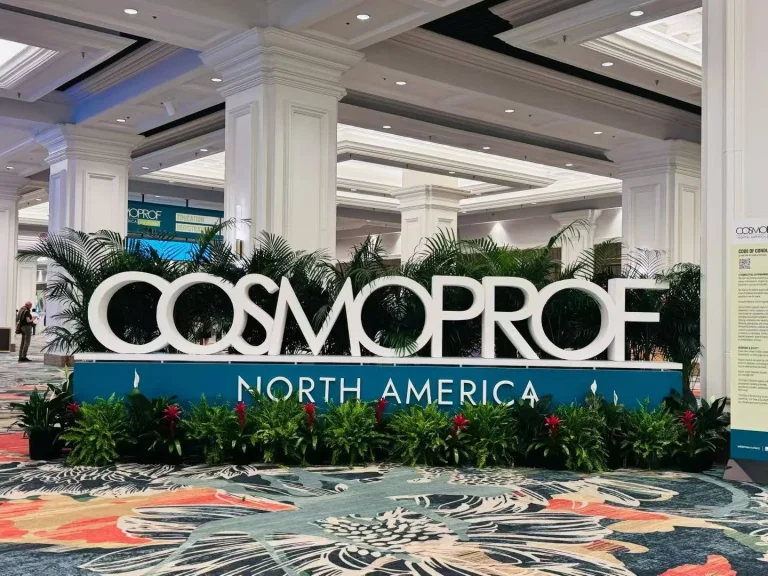
Walking through the crowds at Cosmoprof North America, held at the Mandalay Bay Convention Center in Las Vegas, offers an intense look into the direction of the global beauty industry. More than 1,000 exhibitors from 100 countries gathered to showcase their latest launches and technological developments. Beyond the surface-level color and packaging trends, direct conversations with dozens of exhibitors and attendees revealed critical shifts in manufacturing, regulation, and formulation strategy across the sector. Major e-commerce platforms also leveraged the event to build supply chain ties, as seen when JD.com expanded its cross-border presence to recruit international brands.
The Rise Of The Overseas Catalog And The Dupe Economy
One of the most noticeable structural shifts at the show was the expanded footprint of international contract manufacturers. The Asian exhibition pavilions doubled in size compared to the previous year, signaling that overseas suppliers are becoming central to product development for North American brands.
This influx is accelerating the catalog original equipment manufacturer (OEM) model. Foreign suppliers are increasingly offering low minimum order quantities (MOQs), sometimes as small as a single master case. This low-barrier model is made possible by selling identical baseline formulas to dozens of brands, allowing founders to launch products simply by adding a minor secondary ingredient and custom labeling. While this turnkey approach accelerates market entry, it also fuels the fast-mimic culture on social media. As small-batch demand pressure squeezes manufacturer margins, true market differentiation still requires custom formulation, proprietary active delivery systems, and patented technology.
Compliance And The Problem With Single Sourcing
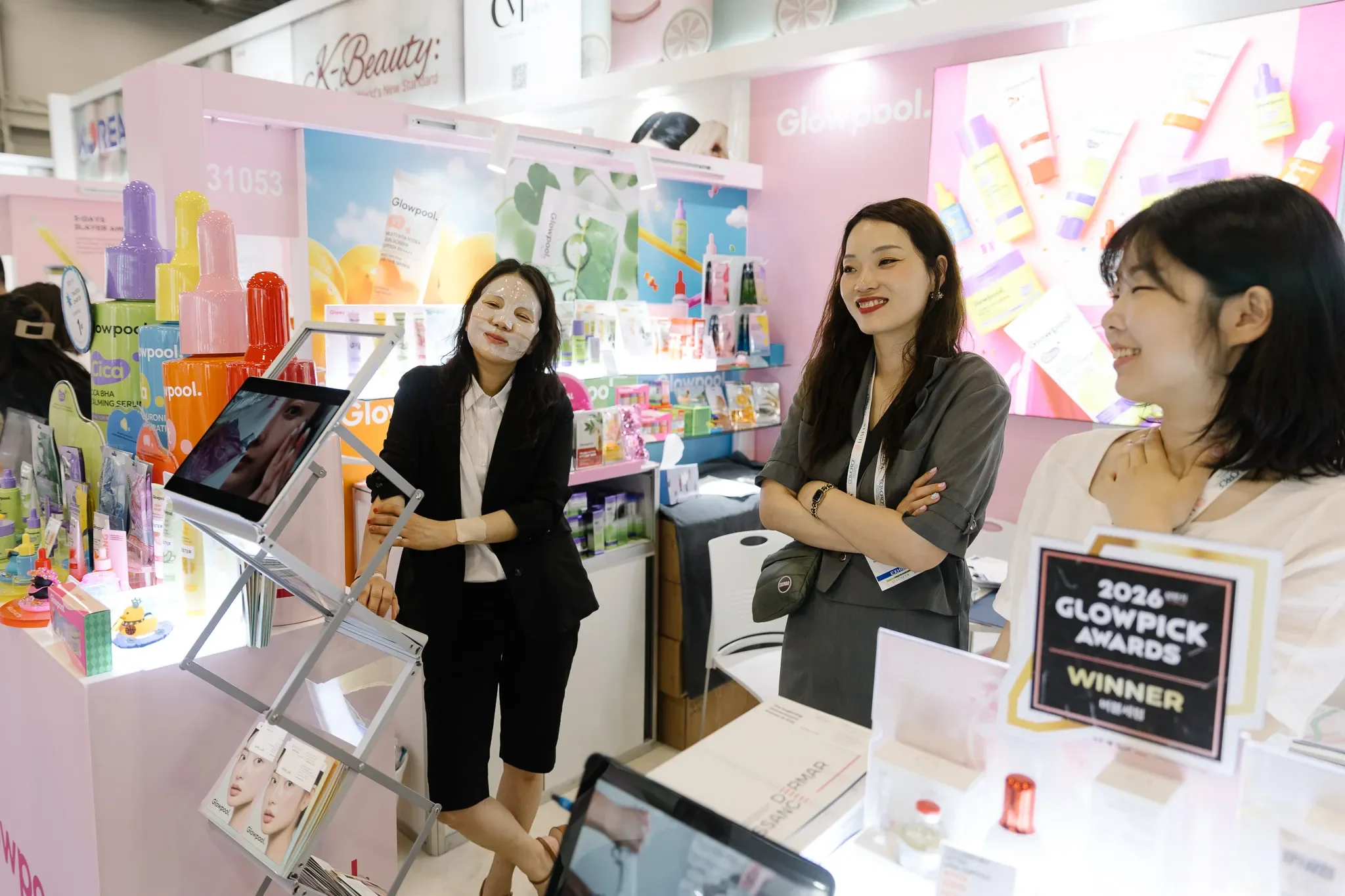
Novel ingredients and textures on the trade show floor do not automatically clear regulatory hurdles for retail distribution in the United States. During conversations with international vendors promoting trendy sunscreen formulations, several suppliers claimed U.S. compliance but failed to provide proper regulatory documentation when requested.
Many booth representatives relied on scripted sales pitches rather than technical expertise in cellular science, mechanism of action, or legal compliance. Brand founders evaluating suppliers should involve quality assurance professionals and cosmetic chemists in vendor negotiations to verify safety assessments and technical documentation before committing to production.
Additionally, single-source dependency remains a significant supply chain vulnerability. Relying on an exclusive raw material from a single supplier leaves brands exposed to disruption, as demonstrated by recent supply chain halts when specific imported colorants faced sudden regulatory bans. Diversifying ingredient sources and maintaining full visibility into contract manufacturing supply chains is essential to prevent costly reformulations.
The Myth Of Free Formulation
Contract manufacturers frequently advertise zero-cost product development to attract early-stage brands. However, waiving initial R&D fees usually means the development cost is built into higher per-unit prices, while the manufacturer retains ownership of the intellectual property (IP).
Under this arrangement, brands essentially lease their formulations. If a product becomes a commercial success, the brand may find itself unable to scale production with a new contract manufacturer or meet the strict supply chain criteria required by major retailers like Sephora without repurchasing or reformulating the product.
Outrageous Claims Vs. Reality
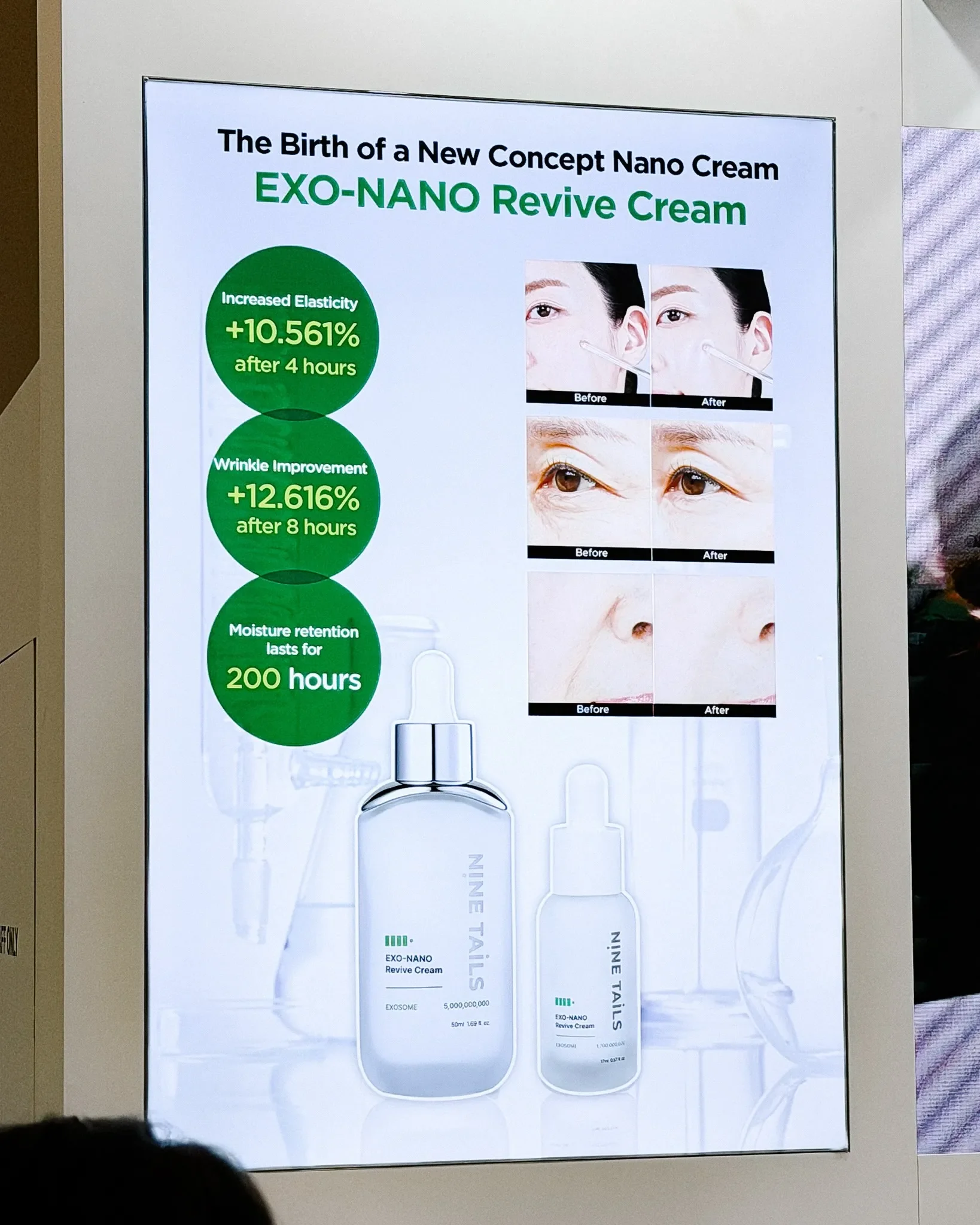
Unsubstantiated performance claims remain widespread on trade show floors, with some products boasting extreme claims such as 200 hours of continuous hydration. Validating such claims requires rigorous clinical testing, controlled corneometer measurements, and strict protocol management that accounts for daily hygiene routines.
Marketing unverified claims exposes beauty brands to legal risks and regulatory action from the U.S. Food and Drug Administration (FDA) and the Federal Trade Commission (FTC). If regulatory penalties occur, primary accountability falls on the brand selling the product rather than the raw material vendor or turnkey manufacturer.
Innovative Packaging And Advanced Chemistry
Despite widespread marketing noise, significant advancements in formulation chemistry and delivery systems were on display, particularly within the K-beauty sector. Innovations included freeze-dried active complexes that rehydrate instantly upon contact with a liquid diluent, preserving volatile active ingredients until application.
Other notable developments included transformational textures that transition from dense foams into lightweight serums. These packaging and formula interactions represent sophisticated formulation techniques designed to preserve ingredient stability without sacrificing consumer experience.
The Physiological Shift In Skincare And Haircare
Active ingredients focused on barrier restoration dominated skincare discussions, with polydeoxyribonucleotide (PDRN, derived from salmon DNA) generating significant interest. Consumer demand has shifted away from aggressive chemical exfoliants toward physiological repair mechanisms that restore long-term skin health.
Concurrently, scalp care expanded its presence as the "skinification of hair" transitions from a retail trend into an established category standard. Retail interest in functional trichology continues to climb, with major players like Ulta Beauty investing in prestige scalp care brands. At the same time, scalp devices once restricted to high-end professional spas are being adapted for home use to address hair thinning and follicle health.
The Hard Work Of Making It Big
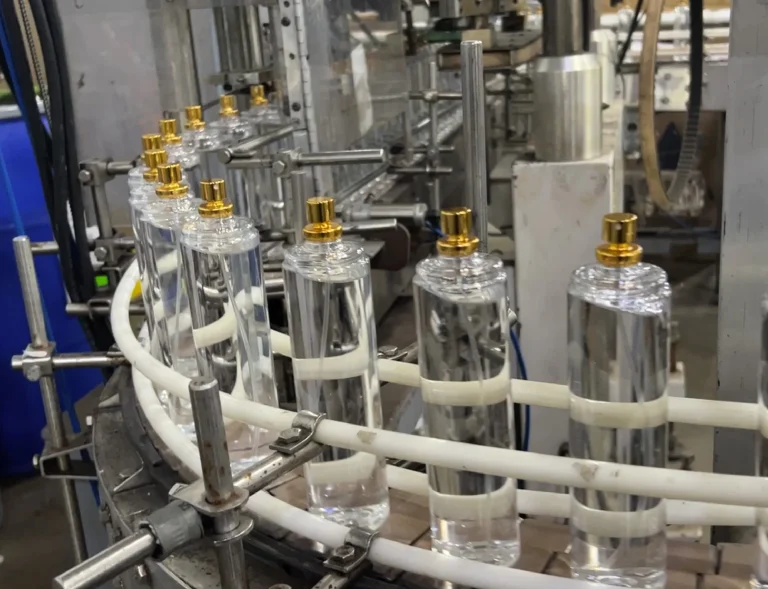
Translating lab-scale concepts into commercial-scale manufacturing remains a primary challenge for emerging brands. Formulations containing delicate active delivery systems or freeze-dried components often degrade under high-shear industrial mixing equipment during pilot or mass production runs.
Commercial success requires rigorous scale-up testing, robust stability trials, and process optimization. True product innovation relies on bridging the gap between benchtop formulation and large-scale manufacturing to ensure shelf stability across major retail channels and e-commerce platforms.
Conversation
0 Comments