
C-Beauty Wins International Consumers with Cultural Heritage and Advanced R&D
Driven by viral social media momentum, traditional aesthetics, and advanced domestic manufacturing, Chinese beauty brands are expanding their global footprint.
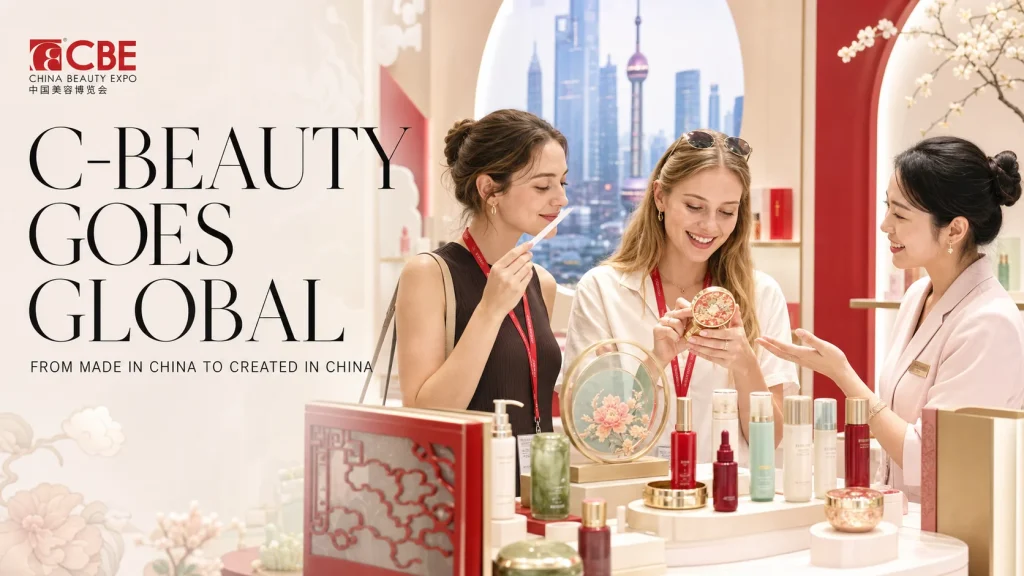
From TikTok to Xiaohongshu, a popular Chinese lifestyle and shopping platform, a growing number of international creators and beauty enthusiasts are sharing their experiences discovering C-beauty, the industry shorthand for domestic Chinese beauty brands.
In one viral video, beauty influencer Mikayla Nogueira highlighted products from youth-oriented makeup brand Flower Knows, calling it "one of the craziest makeup brands I’ve ever seen" before praising its application and declaring she was "obsessed."
On Xiaohongshu, French creator Sarah shared a Shanghai haul video featuring lotions, perfumes, eyeshadow palettes, lip glosses, and face masks from Chinese labels. "I always knew Chinese products were good, but buying them in person made me realize just how incredible the quality is," she said, noting that she planned to return to China to restock.
For many international buyers, the primary appeal of Chinese beauty brands lies in their deliberate integration of traditional cultural elements and formulation heritage. Thais Teixeira Mendes, a 28-year-old Brazilian master’s student at Shanghai Jiao Tong University, regularly attends beauty expos in Shanghai to evaluate domestic brands.
"I could see, touch, smell, and try various products," Mendes said. "Many ingredients actually have been used traditionally for hundreds of years and are embedded in Chinese culture."
Traditional botanical ingredients such as ginseng, dong quai (Chinese angelica), and green tea—long documented in historical medical texts—are increasingly featured in modern formulations. Representatives from Chinese skincare brand Chando note that incorporating these ingredients reflects a holistic philosophy focused on gentle, natural skin care.
Mendes noted that after testing Chinese cosmetics several years ago, she found their performance matched established global prestige brands, leading her to incorporate C-beauty into half of her daily makeup routine.
This trend extends to brick-and-mortar retail in major cities. International tourists and expatriates are visiting physical boutiques in Shanghai for brands like Florasis, known for intricate makeup palettes and lipsticks featuring traditional relief carving and heritage aesthetics.
Gabby Chen, president of global expansion at Florasis, observed that overseas consumers increasingly treat Chinese beauty products as cultural keepsakes. "They shop not just for function, but to learn about design inspiration and cultural stories," Chen said, adding that global perception is shifting from "Made in China" to "Created in China."
Behind this consumer engagement is a broader push for international growth, as C-Beauty’s global expansion takes center stage across key overseas markets. Shanghai-based Chando Group has prioritized technology-backed skincare and now operates in 15 countries and regions. Zhang Yinggui, general manager of the group’s overseas business division, attributed its international growth to proprietary research alongside Eastern branding principles.
This export strategy is supported by an expanding domestic manufacturing base. Data from the Hurun Research Institute shows that half of China's top-ranked beauty brands were founded after 2015, with Shanghai hosting 17 of these leading firms.
In Shanghai’s Fengxian district, the Oriental Beauty Valley industrial hub has transformed into a high-tech cosmetics manufacturing cluster. In 2025, the zone produced its first three domestic beauty enterprises with annual sales exceeding 5 billion yuan ($690 million).
Beyond brand growth, the district is upgrading its production infrastructure. Flexible magnetic levitation assembly lines allow single production tracks to switch seamlessly between eyeliner and cushion compact manufacturing, while AI-powered automated workshops are enabling fully automated "lights-out" operations.
This flexible manufacturing model allows the region to serve high-volume domestic brand orders while simultaneously fulfilling small-batch, high-end contract manufacturing contracts for major European and U.S. beauty conglomerates. As global perception moves beyond contract manufacturing, Chinese beauty brands are building international recognition through original R&D, design, and cultural positioning.

Conversation
0 Comments