

China Beauty Shakeout Escalates as Brands Pivot to Profitability
As imported brands lose market share and retail formats pivot online, cosmetics companies in China are replacing expansion with disciplined profitability.
Archive
As imported brands lose market share and retail formats pivot online, cosmetics companies in China are replacing expansion with disciplined profitability.

Japanese beauty device maker Ya-man returned to profitability in H1 2026, driven by overseas expansion and a direct-to-consumer pivot in China.

Chinese herbal skincare brand Inoherb reappointed founder Feng Shuai as general manager amid executive turnover and declining e-commerce revenue.

Chinese beauty e-commerce operator Lily & Beauty turned a profit in H1 2026, relying on aggressive cost cuts and overseas brand distribution to offset declines.
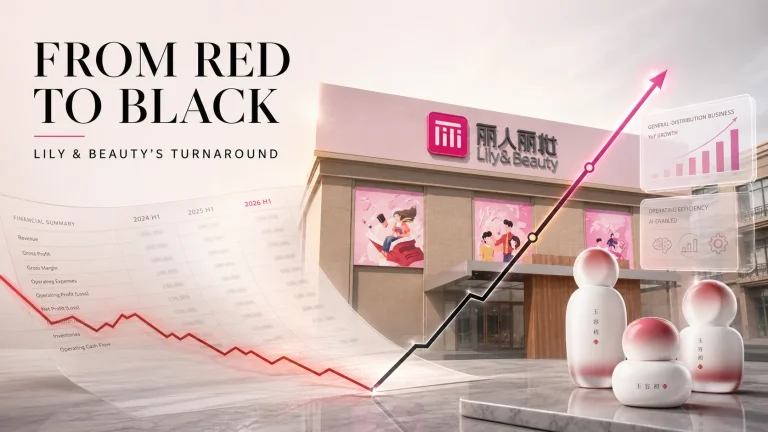
Chinese beauty e-commerce partner Lily & Beauty swung to a net profit of 22.52 million yuan in H1 2026, led by strong growth in master distribution.
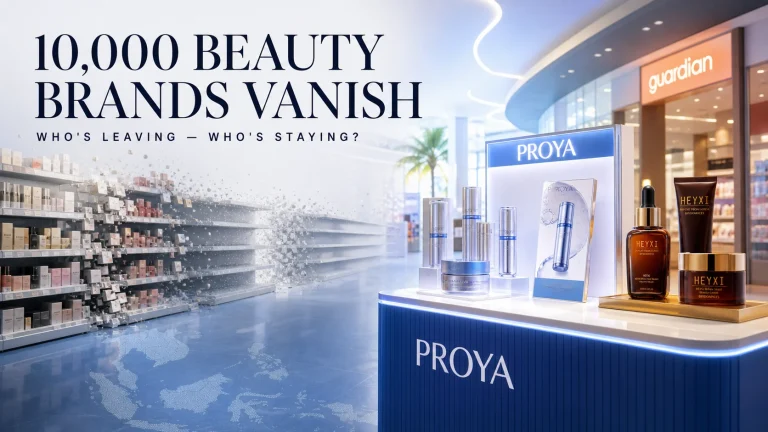
Nearly 10,000 beauty brands exited Shopee in Southeast Asia over one year as tighter compliance and rising ad costs push companies toward localized retail.

The 3rd China Cosmetics Go-Global Conference opens in Shanghai on Aug. 21, covering localization, supply chains and omnichannel growth.
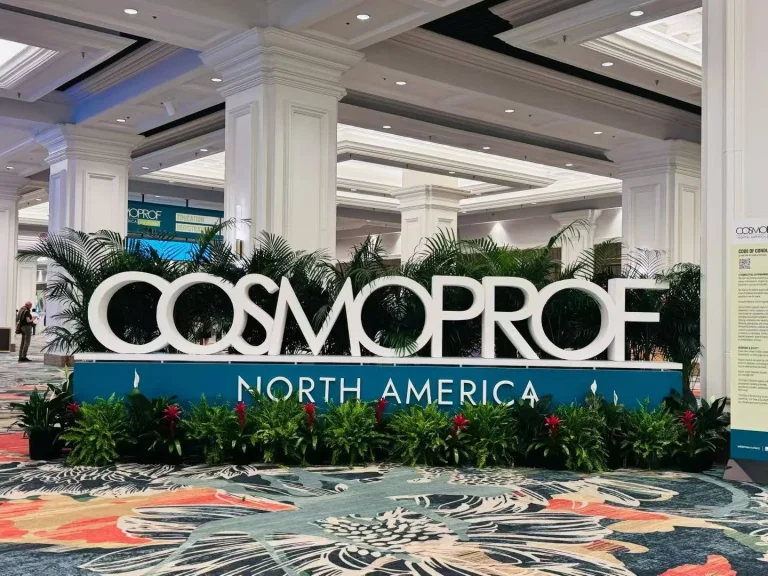
JD.com's cross-border unit pitched international beauty brands at Cosmoprof North America, offering direct access to Chinese consumers.

U.S. beauty sales gained across mass and prestige in H1 2026, while China’s cosmetics retail sales rose 6.3% amid strong livestream and premium demand.