Nearly 10,000 Beauty Brands Exit Southeast Asia as E-Commerce Competition Shifts
Nearly 10,000 beauty brands exited Shopee in Southeast Asia over one year as tighter compliance and rising ad costs push companies toward localized retail.

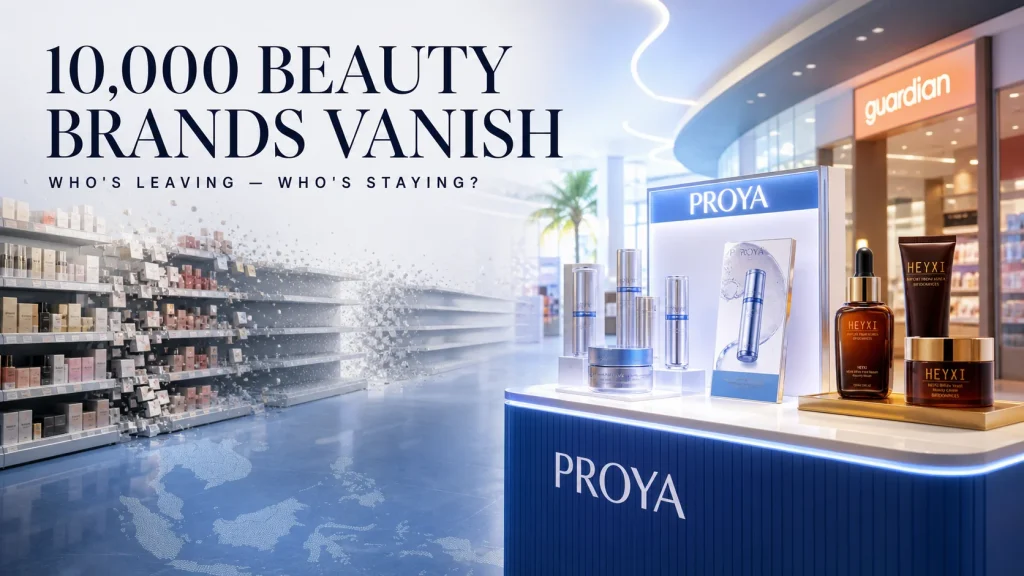
Southeast Asia has served as the primary overseas market for Chinese beauty brands seeking international growth. Market intelligence firm UserTalk Research Center estimates that Southeast Asia's beauty and personal care market will reach between $31 billion and $36 billion by 2030, expanding at a compound annual growth rate (CAGR) of 6.1% to 8.5%.
Beneath this rapid growth, however, the region is undergoing a severe market consolidation. Data from e-commerce analytics firm Moojing CMI tracking Shopee—one of the region's top online marketplaces—reveals that between April 2025 and March 2026, the number of active beauty brands across Indonesia, Thailand, and Vietnam dropped from 19,991 to 10,476. The loss of nearly 10,000 brands represents a 47.6% decline in active merchants, demonstrating that low-price cross-border listing strategies are no longer sustainable as digital ad costs rise.
To address these market shifts, trade publication China Cosmetics will host the 3rd China Cosmetics Export Summit (Southeast Asia Special Edition) on August 21 at the Pullman Shanghai South. The event will convene executives across platforms, retail chains, beauty brands, and supply chain providers to analyze operational strategies for the market.
Logistics and Compliance: The Hard Threshold for Expansion
Regulatory compliance has emerged as the first critical barrier to market entry across Southeast Asia. Since early 2026, member states of the Association of Southeast Asian Nations (ASEAN) have accelerated regulatory updates. In May, the Philippines implemented detailed revisions to the ASEAN Cosmetic Directive (ACD), establishing stricter guidelines on restricted ingredients and market non-compliance penalties. Meanwhile, Thailand's Food and Drug Administration introduced temporary supply chain flexibilities while maintaining rigorous oversight on product formula modifications.
Concurrently, major online marketplaces in the region—including Shopee, TikTok Shop, and Lazada—have updated category rules for cosmetics. Platforms now require sellers to upload valid national cosmetic notification or registration numbers for each operating market. Unregistered products face immediate delisting, with recurring infractions leading to store suspensions. These policies have effectively closed the regulatory loopholes previously relied upon by cross-border sellers who listed products before securing permits.
At the upcoming summit, Joseph Lv, Senior Merchant Acquisition Manager for FMCG at Shopee, will present platform data analyzing consumer demand trends in Southeast Asian beauty and personal care, outlining merchant support programs and livestream commerce tactics aimed at driving sustainable merchant growth.
As regulatory frameworks tighten, localized order fulfillment has become essential. Direct shipping from cross-border warehouses often suffers from extended transit times and struggles to meet local compliance checks, shelf-life monitoring, and reverse logistics requirements.
Addressing these operational hurdles, Yan Kezheng, Cloud Warehouse Development Director at J&T Express, will present solutions on integrated warehousing, final-mile delivery, and risk management tailored to Southeast Asian cross-border sellers.
Deepening Offline Footprints Across Local Retail
Physical retail channels remain the dominant destination for beauty purchasing across Southeast Asia. Over the past two years, brand operators have shifted from testing markets solely via e-commerce to forming long-term retail partnerships with established regional chains.
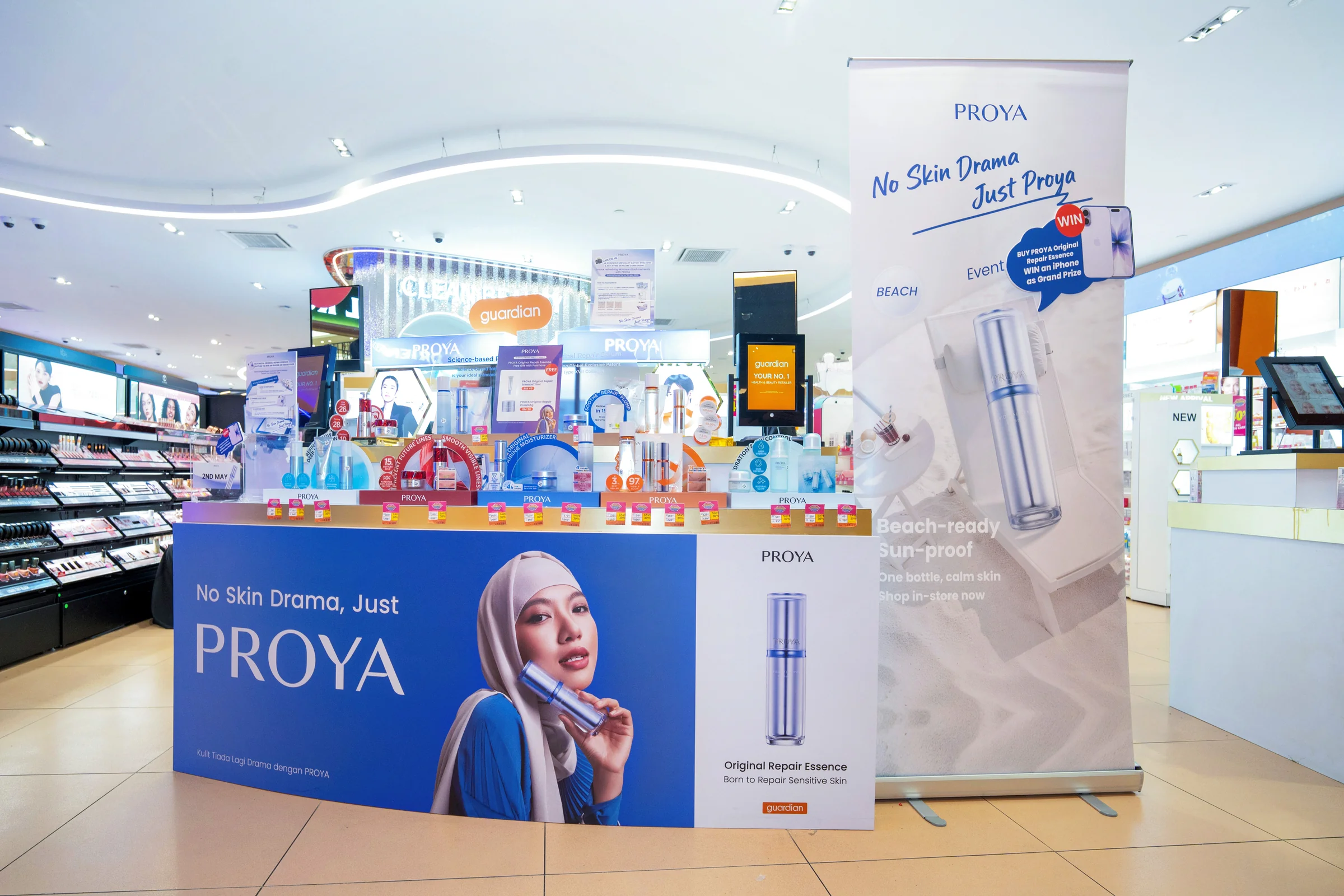
In May 2026, Chinese skincare brand Proya established a partnership with Malaysian health and beauty retailer Guardian, setting a single-day sales record for Chinese beauty brands at Guardian's regional flagship store during the early May holiday period.
In January 2026, celebrity skincare brand Fan Beauty Diary launched across more than 100 core Watsons stores in Singapore, generating over 12 million RMB ($1.68 million) in combined online and offline sales during its first three days. The brand expanded into Thailand's beauty chain Beautrium at its Siam Square flagship and CentralWorld doors in March, with plans for additional rollouts, while also securing distribution across nearly 100 Watsons doors in Malaysia.
Similarly, Joys Group brands Judydoll and Joocyee have established three direct-to-consumer flagship stores in Singapore alongside distribution in over 50 local retail locations. Judydoll has expanded into more than 400 retail doors in Vietnam, ranking among Guardian's top three color cosmetics brands in the market. Joys Group reported total revenue exceeding 4.3 billion RMB in fiscal year 2025, with overseas retail sales topping 600 million RMB—a tenfold increase over three years, with three of its top five international markets located in Southeast Asia.
However, operating physical retail across Southeast Asia requires adapting to distinct market environments in each country.
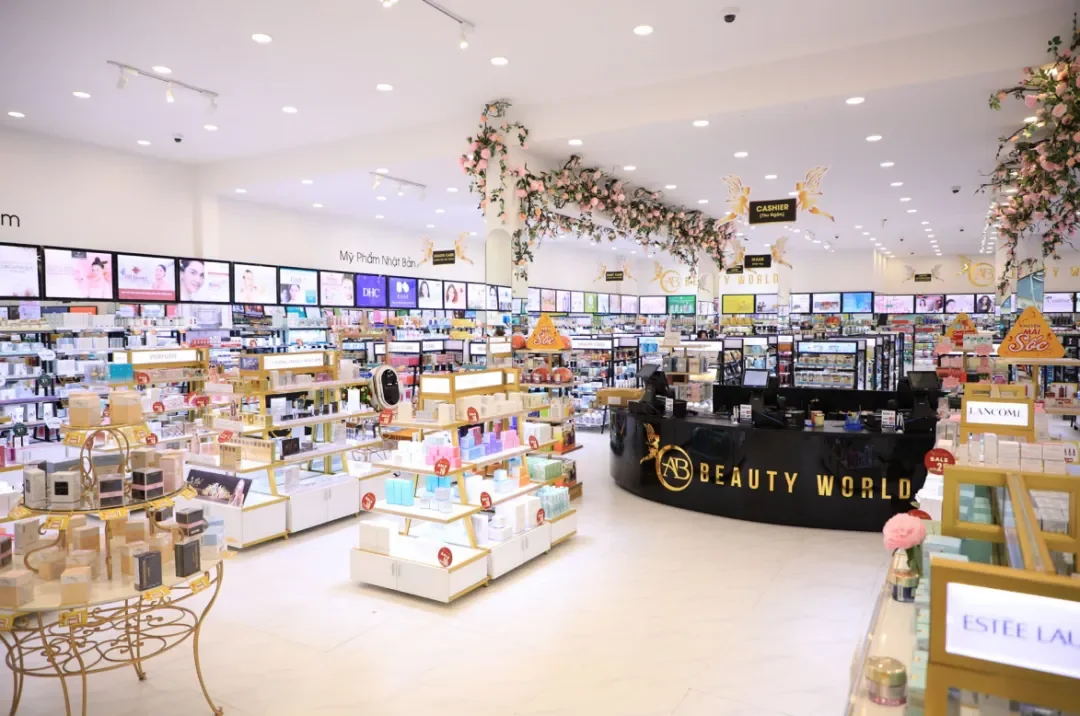
To highlight operational requirements, Peng Lu, a Malaysian retail partner and distributor, will outline store entry regulations and product selection criteria for Malaysia. Bui Vu Minh Nhat, President of Vietnam's AB Beauty World cosmetics chain, will share operational strategies and sourcing requirements from a local retailer's perspective.
Climate factors also shape regional product demand. The hot and humid weather across Southeast Asia drives demand for long-wear formulations, waterproof eye makeup, post-sun care, and oil-control skincare. High-repeat categories like mascara and cosmetic sponges offer manageable return rates and simpler compliance, providing accessible entry points for mid-sized beauty brands. Zhou Qianyi, CEO of Hangzhou Fanxiang Trading and an established seller in Thailand, will present on localized category management.
AI Tools and Creator Marketing Boost Operational Efficiency
Facing elevated customer acquisition costs, beauty operators are increasingly deploying artificial intelligence tools and creator affiliate networks to optimize operations.
AI tools are reshaping cross-border workflow efficiency, supporting product trend forecasting, automated multi-language ad creative, bulk video generation, and programmatic media buying, which reduces overall localization overhead.
Tu Yuhao, founder of Vietnamese multi-channel network (MCN) Qiyue Media, will present practical applications of AI across market analysis, localized content production, customer service automation, and creator matching based on campaigns managed for Chinese cosmetics brands entering Vietnam.
As creator affiliate strategies scale globally—mirroring community engagement tactics seen in Western beauty initiatives such as Shelby Ann Bell’s Bestie Club—influencer-led commerce has become essential for brand launches in markets like Indonesia. Liu Bo, Operations Director at creator agency iBooming, will detail targeted marketing models for Indonesian social commerce platforms.
Moving from Cross-Border Exporting to Local Brand Building
For many Southeast Asian consumers, incoming international brands initially lack distinct brand awareness. Establishing long-term brand equity requires moving beyond transactional sales.
Cai Yuli, Head of Overseas Operations at Proya, emphasizes that beauty exporters must move past competing purely on price by demonstrating research capability and brand narrative. At the summit, Cai will present Proya's operational framework for international brand positioning.
A more advanced entry path involves launching as a fully localized brand. Indonesian cosmetics brand HEYXI, founded by entrepreneur He Tao, operates with localized management teams, domestic supply chains, and native retail distribution. HEYXI generated over 300 million RMB ($42 million) in sales within its first year. At the event, founder He Tao will review the operational roadmap for building a localized consumer brand in Indonesia.

As Southeast Asia transitions from rapid early adoption to regulatory oversight, market strategy is shifting from online product distribution to deep offline retail integration and localized brand building.




Conversation
0 Comments