
Sephora Accelerate Selection Omora Beauty Lab Targets Acne-Prone Skin
Omora Beauty Lab founder Jenna Morales Ledbetter joins Sephora Accelerate with a prestige complexion line designed for acne-prone, sensitive skin.
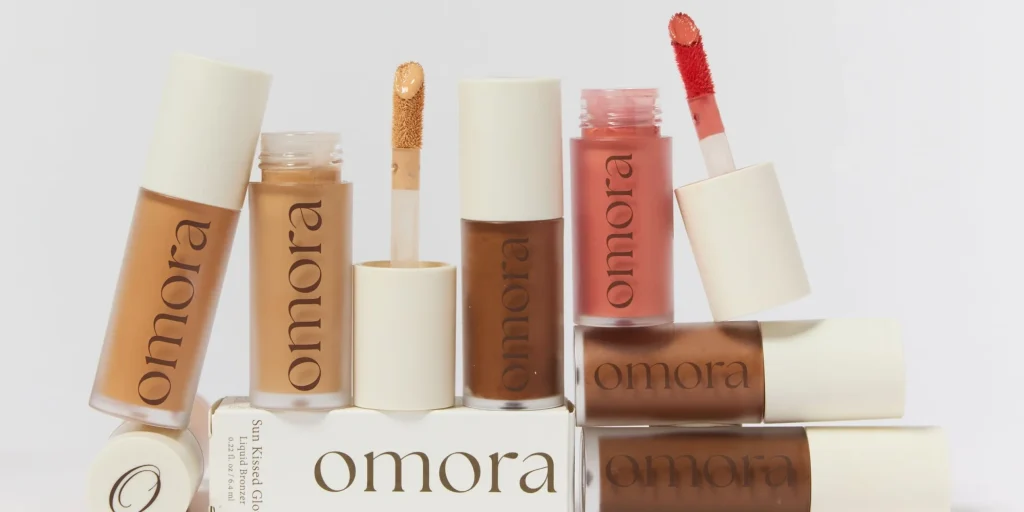
“I will probably never post this. I’m shaking. I think it’s a long shot, but fingers crossed,” Jenna Morales Ledbetter, founder of Omora Beauty Lab, said in a video recorded before learning whether she’d be selected for the 2026 Sephora Accelerate program. “I just wanted to remember how I was feeling.” In her subsequent video, her hands were still shaking, but for a different reason: she had just been named one of 12 founders joining the retailer's incubator cohort.
The selection marked a full-circle moment for the 26-year-old founder, who conceived Omora—a portmanteau of her mother’s maiden name, Morales, and amor, the Spanish word for love—after an unsuccessful shopping trip to Sephora. When her go-to concealer was out of stock, she spent nearly an hour cross-referencing ingredient lists on databases like AcneClinicNYC and INCIDecoder. None of the available formulas met her strict criteria for acne-prone, sensitive skin. “I wished I could walk into a store and find an entire line that I didn’t need to Google to find the ingredients and know it would work for my skin,” she recalled.
Ledbetter held a bachelor’s degree in psychology from Pitzer College and a master’s in public mental health from the Johns Hopkins Bloomberg School of Public Health, working primarily in health research before entering the beauty space. Experiencing adult acne firsthand highlighted how skin conditions affect mental health, inspiring her to develop formulations that support skin health and user confidence.
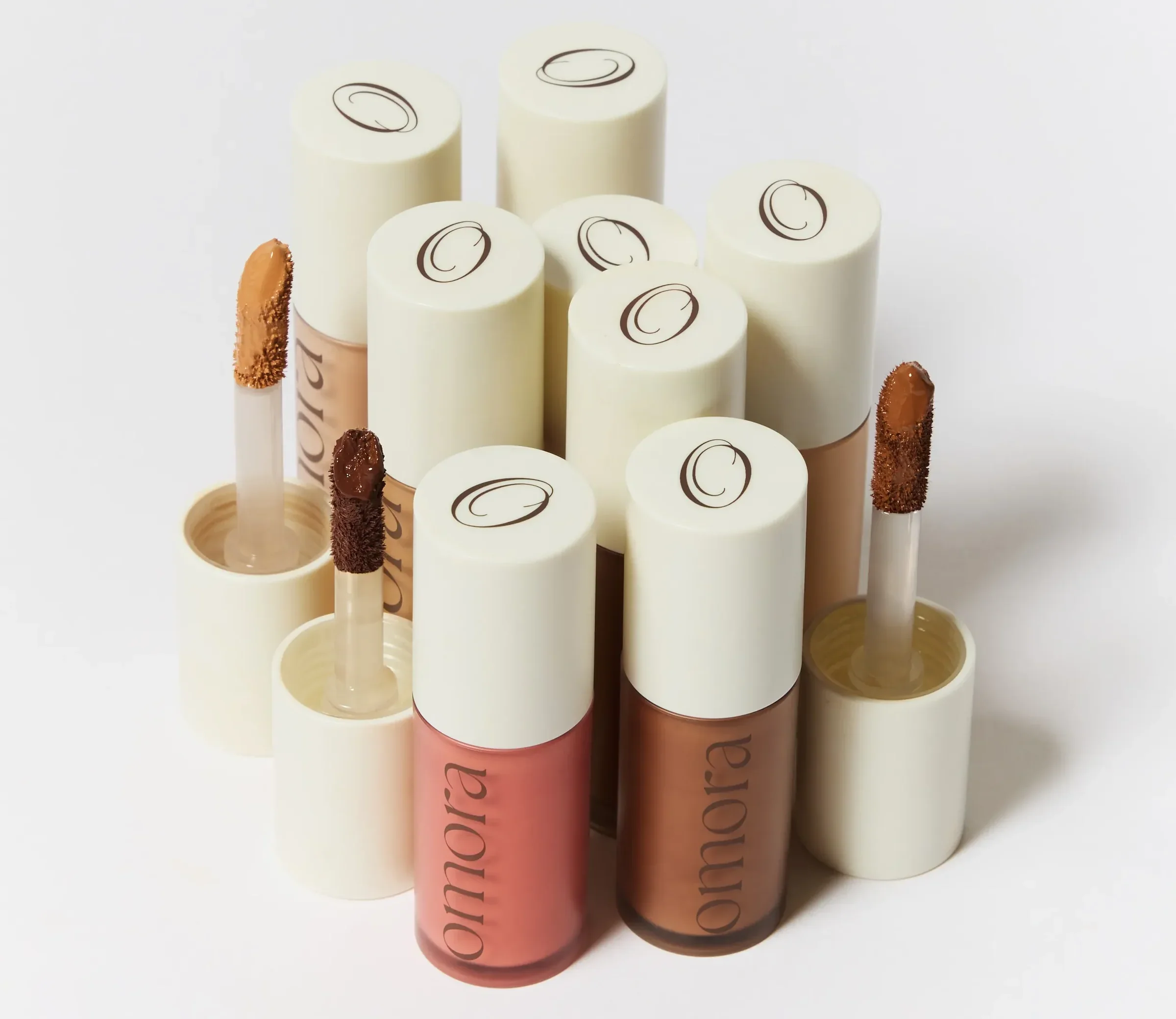
Omora Beauty Lab launched direct-to-consumer in May with a tightly focused initial assortment: seven shades of Soft Cover Concealer ($34), three shades of Sun Kissed Glow Liquid Bronzer ($30), and one shade of Rose Flush Lip and Cheek Tint ($30), which quickly became the brand’s top seller.
Deciding against pursuing a Ph.D. in health policy, Ledbetter pivoted fully into building Omora as a clean, complexion-focused makeup line specifically designed for compromised skin barriers.
“I wanted to bring a level of prestige beauty to acne-prone, sensitive skin sufferers who struggle to find that,” Ledbetter said, noting that packaging aesthetic was essential so consumers could display products proudly alongside prestige items rather than hiding clinical dermatology tubes. The market opportunity for clinical and solution-focused cosmetics comes as overall U.S. beauty sales rise 7% on strong fragrance and skincare demand. According to the American Academy of Dermatology Association, acne affects up to 50 million Americans annually, generating over $5.3 billion in prescription and over-the-counter sales, according to Grand View Research. Meanwhile, Aveeno’s State of Skin Sensitivity Report revealed that 71% of adults report experiencing skin sensitivity.
Though often viewed as an adolescent concern, Ledbetter’s severe flare-up began during college. “It blew up seemingly overnight. I had red cystic acne. My entire face was covered,” she said, noting the psychological toll adult acne inflicts on young adults. Approaching the issue as a researcher, she thoroughly reviewed dermatology studies, ingredient databases, and medical literature on inflammation and barrier integrity. Her key realization was that traditional acne regimens often over-strip skin, whereas damaged skin barriers require gentle, supportive care.
“My dermatologist kept prescribing stronger and stronger active ingredients. My skin hurt every single day—not because of the acne itself, but because it was so dry and inflamed,” she said. After modifying her diet, exercise routine, and household products, she shifted to barrier-repair skincare free of fragrance, essential oils, and pore-clogging ingredients. While finding skin care became manageable, finding compatible makeup remained a challenge, prompting her to formulate her own clean alternatives.

Bringing the brand to market presented manufacturing obstacles. Initial contract labs hesitated to meet her strict formula parameters or demanded minimum order quantities of 10,000 units per shade. “When manufacturers asked if I was a cosmetic chemist, I’d say, ‘No, I just had really bad acne and a lot of time to do research,’” Ledbetter recalled. She eventually partnered with a female-owned manufacturer to co-develop formulas pairing high-performance makeup with barrier-building ingredients like ceramides, squalane, and green tea extract, while excluding potential triggers.
With sales growing DTC, Ledbetter plans to keep future product expansions anchored strictly in complexion. “I wouldn’t launch a mascara,” she noted, maintaining focus on skin-adjacent cosmetic categories.
Although built around adult acne challenges, Omora’s consumer base spans multiple age demographics, including older users seeking gentle, non-irritating formulas. To scale the business, Ledbetter relocated to California to establish industry connections while self-funding the company through a small friends-and-family seed round and maintaining secondary employment in coaching and consulting. Much like how Vitality Institute reached 20 million VI Peel treatments without outside capital, Ledbetter maintains strict fiscal control over brand expansion.
Ledbetter prioritized critical foundational expenses, including retaining an FDA regulatory consultant at $400 per hour to audit packaging labels. Compliance required adjustments to typography sizing, product description placement, and changing the brand logo layout from vertical to horizontal orientation on primary containers.
Budget was also allocated to clinical dermatologist testing to build immediate consumer trust. On marketing, Ledbetter began sharing behind-the-scenes brand development on social media six months prior to launch to foster transparency. She continues testing grassroots initiatives and pop-ups while taking a cautious approach to influencer spending.
Rather than chasing rapid scaling, Ledbetter draws strategic operational inspiration from bootstrapped founders like Kitsch CEO Cassandra Morales Thurswell. Her focus remains disciplined brand-building over premature expansion.
Through Sephora Accelerate, Ledbetter aims to learn retail readiness and build peer connections across the industry. Established in 2016, the incubator program has launched brands including Eadem, Kulfi, Topicals, Bounce Curl, and Oliviaumma. Cohort participants receive operational mentorship, attend the Sephora Impact Summit, and become eligible for the $100,000 Sephora Beauty Grant.
Conversation
0 Comments