Fashion Fair Exits Sephora to Focus on Core Demographic
After leaving Sephora, historic beauty brand Fashion Fair is targeting consumers over 40 with tailored retail channels and skincare formulations.

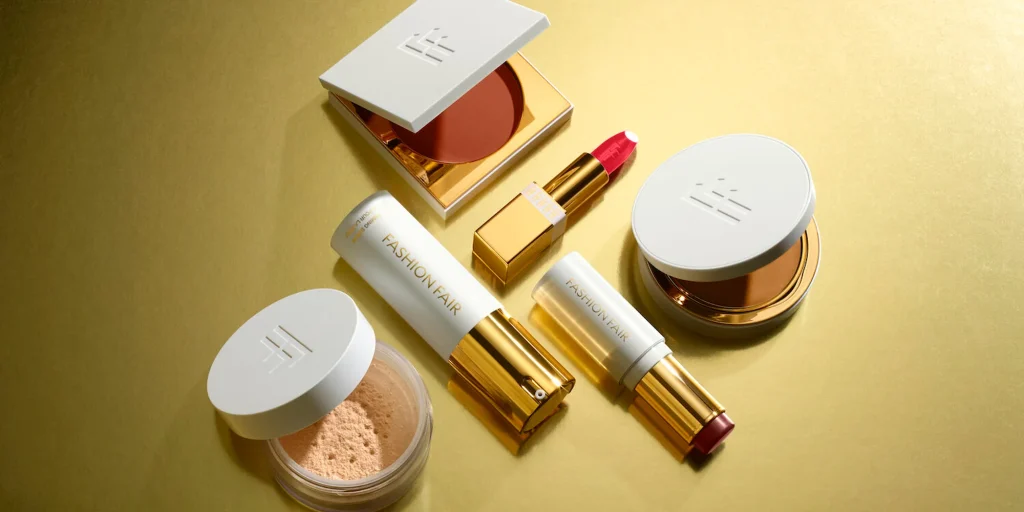
Not every classic brand comeback yields immediate, lasting triumph in specialty retail.
When former Johnson Publishing executives Desirée Rogers and Cheryl Mayberry McKissack acquired Fashion Fair out of bankruptcy in 2019, they set out to revive one of the most culturally significant names in American beauty history. The revamped line launched at Sephora in 2021 with reformulated products, expanding across 235 doors in the United States and Canada.
The rollout exposed the historic brand to a new generation nearly 50 years after its founding by Eunice W. Johnson—wife of Johnson Publishing founder John H. Johnson and creator of the iconic Ebony Fashion Fair—who built the brand to serve Black women ignored by mainstream cosmetics. However, Fashion Fair returned to a radically altered beauty landscape.
As Allure noted during the brand's relaunch, the market had entered a "post-Fenty Beauty era," where shade inclusivity was increasingly expected across retail shelves. Younger Sephora shoppers had wide-ranging choices and lacked the deep affinity for Fashion Fair that their mothers and grandmothers carried. Winning over Gen Z and younger millennials proved an uphill battle.
Fashion Fair's retail debut also aligned with a wave of retail commitments following the 2020 murder of George Floyd. Major retailers pledged shelf space to Black-owned businesses, with Sephora signing the Fifteen Percent Pledge as capital flowed into Black-led beauty brands.
In the years since, retail momentum for many of these brands has cooled. Fashion Fair has exited Sephora, joining a line of Black-led beauty brands that have stepped back from or exited the specialty retailer, including Ami Colé, Hyper Skin, Adwoa Beauty, KNC Beauty, Grace Eleyae, and Sunday II Sunday. Ami Colé and Adwoa Beauty have since closed, Hyper Skin paused operations, and KNC Beauty has signaled plans to return, while Grace Eleyae and Sunday II Sunday continue operating.
Fashion Fair's departure from Sephora led leadership to redefine what sustainable success looks like. Rather than chasing Gen Z trends or pushing for rapid $100 million scale, the brand is refocusing on its core audience: Black and brown consumers aged 40 and older. Its strategy now hinges on deliberate growth, targeted events, and retail partners deeply connected to its primary demographic.
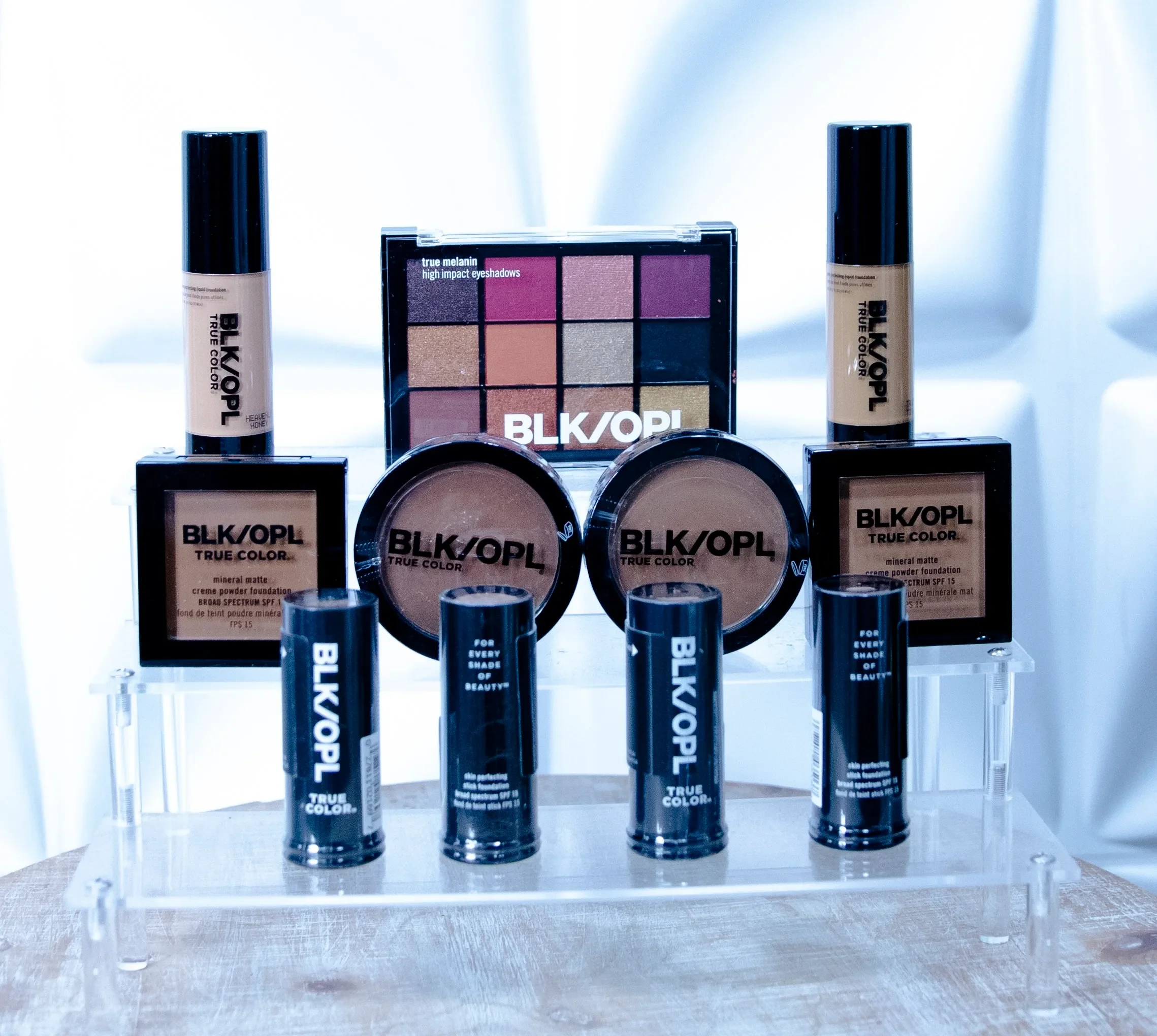
Rogers—who also co-owns mass-market brand Black Opal with Mayberry McKissack after buying it from Mana Products in 2019—discussed the decision to leave Sephora, the realities facing Black-led brands in specialty retail, and how she is reframing distribution and growth targets for Fashion Fair.
Why did Fashion Fair leave Sephora?
Fashion Fair has always been focused on Black and brown skin. That’s our DNA. We are not a general market brand. Our collection is perfectly suited for every skin tone, but we think of ourselves as the experts in color matching for Black and brown skin. If you had to say, “What is Fashion Fair and what’s their niche?” our niche is 40-plus Black and brown consumers.
We found that there was a bit of a mismatch, and we didn’t find our customer at Sephora. So, we jointly made a decision to move out of Sephora.
Our customers are used to getting a certain amount of one-on-one service and consultation. They want a look that’s easy to duplicate at home, but they’re not going to be the trendiest makeup people in the universe. They know what they want to look like. They know they want a natural look.
We found that out together as we explored, “Who really is the Fashion Fair woman? What is she looking for? What does she want?” She’s typically 40-plus, working or maybe volunteering, has children and is very busy. She doesn’t want a 20-step makeup routine. She’s not looking at the latest trends, other than vegan, cruelty-free, natural ingredients, dermatologist-approved. She wants us to be part of her community.
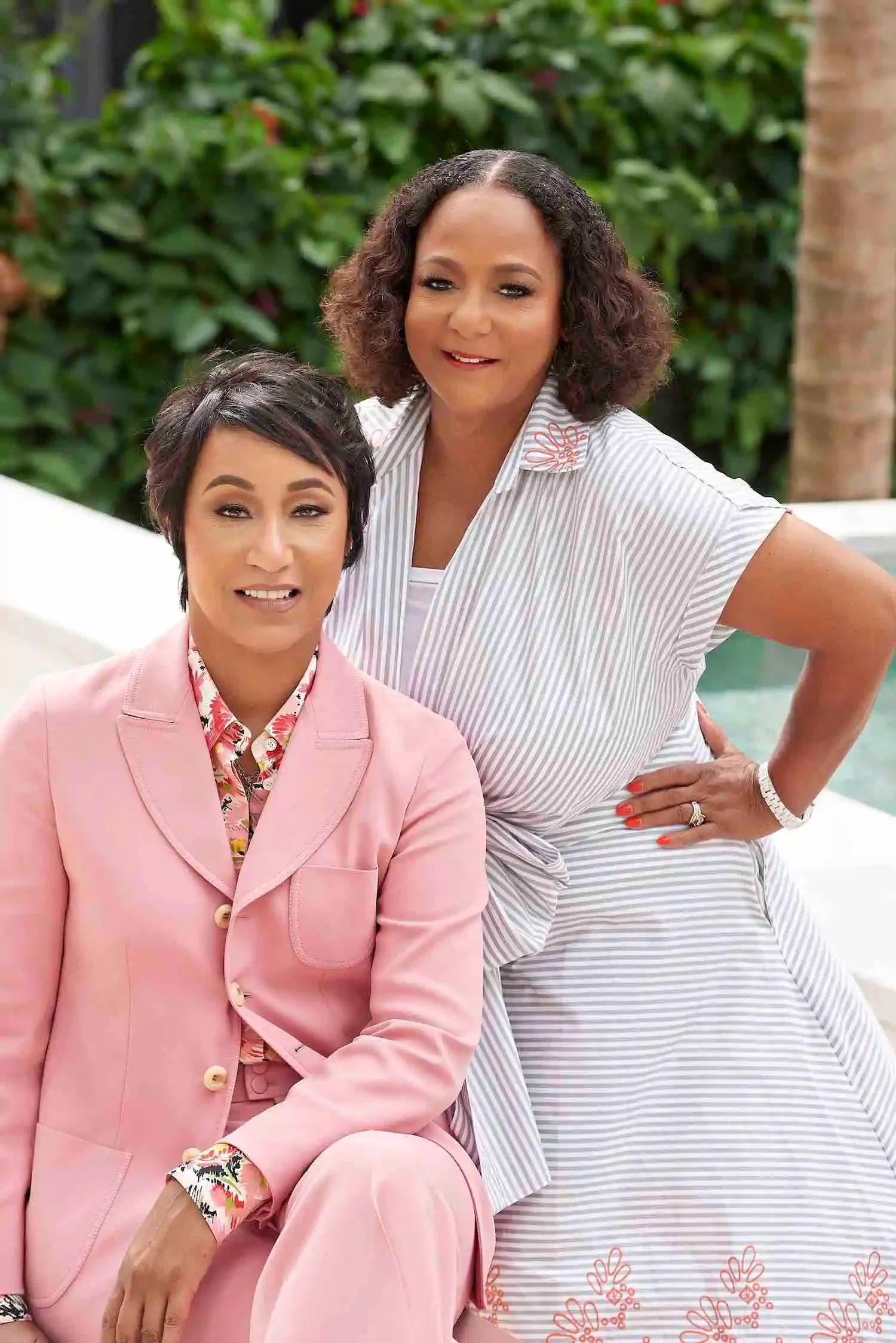
When Fashion Fair relaunched at Sephora in 2021, the brand had strong awareness among older consumers, but Sephora’s younger customers didn’t necessarily know its history. How did you think about reaching that younger customer at the time?
We’ve learned a lot. I’m not going to sit here and pretend that we made a perfect decision because we didn’t. At the same time, when you go in, you don’t get all the demographic information of what’s going on with that retailer, but I think over the time that we’ve been there, it got even younger. That didn’t help us. We thought, “Won’t it be great to have this younger audience coupled with our audience?”
I am perfectly content with Fashion Fair doing 40-plus. I don’t need to try to get the 20-year-olds. That doesn’t mean I’m pushing them away. I just finished matching a 25-year-old and her mother who’s 50-something. I love that, but we need to stick to our group. There are billions of dollars in the market of women in that age group. I don’t need to stretch myself.
The market is so competitive and tough. You really have to pick and conquer a lane and do it really well.
How is the focus on the 40-plus consumer influencing product development?
We’re working on a complete skincare line right now designed specifically for consumers 40 and older, rather than 20-year-olds. The ingredients required for skin at 40 are fundamentally different than at 20.
While 20-year-old consumers often look for blurring effects, older skin needs formulations that won't accentuate fine lines and wrinkles. In deeper skin tones, hyperpigmentation and natural discoloration frequently develop around the cheeks, mouth, and under-eye areas over time—concerns that rarely exist at 20, but become prevalent around 40.
Ultimately, we learned a key lesson and are fully embracing our 40-plus core demographic. Back in 2021, I was reluctant to narrow our focus, taking the position that we were for all Black and brown skin across every age group.
We also recognized that the brand didn't fully fit the store-level culture at mass beauty retailers. It isn't a trend-driven line with sparkly, high-glam shade palettes. Driving store-level momentum required an immense effort, and as a lean company, we had to be strategic about where we allocated capital.
Fashion Fair is still at Macy’s. Where else do you see it heading with distribution?
I’m evaluating retail distribution through a non-traditional lens. The conventional wisdom in beauty retail assumes that success requires a presence in Ulta or Sephora.
However, shopping behavior among Black women is highly fragmented, often centering on independent beauty supply stores. Our distribution strategy is focused on meeting our core consumer where she already shops.
Macy’s has historically held strong brand equity within the Black community. While it doesn't capture every shopper, it retains high trust, and customers actively seek out color matching at Macy's beauty counters.
We are evaluating next steps for expansion. Dillard’s previously represented a significant revenue channel for Fashion Fair and remains a strong candidate, particularly across the Southern market where customer demand is high and store footprints are larger. They also maintain a dedicated, service-oriented approach to beauty retail.
Our target consumers want personalized, high-touch consultation and shade matching. Scaling that experience requires non-traditional touchpoints, including activation at major national conferences that gather 3,000 to 5,000 Black women at a single event.
The market dynamics for Black and brown cosmetics consumers don't always align with standard retail benchmarks. Many consumers purchase non-Black-owned brands through legacy department stores, while specialty retail penetration represents a smaller share than industry assumptions suggest.
Our research shows concentrated populations of Black beauty consumers across 33 key U.S. metropolitan markets. We plan to double down in those 33 target markets, which may include strategic retail partnerships with high-volume regional beauty supply stores.
Rather than replicating a standard retail footprint, our physical distribution will strictly target regions with dense populations of our primary customer demographic.
How is Fashion Fair performing today compared to when you relaunched it?
When we launched at Sephora, initial purchase orders were high, but retail sell-in and sell-through require different strategies. Our lip products performed exceptionally well across a broad demographic, including white consumers, so building replacement volume for that business is a priority. Currently, Macy’s generates nearly equal overall volume with only a third of Sephora's door count.
We are focused on sustainable, long-term growth rather than rapid market expansion. It took time to refine this approach, but we are executing targeted growth strategies through non-traditional domestic and international contracts.
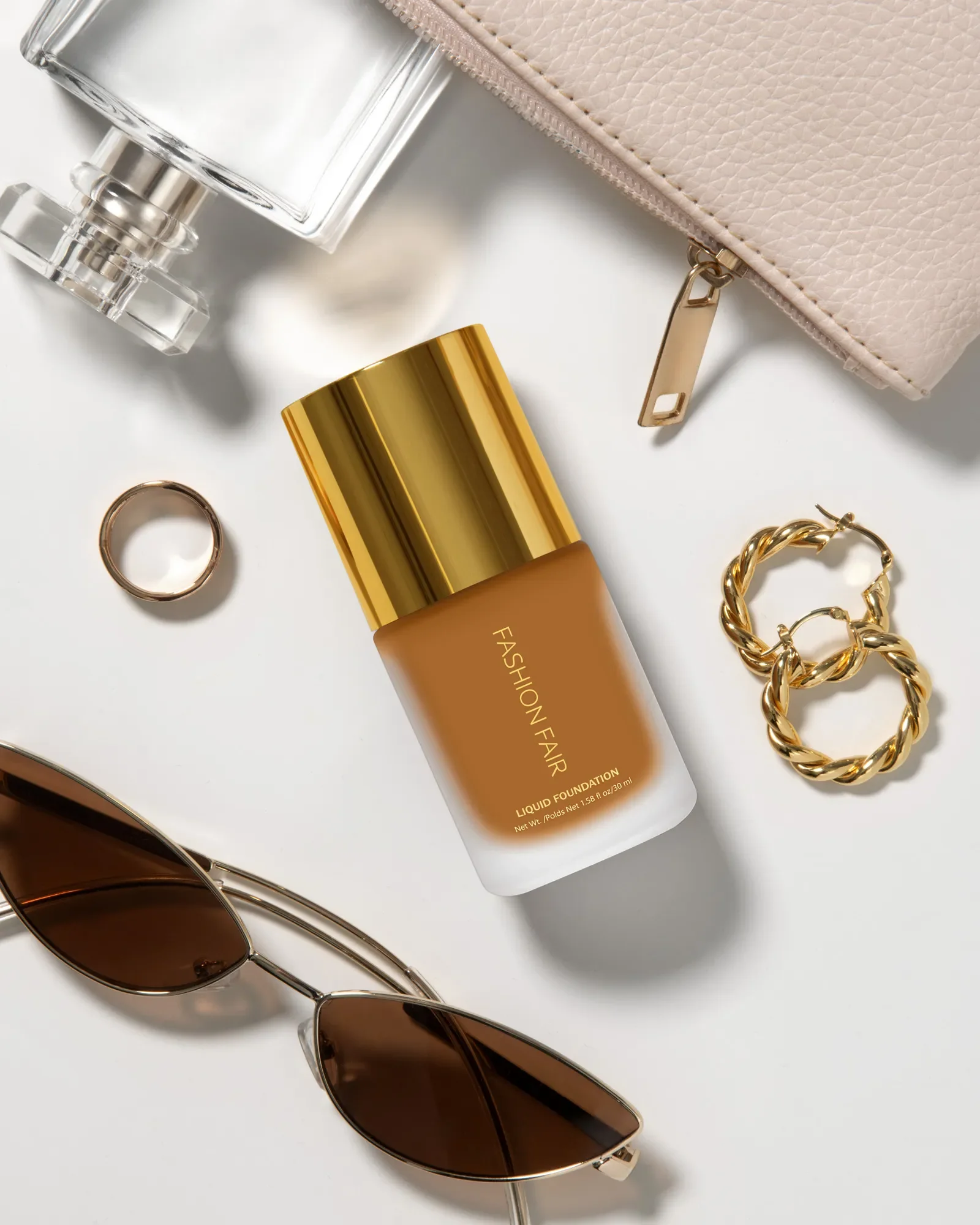
Fashion Fair’s current assortment spans foundations, powders, concealers, lip products, blushes, and serums, priced between $23 and $42 at Macy’s. Core bestsellers include the Crème to Powder Skin foundation, SkinFlex Stick, Iconic Lipstick, and Fabulous Serum.
We’ve seen a number of Black-owned beauty brands struggle or close in recent years, including Ami Colé. What did you make of Ami Colé’s closure given your experience?
Ami Colé generated strong early market enthusiasm before suddenly winding down, mirroring a broader trend of Black-owned beauty brands facing sales, restructuring, or closure. Building a sustainable business in this category requires a fundamentally different operating model. While a few brands have successfully crossed over into mainstream mass market volume, every brand founder must decide whether crossover appeal is central to their strategy.
Operating profitably within national beauty chains relies heavily on mainstream crossover volume. Without that broad consumer base, the retail economics become unsustainable. Identifying that dynamic dictates whether a brand pursues mass retail or an alternative path.
What about the funding challenges facing Black-led beauty brands?
Black-owned beauty businesses require patient, long-term growth capital rather than fast-scaling venture funding aimed at building a $100 million brand overnight. This perspective reflects wider market dynamics as beauty capital returns as investors shift focus to long-term innovation rather than top-line growth at any cost. A controlled, strategic pace is far more viable for long-term category health.
Building a financially viable, sustainable business that serves our target community takes priority over expanding into a mass-market conglomerate at the expense of brand positioning.
How are you thinking about Black Opal’s retail strategy?
Black Opal is available at Target, Walmart, CVS, J.C. Penney, and Ulta Beauty. Working with major mass-market retailers has shown that many are leaning into what the brand represents, revealing partnership opportunities that were not obvious five years ago.
Even after 2020, retail organizations are evaluating which brands fit their long-term strategy. Large retailers have structural ways to support smaller, independent brands, provided founders know how to navigate those relationships. Six years ago, many of those options were not even on the leadership team's radar.
When you talk to Black women today about what they want from a beauty brand, what do they tell you?
Consumers want simple, dependable beauty solutions they can easily replicate at home. They want formulas that care for their skin and address specific skin concerns.
They also want practical guidance for real-life looks rather than idealization. In retail field visits, many Black women still report difficulty finding exact foundation matches, often having to mix multiple shades together.
Additionally, many consumers feel retail store support remains inadequate, making it hard to find knowledgeable in-store beauty advisors they trust for personalized advice.
You said you’re comfortable with Fashion Fair not rapidly becoming a $100 million brand. What are your growth goals for it?
The company is taking a patient approach, targeting 5% to 7% annual growth. The priority is selecting retail partners that complement the brand's positioning and resonate with its target audience.
Investments are also directed at strengthening digital channels, including adding direct-to-consumer subscriptions and launching a dedicated loyalty program for professional makeup artists.
If you could rewind five years and make different decisions around the relaunch, what would those decisions have been and why?
The team would have launched with fewer retail partners. Satisfying the distinct operational demands of multiple major retailers places significant strain on a small company. A more effective strategy would have been focusing deeply on fewer retail relationships and expanding at a more deliberate pace.
Leadership would also have remained strictly focused on each brand's core strengths instead of reacting to broader market trends—and avoided trying to launch two beauty brands simultaneously during a pandemic.
Conversation
0 Comments