Vitality Institute Reaches 20 Million VI Peel Treatments Without Outside Capital
Vitality Institute CEO Marya Khalil-Otto reflects on reaching 20 million VI Peel treatments while remaining bootstrapped and profitable.

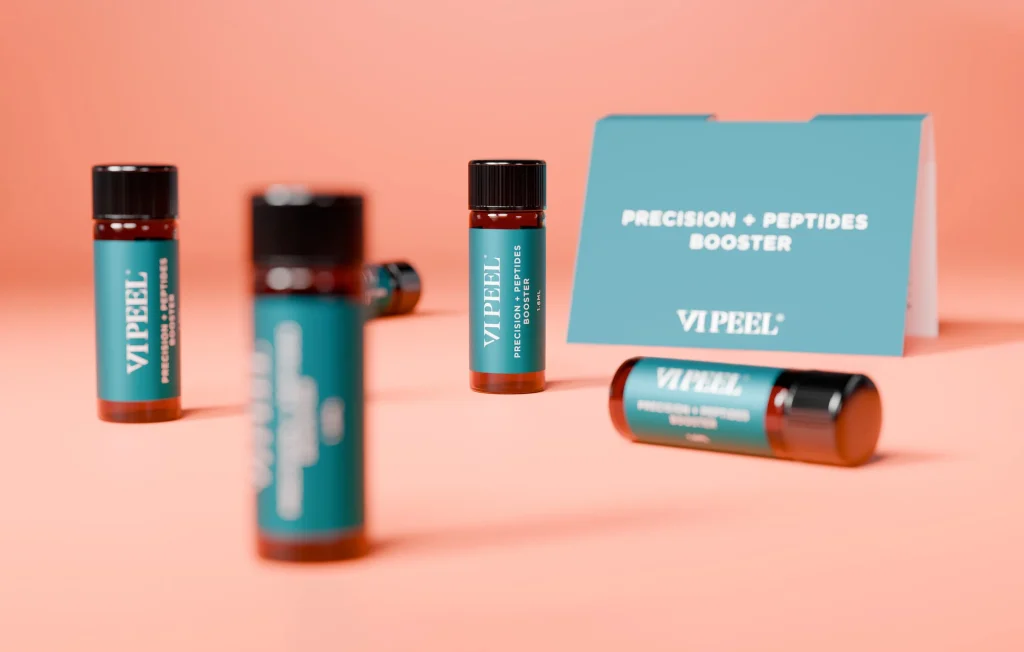
In an industry where aggressive institutional cash infusions and racing toward a billion-dollar exit have become de rigueur, Vitality Institute, creator of the professional skin-tone-inclusive VI Peel, is charting a radically different course. While other independent brands seek venture investment or launch crowdfunding rounds to support global expansion, Vitality Institute has grown entirely through self-funded cash flow.
Privately held and profitable without any outside capital, the professional skincare company is demonstrating that sustainable, long-term growth is a power move. Since the service’s launch, 20 million VI Peels have been performed worldwide and the treatment has been recognized as the No. 1 chemical peel in the country.
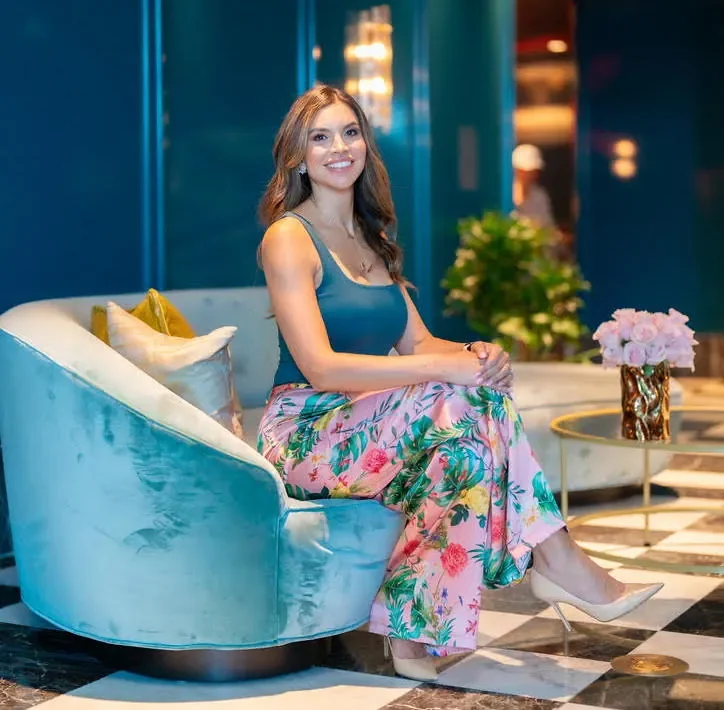
Under the leadership of Marya Khalil-Otto, who became CEO in 2013 following the death of her father, company founder Abdala Khalil, Vitality Institute has evolved from a boutique family operation into a global aesthetic force available in 35 countries. In North America, 8,000 beauty service providers administer VI Peels, usually charging about $500 for the treatment.
The company has around 100 employees and now offers six VI Peel formulations, as well as VI Derm, a six-product skincare range retailing from $44 to $130. As dermatologist-led skincare continues to gain momentum globally, its products are sold through medical aesthetics channels such as med-spas, dermatologists’ practices, and plastic surgeons’ offices as well as its own website, Amazon, and Dermstore, accounting for 12% of Vitality Institute’s revenue. Year over year, global peel unit sales have increased 10.7%, VI Derm revenue has jumped 12.0%, and the number of accounts carrying Vitality Institute’s clinical skincare has risen 14.2%.
In an industry interview, Beauty Independent spoke to Khalil-Otto about leading her family business into its next stage of growth, the importance of practitioner education, the impact of social media on her mental health, and her decision to steer clear of outside investment.
You’ve made major investments in education for the professionals administering VI Peel. What has that looked like?
If we can help practitioners become confident in the product and in delivering results, that’ll help us as a brand. We have an online academy. They can take courses and print certificates. Med-spa owners, plastic surgeons, and derms love this because the education of their team is the biggest struggle for them. They might be great at sales or treatment knowledge, but it’s imparting that on their whole staff while also dealing with turnover. Sometimes they educate and invest in a practitioner and then they leave. It happens.
On top of the online training, we’ve been doing two-day events called Elevate. They’re completely free to the practitioner. We put the value at $1,500. It’s dedicated training not only on our products but also on combining our products with other treatments that they already do and marketing like how to structure promotions for your practice and social media. Everyone always wants help with social media.
We’re all trying to grow together and deliver the most consistent treatment. When you have 8,000 accounts, you’re going to have different techniques. We get to give them tips. Even if they’ve been doing the Peel for 20 years, they learn. Education is also building community. I tell my story. I don’t like public speaking, but it really impacts these practitioners because I remind them of how transformative the aesthetics and beauty industry can be. That’s not just vanity. That little girl I once was never would have thought I could become what I am today.
We also spoil them. We give them free products. It’s $200 in cost that we give each of these practitioners. We give them VI scrubs with the logo on them, water bottles, cosmetic cases, and tools for the peel process. When you make them happy, educated, and confident, it’s going to impact the brand in a positive way.
When did you start Elevate?
Last year. We used to do one-day events. They were great, but this is another level. We hired Joanna Ebbers, former director of training and education at HydraFacial. We’ve actually hired a few people from HydraFacial, and they’ve transformed my company. Our president of sales, Merideth Hentschel, replaced my husband as president of sales, which he was very happy to give up.
As entrepreneurs, in the beginning, you do a lot of things on your own. I’ve done it all, and I would be happy to do it all again. That’s part of being an entrepreneur. Now we’re so lucky that we have the ability to hire these incredible human beings. I’m telling you, not only have they changed the company, they’ve changed my life. The Elevate program is all her. I get to just show up, which is amazing. She loves it. This is her heart and soul.
Vitality Institute has never taken outside investment. Has it been approached?
All the time. It’s crazy. We’re privately held and have no outside investment. I read in the news all the time about these companies that, after two years, sell for $1 billion, and they’re not profitable. Not being profitable doesn’t make sense to me. Because we’re privately owned and I’m risk averse, I’ve never wanted to put anything on the line or do anything splashy or put too much budget toward something that might not perform and affect my profitability.
At the end of the day, I want to grow at my own pace and stay profitable. You never know what’s going to happen tomorrow. I wonder if you risk it all and then it crashes. I’m not really in the business of selling. That’s not one of my priorities or goals. We’ve always grown very deliberately and stayed profitable.
I love what I do. Why would I want to sell? I’m not in a place where I feel I’m done building. I know I can keep going. Of course, I get frustrated. Some days I wake up and think, “Oh crap, this is a big fire. This one’s really going to be hard to solve.” Believe me, there’s always something that bubbles up, but I love finding solutions to problems. That fires me up. I’ve learned that about myself.
What additional growth do you see in North America?
Right now, what we’re trying to grow is utilization in every practice. To be frank, we don’t even need new accounts. We do have new accounts every year, of course, but if we can grow our current account utilization in every door, it’ll change our business. That’s why we’re so focused on the education piece. One thing we say in Elevate is if practitioners can do one VI Peel a day, that equals $100,000 for their practice.
Does everyone who does VI Peels also sell VI Derm products?
Absolutely not. It’s a very small piece of our puzzle. If patients love the cleanser and the practice doesn’t sell it, they end up buying it online. It’s a tough line because practitioners see that as, “Oh, well, they didn’t get it from me.” We make practitioner-first decisions. Sometimes we’ll say no to something because we don’t want to rub our practitioners the wrong way.
You are active on your personal Instagram account. How much pressure do you feel to be a social media personality?
I hate it. I’m an introvert, and I really care about what people think about me. I want to be liked by everyone, and I can’t stand mean comments. It really messes me up. They’re so mean, and I’m not strong enough.
The only thing I love about social media is that I get to connect with people. It’s great for an introvert because it makes me a lot more comfortable being around them when I meet them in real life. I also love hearing their stories of how the VI Peel changed their life or their patient’s life. That keeps me going.
The ugly side of social media really impacts my mental health. I want to give it to someone else to do for me, but I also like to be in control, and I can’t trust someone for that yet. I try to do what’s natural, but it feels a bit like a chore.

Conversation
0 Comments