How CeraVe Is Scaling Dermatologist-Led Skincare in the UK Market
CeraVe UK & Ireland GM Sarah Atkins details how the brand is expanding sun care, simplifying skincare routines, and fighting online misinformation.

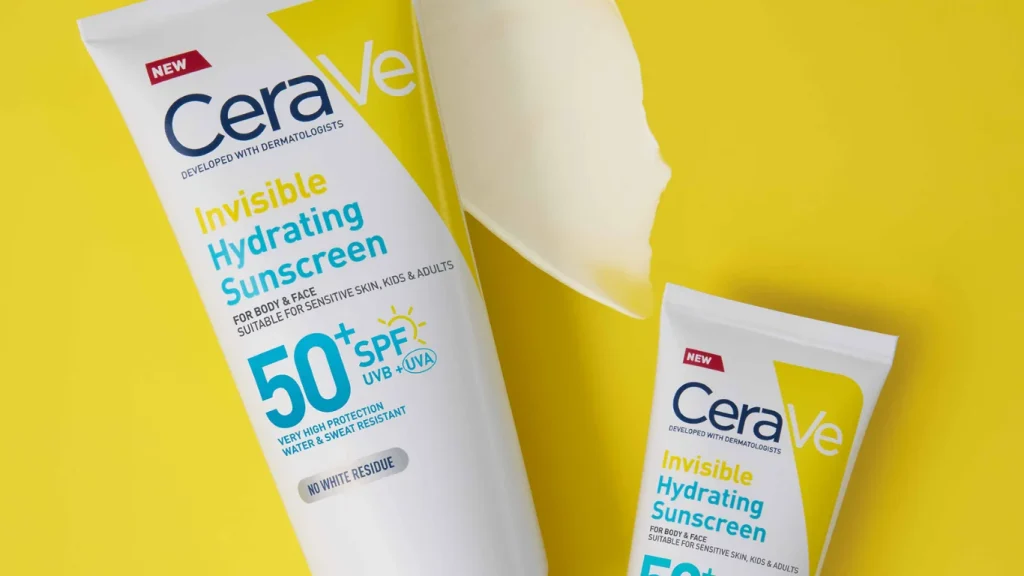
Since entering the UK market in 2018, L’Oréal-owned CeraVe has established itself as one of the region's most recognizable skincare brands. In a market where consumer demand for skincare education is surging alongside widespread online misinformation, the brand is leveraging its clinical roots to drive further growth.
That expansion is being spearheaded by Sarah Atkins, who stepped into the role of General Manager for CeraVe UK & Ireland earlier this year. Bringing six years of leadership experience across L’Oréal Dermatological Beauty brands, Atkins combines clinical knowledge with commercial and modern marketing expertise. By focusing on scientific clarity and credibility, Atkins and her team aim to deepen consumer trust across both markets.
While CeraVe's reputation as a dermatologist-developed brand underpins that trust, Atkins is executing a refreshed engagement strategy centered on accessibility without straying from its medical foundation.
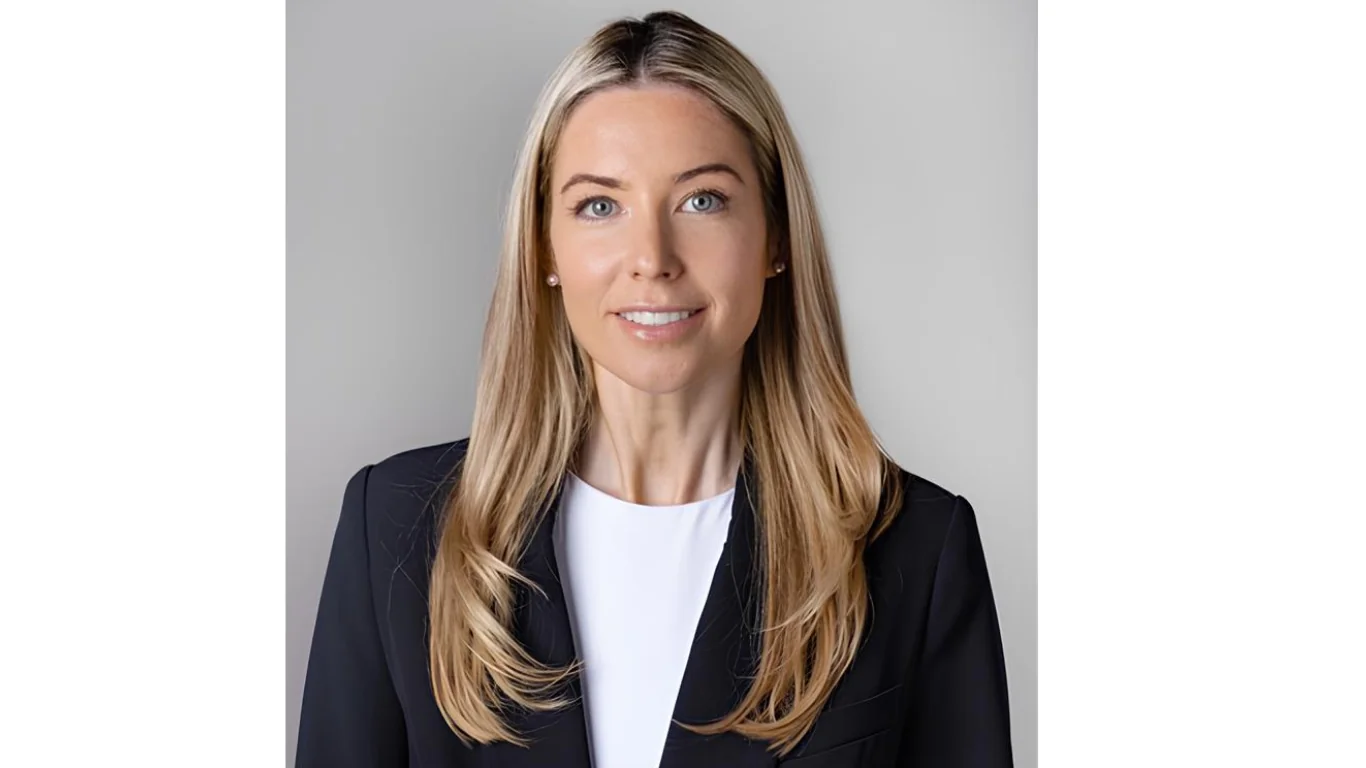
"At CeraVe, we continue to be committed to accessible skin health and ensuring dermatologist-developed skincare is available to as many people as possible," Atkins told industry reporters. "Through supporting and partnering with our dermatologists and other healthcare professionals, we not only help provide platforms for expert voices to educate UK and Irish consumers, but also look to provide a credible voice that cuts through lots of skincare misinformation online."
The growing prominence of dermatologists and skin experts on social media plays directly into this approach. However, Atkins notes that maintaining clinical credibility while staying culturally relevant remains a fine balance, requiring scientific messages to be translated into engaging, accessible creative formats.
"We continue to raise awareness of the importance of the skin barrier and our unique formulation of three essential ceramides to protect and strengthen it," Atkins explained. "We do that through entertaining concepts that make the science behind the products and ingredients more digestible and less clinical."
Atkins describes CeraVe’s marketing strategy as a 360-degree ecosystem built to reach diverse demographics across multiple platforms with tailored product messaging. "CeraVe continues to be a brand with authority and credibility while not trying to be something it is not," she added.
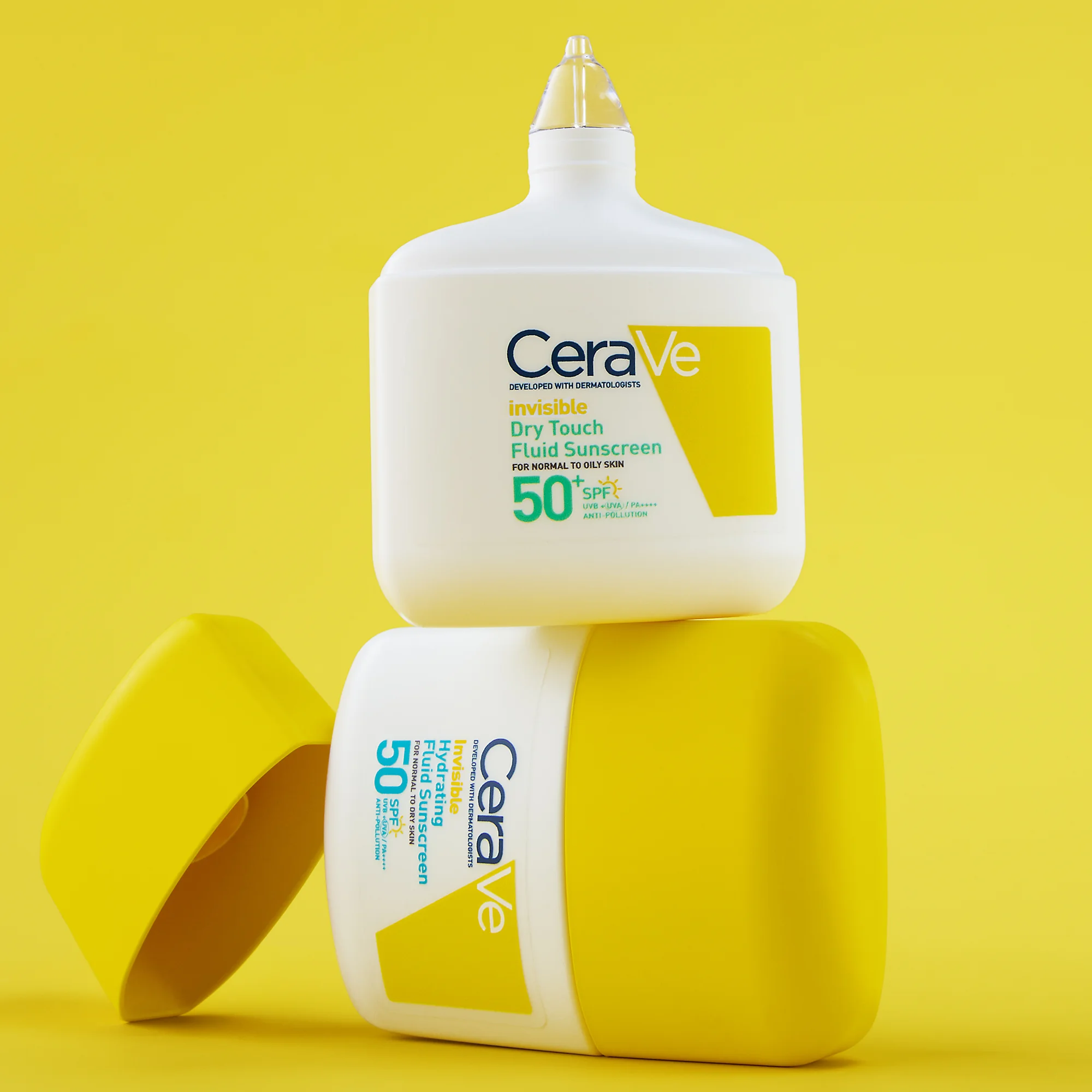
Sun care has emerged as a major growth engine for CeraVe. With the UK sun care category growing 11.6% year-over-year, the brand has ramped up investment as part of its next expansion phase. In its latest product launch, CeraVe broadened its sun protection lineup with the Invisible SPF range and launched campaigns framing daily SPF as an essential step in skin health maintenance rather than a seasonal product.
This shift aligns with changing consumer behavior. Internal data reveals a 45% increase in SPF-related social media searches, pointing to strong demand. As consumers grow more intentional about their routines—reflecting broader industry trends toward scientific literacy and data-backed routines detailed in reports on AI personalization and predictive beauty—CeraVe's clear ingredient messaging stands out.
"There has been a huge shift from a seasonal beauty product to an everyday essential, with brands, experts, and influencers highlighting the importance of daily application," Atkins noted. "Consumers increasingly see sun protection as a preventive health and anti-aging step in their routine, not just protection from sunburn. Daily SPF use is now embedded into morning routines, especially thanks to innovation within the category."
To support these launches, CeraVe relies on a synchronized cross-channel execution strategy. "We really understand the importance of a 360 marketing and PR campaign and positioning the right product for the right consumer," Atkins said.
"We recently launched on TikTok Shop, which targets a specific demographic," she added. "We also have a strong presence at festivals across the UK this year to support and educate consumers on our new Invisible SPF range. Within our social strategies and paid campaigns, we work with an eclectic mix of influencers that feels authentic to us as a brand."
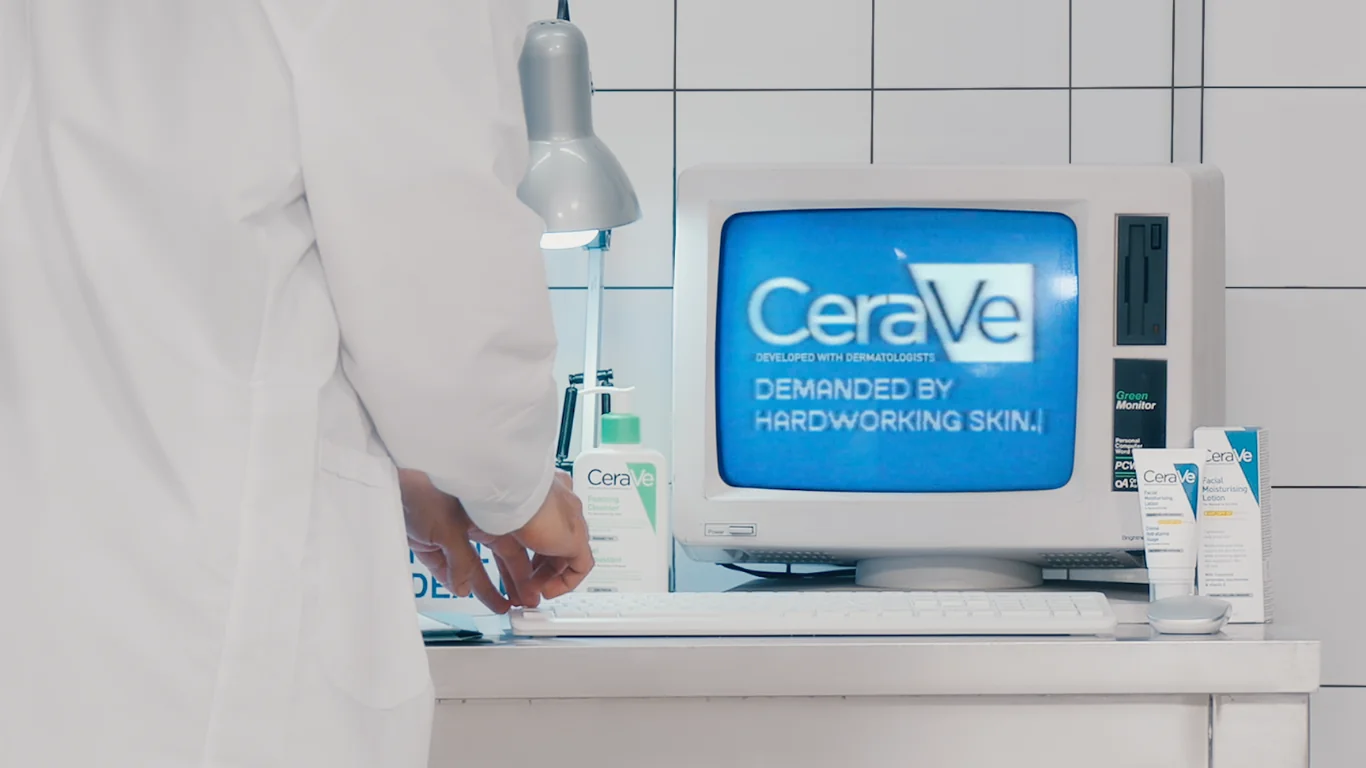
Beyond sun care, CeraVe is focused on counteracting routine fatigue. Earlier this year, the brand launched its "Demanded by Hardworking Skin" campaign, introducing the concept of "step sickness" to address consumer exhaustion with overly complex, multi-step skincare routines.
The playful campaign positioned CeraVe's AM Facial Moisturising Lotion SPF 50 as a simplified, single-step alternative for morning routines. Across its broader portfolio, Atkins emphasized that the brand's strength resides in everyday barrier-care essentials.
"Our total portfolio offers daily essentials needed for skin health, and products ranging from our AM moisturiser to our intensive moisturising lotion continue to be why people choose CeraVe," she said.
Atkins also pointed to long wait times for public dermatological care in the UK as an ongoing structural challenge—and an opportunity for mass dermatological skincare brands to fill the gap.
"Seeing a dermatologist about a skin concern remains difficult in the UK, so ensuring as many people as possible access our skin barrier-building portfolio helps us grow while ensuring more consumers have access to healthy skin solutions developed with dermatologists," she noted.
Looking forward, Atkins said future innovation will stay grounded in skin barrier health while expanding into new formats and appealing to broader demographics across ages and genders. Meanwhile, across the wider retail market, as retailers adapt their strategies—such as Harvey Nichols' luxury beauty merchandising focus—mass dermatological brands like CeraVe are proving that clinical accessibility and consumer education remain prime drivers of brand loyalty.
Conversation
0 Comments