EU Targets Counterfeit Cosmetics in Landmark E-Commerce Fine
The European Union's €550 million fine against AliExpress signals a major regulatory crackdown on counterfeit cosmetics sold through online marketplaces.

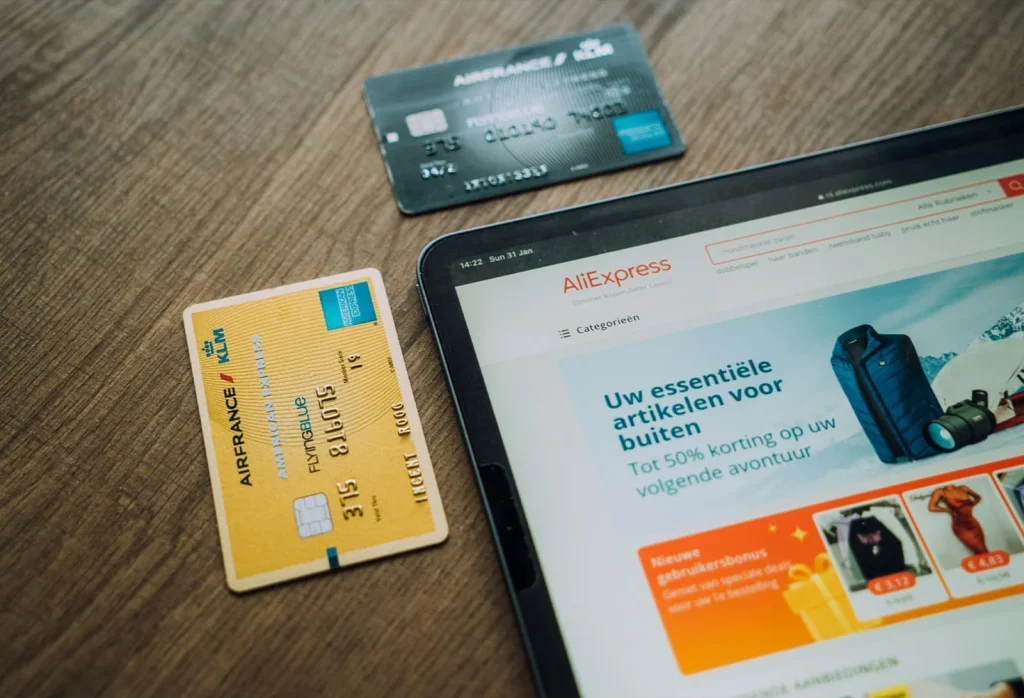
The European Commission's record €550 million ($632 million) fine against Chinese online retailer AliExpress represents the largest penalty issued under the Digital Services Act (DSA) to date. The ruling could mark a turning point for beauty brands battling counterfeit products online, as regulators place greater responsibility on marketplaces to police the products sold across their platforms. The Alibaba-owned company breached the European Union’s DSA by failing to adequately assess and mitigate the risks associated with illegal, unsafe, and fraudulent items, including contaminated cosmetics.
Regulators identified major shortcomings in AliExpress’ product moderation systems, advertising and recommendation algorithms, seller enforcement, and brand authorization programs. While AliExpress has stated it will appeal the decision, arguing it has invested heavily in risk management, the penalty underscores the European Commission’s increasingly aggressive approach to regulating digital marketplaces.
AliExpress has evolved into one of the world’s largest cross-border e-commerce platforms, competing with fast-growing competitors such as Temu and Shein for price-conscious shoppers. As rapid cross-border models expand—demonstrated by how agile Chinese supply chains powered SHEGLAM's global fast-beauty growth—beauty and personal care products have become a dominant category where established global brands list alongside third-party merchants and private-label labels. The platform's immense scale makes it an important test case for how regulators intend to enforce corporate accountability on cross-border selling hubs.
Why Beauty Brands Should Pay Attention
Although the regulatory investigation covered multiple consumer product categories, European officials specifically highlighted dangerous cosmetics that were flagged by safety screeners but remained active on the site for weeks. That explicit callout makes the ruling critical for prestige and mass beauty brands alike.
Counterfeit skincare, color cosmetics, and fragrances pose severe challenges for brand equity and public health. Unregulated copies routinely bypass strict EU cosmetics safety assessments, ingredient bans, and mandatory labeling regulations. Unlike authorized formulas, illicit beauty products frequently contain undisclosed chemicals, heavy metals, or hazardous microbial contaminants.
Stemming fake beauty listings has grown increasingly complicated as premium cosmetics expand their reach online. White-label manufacturing, dropshipping networks, and third-party vendor accounts make it easy for unauthorized suppliers to replicate popular products, while multi-jurisdictional commerce allows removed listings to quickly reappear under new merchant accounts.
The European Commission concluded that AliExpress failed to establish robust preventative systems required of Very Large Online Platforms (VLOPs) under the DSA framework.
Enacted in 2022 with full enforcement rolling out through 2024, the Digital Services Act requires platforms with over 45 million active EU users to operate under stricter oversight, which AliExpress has had to follow since 2023. Rather than relying on reactive notice-and-takedown requests after fake items are reported, the law mandates proactive risk assessments, stricter vendor vetting, permanent bans for repeat offenders, and proof that recommendation algorithms do not amplify illicit goods.
This shift arrives as beauty distribution becomes more decentralized. Consumers frequently discover emerging products through social creators, live shopping streams, and viral video trends before buying through third-party sellers. While digital channels can drive explosive consumer interest, as seen in how TikTok beauty creators transition viral buzz into retail staying power, fragmenting sales channels make tracking product provenance far harder for brand owners.
By holding platform operators directly accountable for vendor misconduct, European regulators are altering the legal landscape. For beauty executives, stronger platform-level vetting and automated anti-counterfeiting oversight could improve intellectual property protection and accelerate the removal of unauthorized listings. However, legitimate independent brands and third-party vendors selling through cross-border channels will also face significantly higher compliance standards.
Rising Pressure in E-Commerce Markets
This enforcement action follows years of regulatory scrutiny over fake goods circulating on AliExpress and formal proceedings initiated by the European Commission in 2024. Regulators determined that despite platform updates, substantial compliance gaps remain in identifying and deleting unapproved formulas.
The ruling reflects a broader regulatory push targeting fast-growing e-commerce networks. The fine follows similar enforcement against Temu, which faced a €200 million ($230 million) fine after a two-year investigation launched in 2024 over banned products, consumer protection gaps, and dark-pattern user interfaces. These actions demonstrate that European authorities intend to use DSA penalties to reshape digital retail operations.
Marketplace governance is transitioning from a legal formality into a core operational metric. As online channels remain central to beauty discovery and purchase, supply chain transparency, product safety, and brand authenticity are key to maintaining consumer confidence.
AliExpress has until October to submit remediations or face additional daily penalties, ensuring European oversight of global e-commerce platforms will remain a central concern for international beauty brands.

Conversation
0 Comments