Pioneer Chinese Cosmeceuticals Retailer UBSKIN Declared Bankrupt
Chinese retailer UBSKIN has been declared bankrupt after regulatory changes and digital shifts destabilized legacy beauty retail in China.

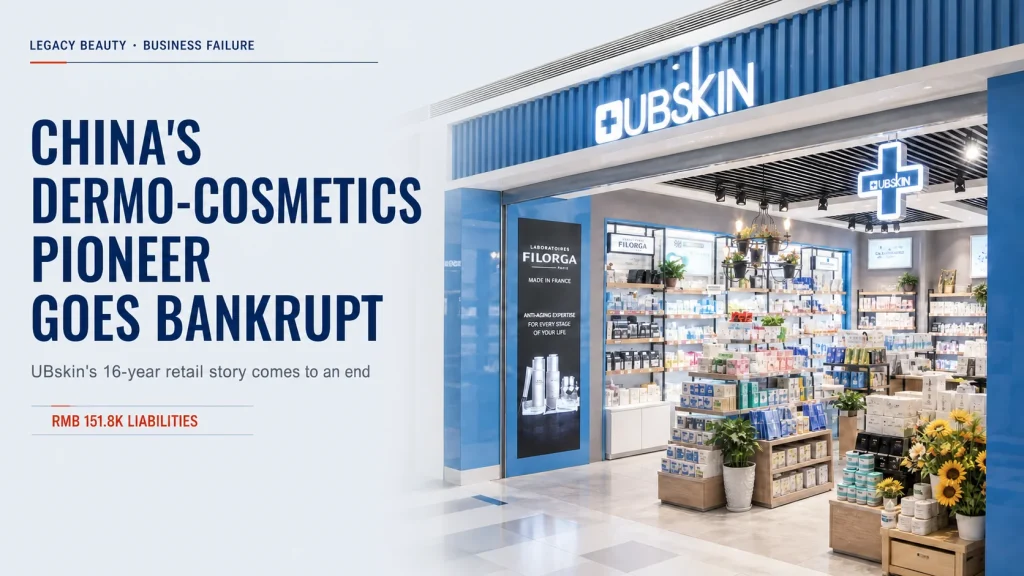
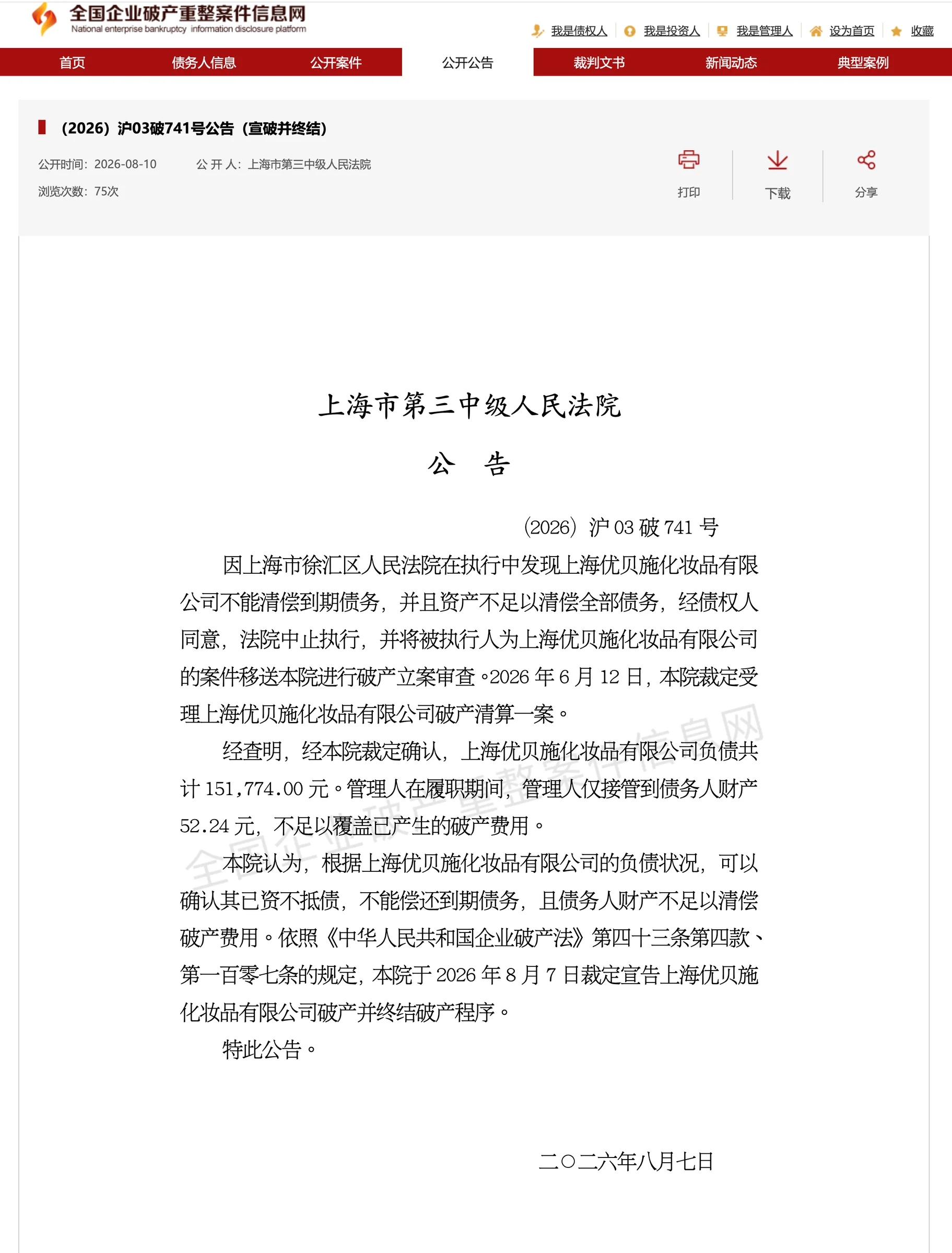
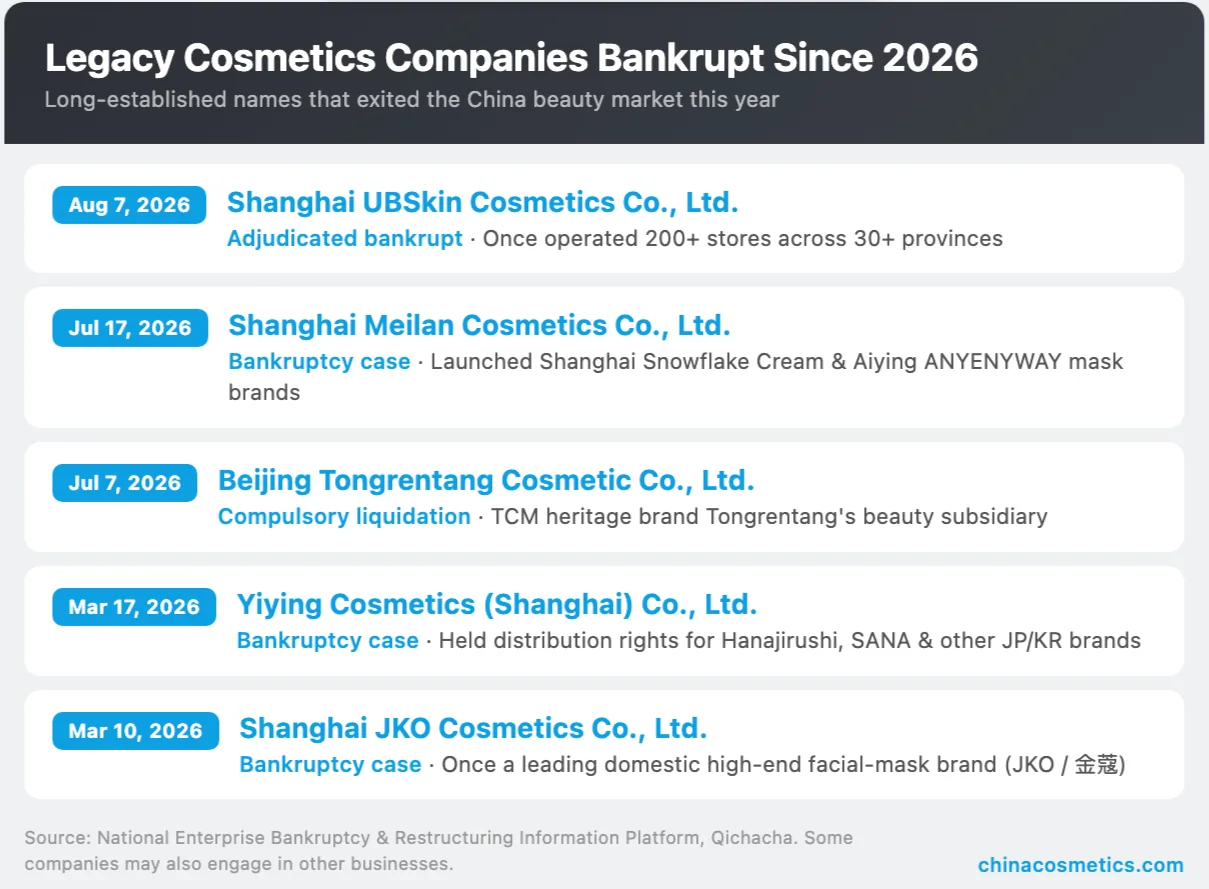
Shanghai UBSKIN Cosmetics Co., Ltd., long regarded as a pioneer in introducing open-shelf imported cosmeceuticals to China, has officially concluded bankruptcy proceedings. According to court filings updated on August 10 on China's National Enterprise Bankruptcy Information Network, the Shanghai Third Intermediate People's Court declared UBSKIN bankrupt on August 7, 2026. The court determined that the company was insolvent, held total recorded liabilities of RMB 151,800 (approx. $21,000), and lacked sufficient assets to cover bankruptcy costs.
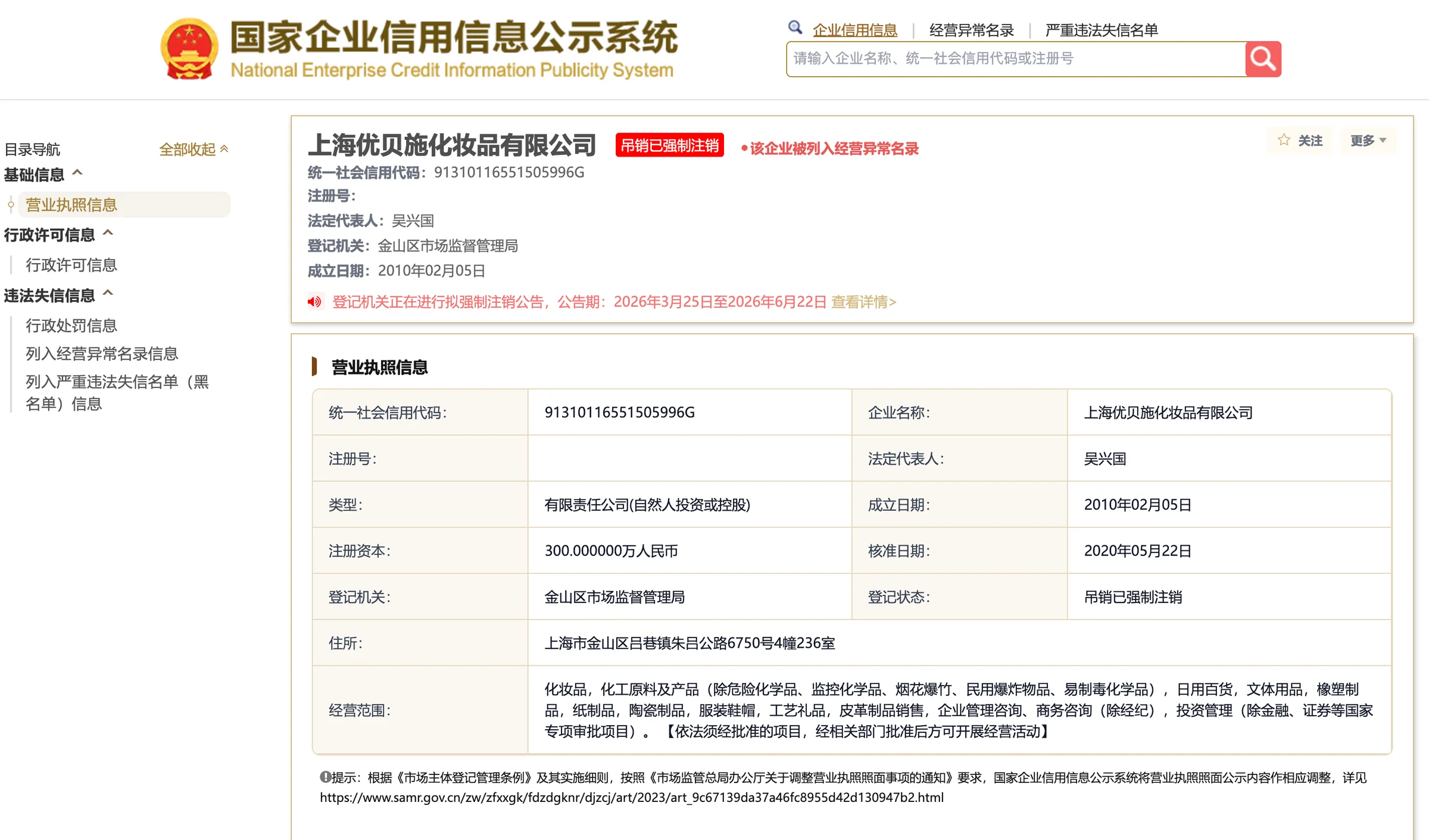
Founded in 2010, UBSKIN operated over 200 physical locations at its peak and promoted itself as China's largest imported cosmeceutical retail chain. However, data from corporate records platform Qichacha shows that the company has now shut down. UBSKIN's collapse highlights broader structural challenges facing legacy beauty businesses in China, where shifting regulations, evolving consumer preferences, and rapid digital migration are reshaping offline distribution.
Sixteen-Year-Old Retailer Collapses Under Regulatory and Commercial Pressure
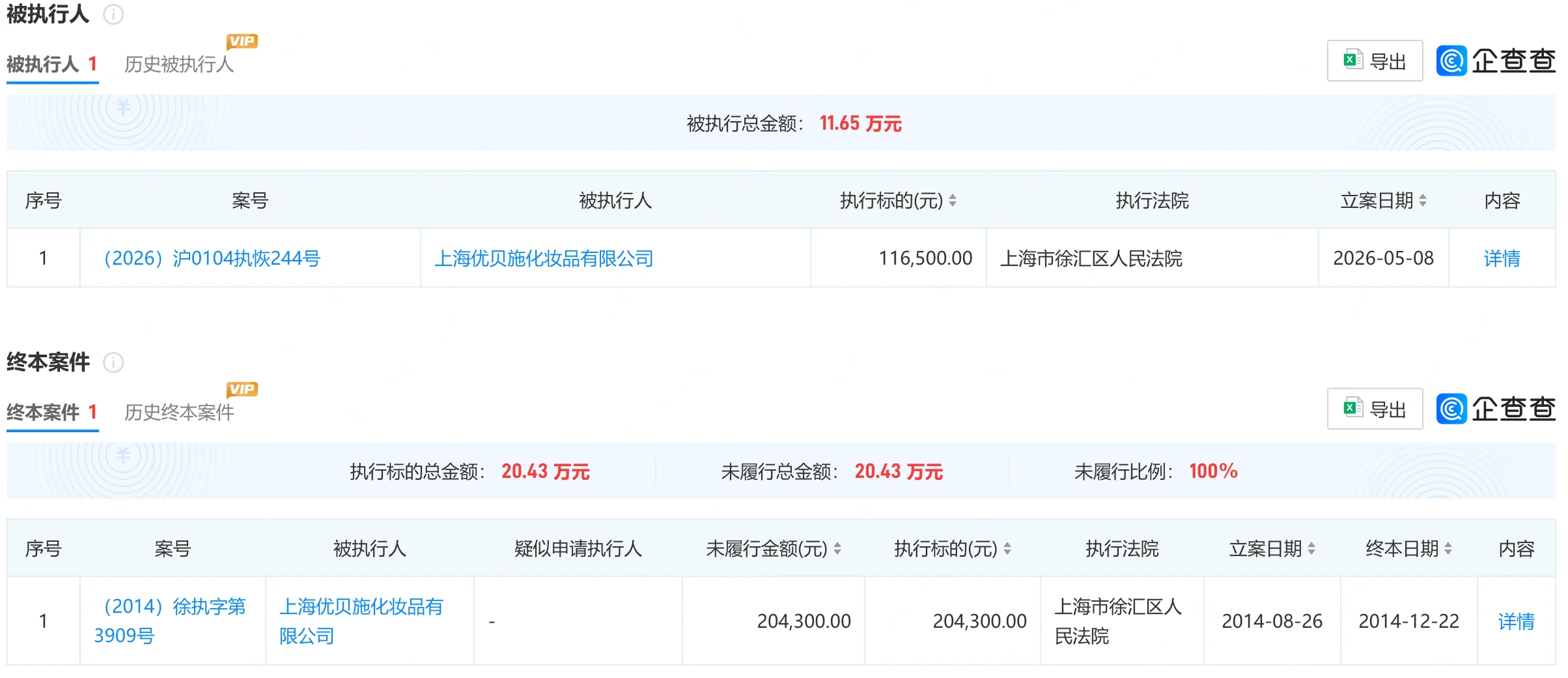
Court filings show that the Shanghai Third Intermediate People's Court accepted UBSKIN's bankruptcy liquidation petition on June 12, 2026. Records on Qichacha reveal that UBSKIN was a defendant in eight judicial lawsuits with claims totaling RMB 533,000 ($74,000), was listed as an enforced debtor in May 2026 for RMB 116,500 ($16,200), and had unfulfilled enforcement orders totaling RMB 204,300 ($28,400).
The retailer's operational troubles began years earlier. In 2019, municipal authorities flagged UBSKIN twice for operational anomalies after it failed to publish annual corporate reports and could not be reached at its registered business address. Between March and June 2026, Chinese market regulators issued public notices of intent to forcibly revoke the company's business license, officially listing its status as revoked and forcibly deregistered.
According to company statements, UBSKIN was China's first retail chain to introduce Western-style open-shelf cosmeceutical retailing, offering imported skincare, sheet masks, baby care, and personal care formulations.
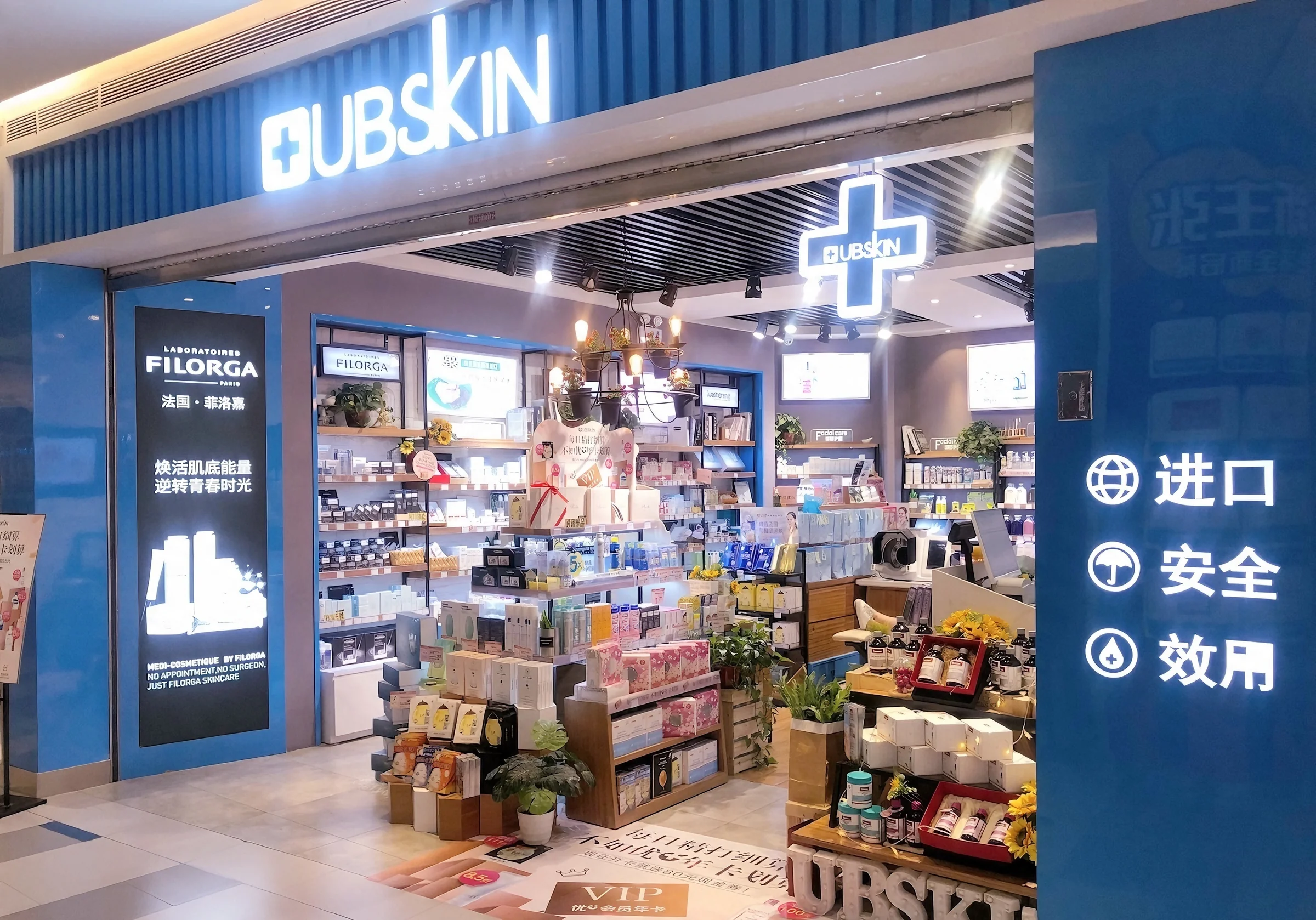
By 2017, UBSKIN operated over 200 storefronts nationwide and stocked products from more than 200 cosmeceutical brands across 50 countries, positioning itself as a key distribution partner for foreign skincare labels entering China. At the time, the company announced plans to expand to 1,000 physical stores within five years.
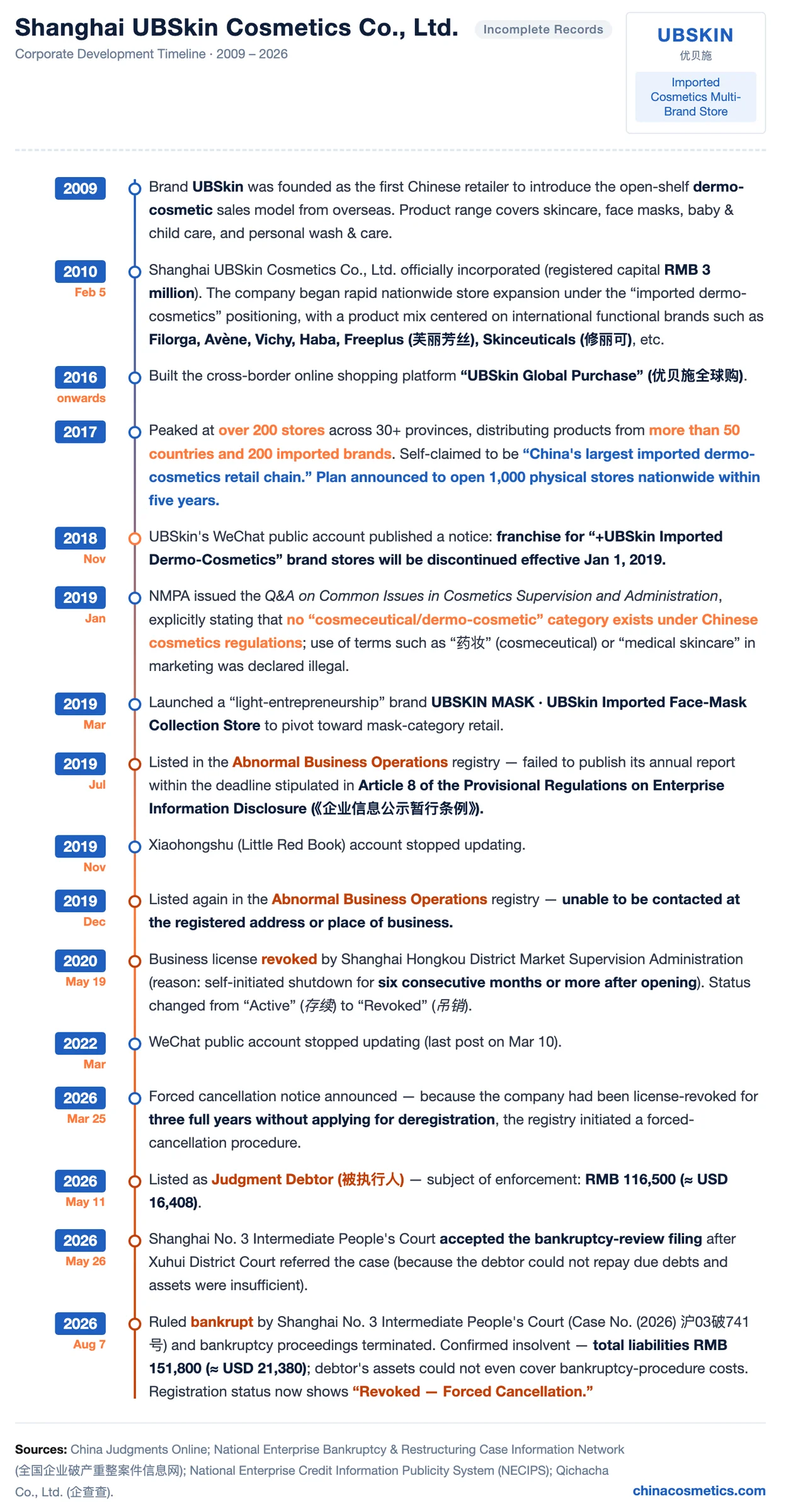
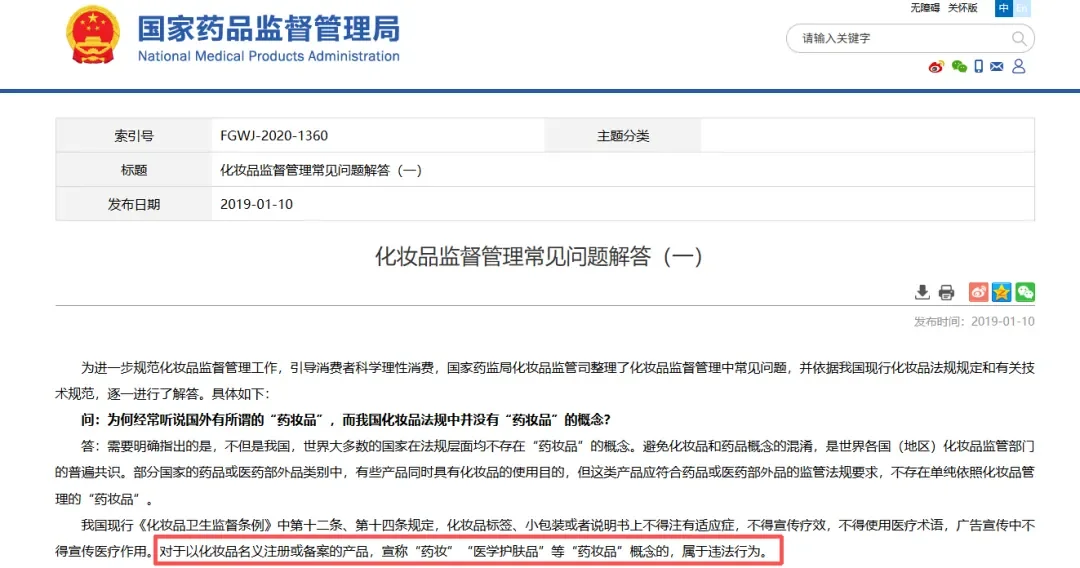
However, the model encountered a fatal policy shift. In November 2018, UBSKIN announced it would stop franchising effective January 1, 2019. The move coincided with strict regulatory guidance from China's National Medical Products Administration (NMPA). In January 2019, the NMPA clarified that marketing general cosmetics using claims like "cosmeceutical" or "medical skincare" was illegal under Chinese cosmetics regulations.
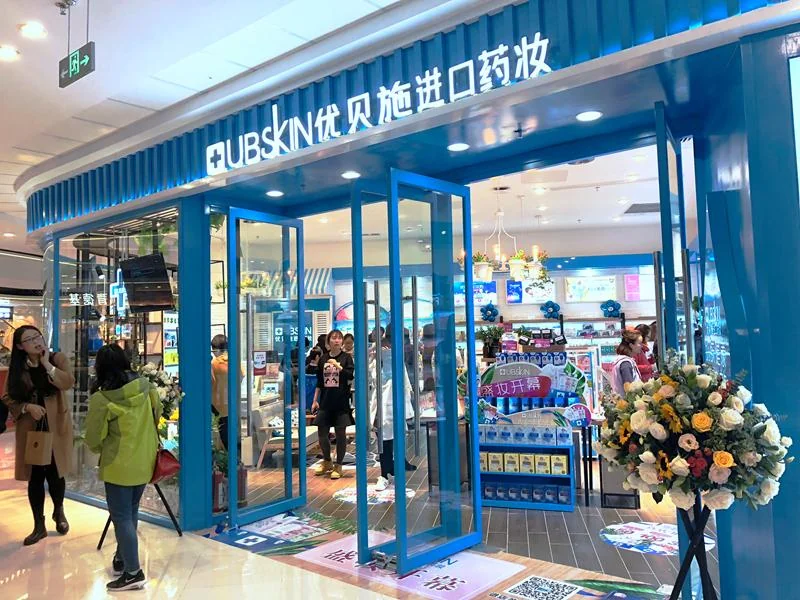
Stripped of its core positioning, UBSKIN attempted to pivot. It removed "Imported Cosmeceuticals" from its store signage, leaving only the brand name UBSKIN.
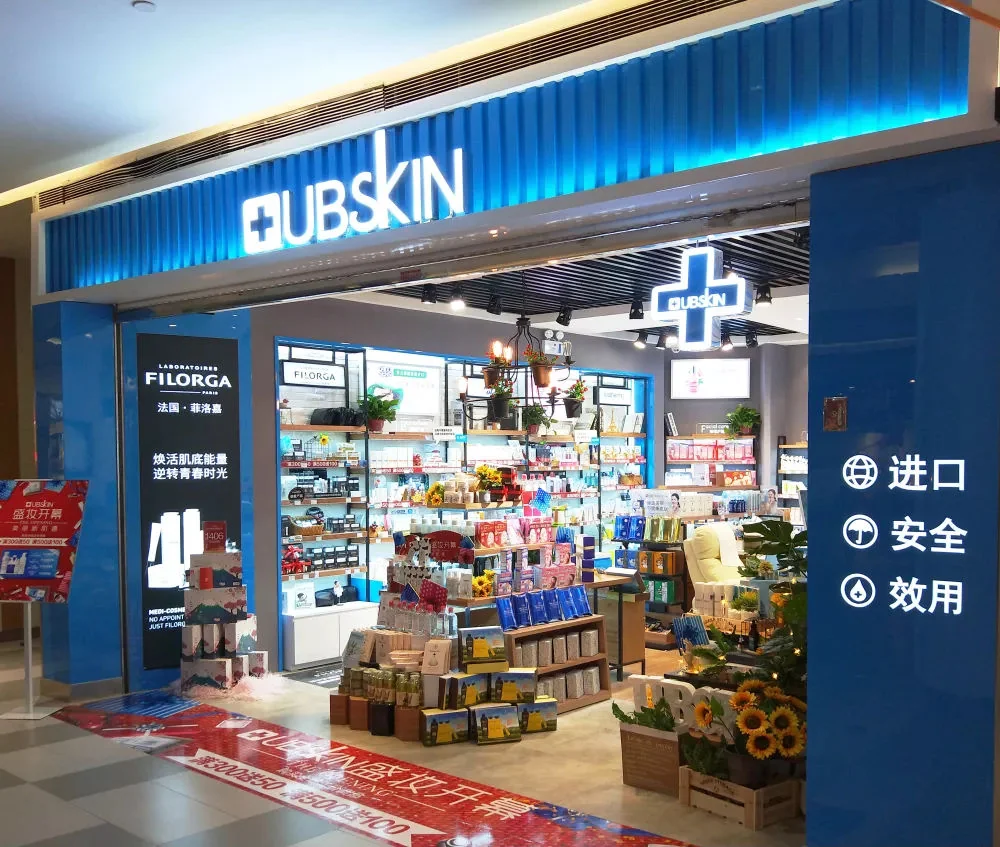
In March 2019, the company launched a multi-brand retail store concept named UBSKIN MASK, focusing heavily on sheet masks, which accounted for 80 percent of inventory. The store carried international brands, including Laneige, Mediheal, Dr.Jart+, Kracie, and Borghese, along with functional brands like Dermaroller and Medspa. This multi-brand retail strategy emerged as K-beauty expanded beyond skincare into personal care and fragrance across broader Asian retail channels.
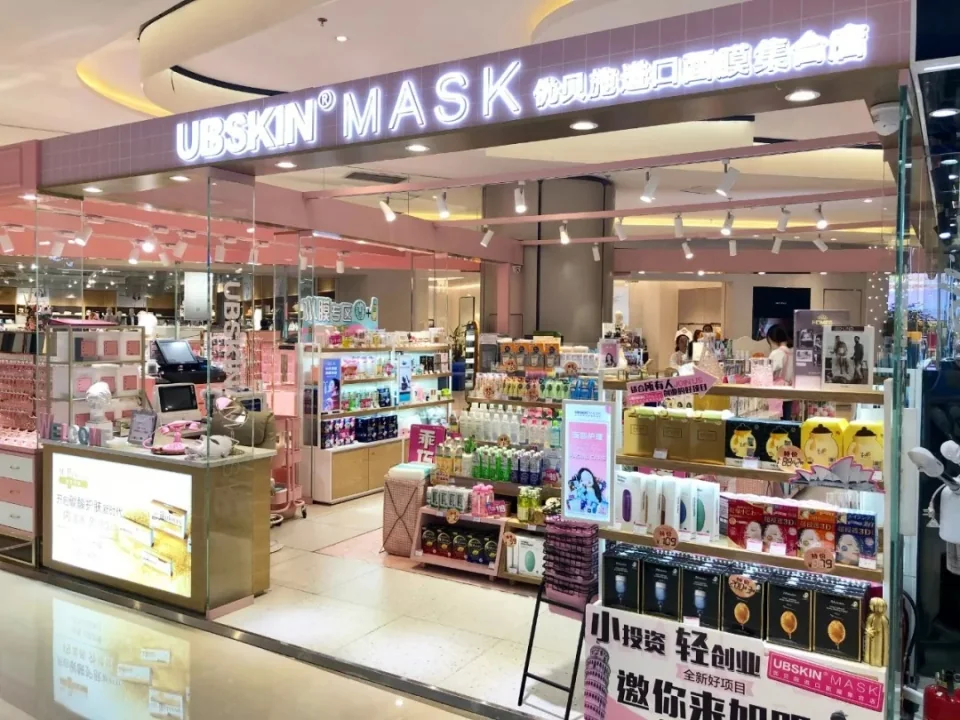
Despite the pivot, UBSKIN failed to adjust to changing channel dynamics. The retailer abandoned social media outreach on Xiaohongshu, a Chinese lifestyle and shopping platform, and WeChat, eventually leading to forced corporate deregistration, judicial enforcement, and insolvency.
Widespread Insolvencies and Distressed Asset Sales Across Chinese Beauty
UBSKIN's liquidation reflects a broader shakeout among established beauty businesses in China. Filings on the National Enterprise Bankruptcy Information Network show that over 20 cosmetics-related companies have entered bankruptcy proceedings in 2026 alone, spanning legacy brand owners, contract manufacturers, offline retail chains, and import distributors.
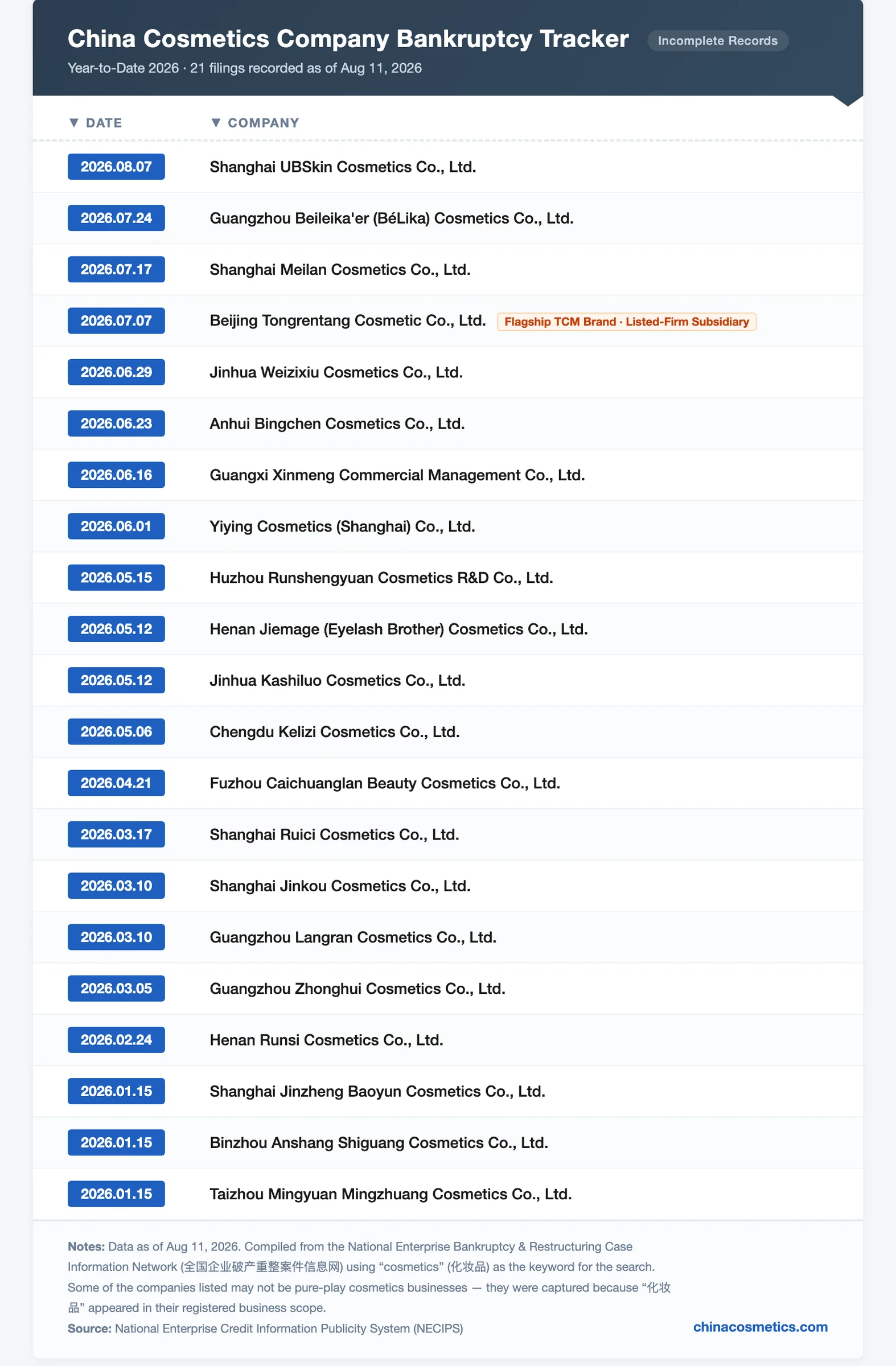
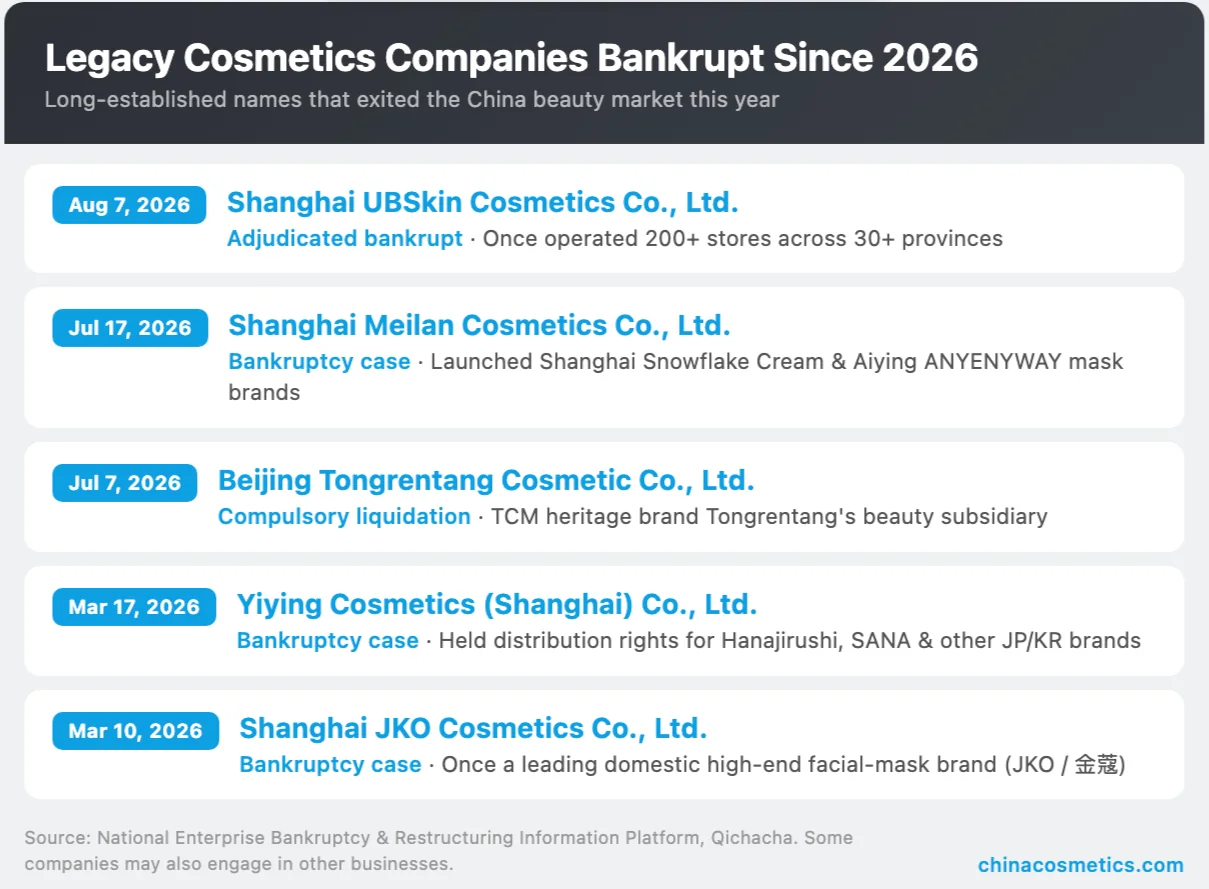
Notable cases include Taizhou Mingyuan Mingzhuang Cosmetics Co., Ltd., a 25-year-old retail chain once dubbed "China's Sephora," which entered bankruptcy review following court enforcement actions exceeding tens of millions of yuan. Shanghai Meilan Cosmetics Co., Ltd., a 40-year-old manufacturer known for its traditional vanishing creams, was declared bankrupt with liabilities of RMB 19.42 million ($2.7 million). Meanwhile, Beijing Tongrentang Cosmetics Co., Ltd., a subsidiary of the 300-year-old traditional Chinese medicine enterprise Tongrentang Group, underwent forced liquidation due to debt defaults. These corporate restructuring events reflect the shifting dynamics analyzed in 2026 Beauty Market Trends: U.S. and China H1 Sales, where traditional offline networks face pressure from livestreaming channels and evolving consumer habits.
Completing bankruptcy or forced liquidation rarely resolves corporate liabilities smoothly, as judicial asset auctions frequently fail to attract buyers. For instance, Shanghai Jieshibao Daily Chemical Group Co., Ltd. saw 42 registered trademarks for its brand COCOVEL sell for RMB 405,000 ($56,000) after 54 bidding rounds in May 2026, though most of its listed assets received no bids. In another auction, a 70 percent equity stake in Manzhitang (Shanghai) Pharmaceutical Co., Ltd. held by Jieshibao failed to sell at RMB 50,000, was relisted with a starting bid of RMB 1, and eventually closed at RMB 2,001 ($278).
Although Jieshibao's bankruptcy proceedings concluded in September 2025, asset liquidations dragged on into August 2026. Illiquid assets have exacerbated corporate debt burdens, leading courts to place the company's legal representative under spending restrictions in August 2026.
The pressure extends to contract manufacturing as well. As of mid-June 2026, at least 14 Chinese cosmetics OEM and ODM factories experienced severe financial distress, with 10 listed as enforced debtors. Manufacturers like Guangzhou Suorou Biotechnology Co., Ltd. and Guangzhou Bocali Biotechnology Co., Ltd. have undergone repeated bankruptcy auctions.
The decline of legacy players highlights how rapidly China's cosmetics industry is restructuring. Offline chains, distributors, and contract manufacturers that relied on physical store footprint or regulatory loopholes without building direct digital engagement, strong brand equity, or formulation strengths face heightened pressure. As e-commerce platforms like JD.com target global beauty brands at Cosmoprof North America to streamline cross-border supply chains, legacy retail intermediaries are increasingly being bypassed by direct-to-consumer and cross-border channels.


Conversation
0 Comments