Makeup Artist Ruby Hammer on Building an Inclusive Beauty Legacy
Beauty pioneer Ruby Hammer discusses her career, launching Ruby & Millie, and championing shade inclusivity long before it became an industry standard.

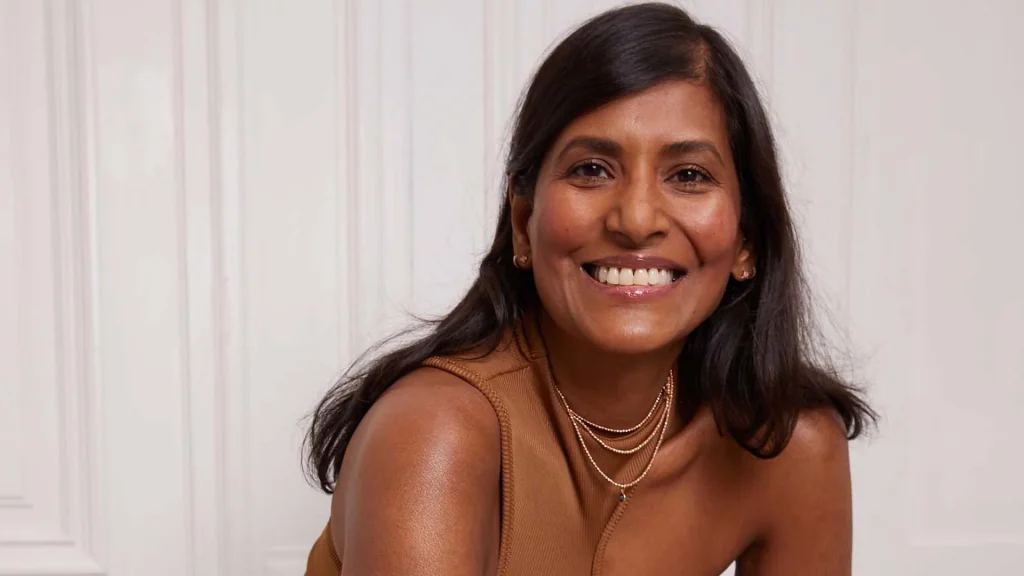
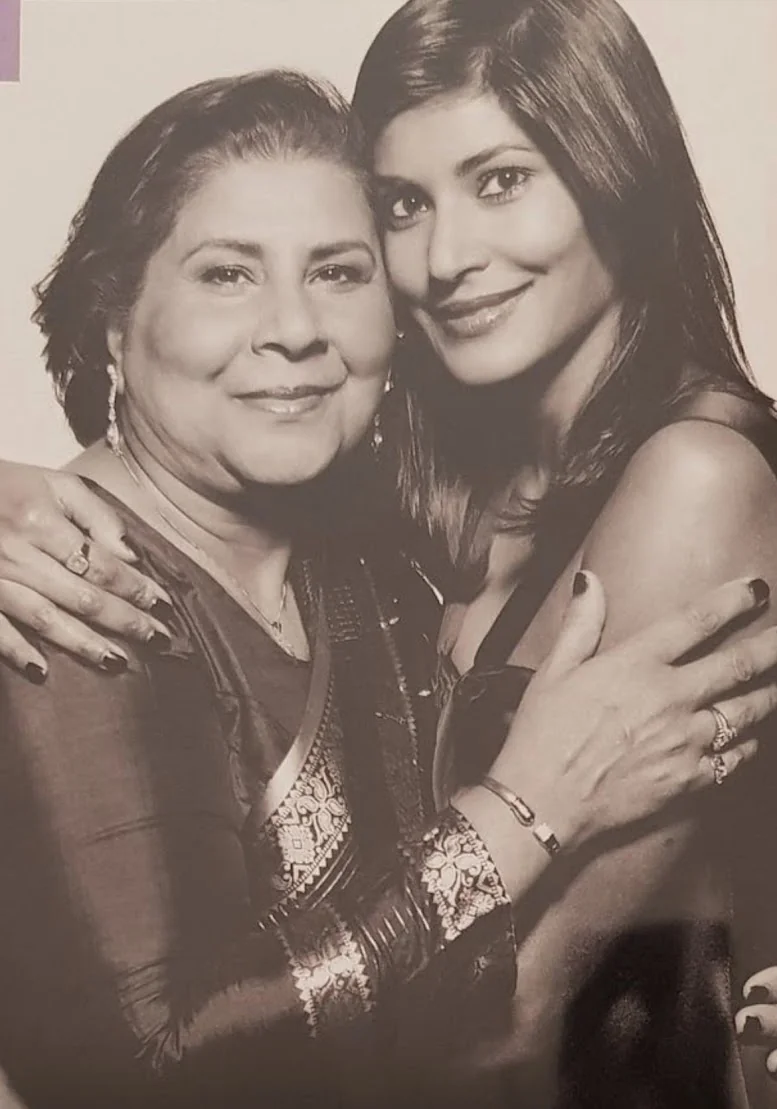
Ruby Hammer is one of the British beauty industry's most recognizable figures. A fixture for beauty insiders and consumers since the 1990s, her trailblazing contributions can easily be taken for granted. Hammer didn't set out to break molds; she was simply driven by a lifelong passion for beauty first inspired by her mother.
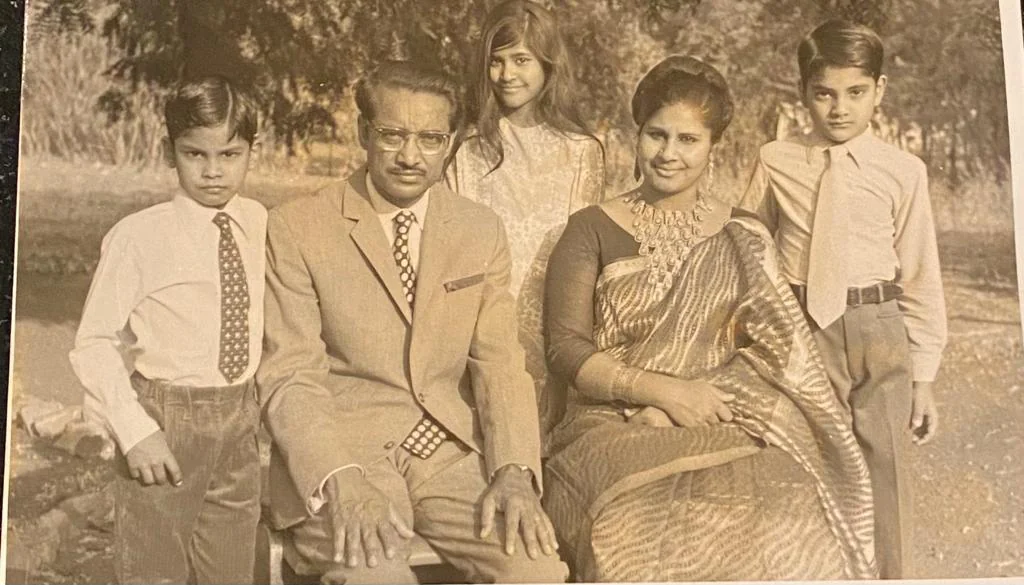
Raised in Nigeria by Bangladeshi parents, Hammer moved to the UK at age 12, stepping into a vibrant world of youth culture, fashion, and beauty. She began her career working on the sales floor at London's iconic Harrods department store, where she spent most of her paychecks on makeup.
After starting out assisting on photo shoots, she quickly established herself as an in-demand makeup artist. Hammer gained recognition for her expertise across all skin tones and ethnicities—a rarity in the 1990s, when models of color were frequently expected to bring and apply their own makeup on set and backstage. She later became a household name in the UK through television appearances on makeover shows like 10 Years Younger.
In the late 1990s, Hammer helped push inclusive beauty into the mainstream by launching Ruby & Millie alongside beauty publicist Millie Kendall (now CEO of the British Beauty Council). Partnering with UK health and beauty retailer Boots, Ruby & Millie brought inclusive, accessible products to the mass market. For Hammer, who is Muslim, and Kendall, who is Jewish, creating an inclusive brand was second nature. The line became a major commercial success, while its signature clear packaging and versatile, multi-use formulations predated modern minimalism by years.
That foundational spirit endures in Ruby Hammer Beauty, a curated line of cosmetics and beauty tools she launched in 2019. Hammer, who was awarded an MBE (Member of the Order of the British Empire) in 2007 for her services to the cosmetics industry, sat down to discuss her early influences, the evolution of her career, and her advice for women entrepreneurs.
You are a prominent voice in beauty, but for those unfamiliar with your early story, how did growing up in Nigeria with Bangladeshi parents shape your perspective and ignite your passion for beauty?
It really started with my mother. She was a young mother managing a household in Nigeria's hot, humid climate, which was demanding work. But I vividly remember watching her apply makeup and seeing the immediate transformation. Seeing how it changed how she felt was the original spark for me.
Our world back then was fairly small and quiet. We didn't have magazines lying around, art galleries, or regular television. My mother was my primary reference point. For outside creative inspiration, we relied on movies—Spaghetti Westerns, James Bond, Bollywood films, and cartoons. I absorbed all that glamour and color from the screen.
You moved to the UK at age 12. What impact did that transition have on you, both as a world of new possibilities and as a culture shock?
Arriving in the UK was an explosion of sensory input. Suddenly, I had access to a completely new visual culture. By my teenage years, I attended a school that permitted students to wear makeup. Having the freedom to experiment daily turned an early interest into an obsession.
It was a tremendous culture shock, but in the best way. Moving from a quiet environment to having the world at my fingertips was exhilarating. The sheer accessibility of everything was overwhelming.
In London, if I wanted a cosmetics product, I could simply walk into a store and buy it. The British retail high street was a revelation—not just for beauty, but for music, magazines, food, and fashion. Street style was a real form of everyday self-expression visible everywhere.
For someone fascinated by transformation, that level of freedom meant everything. I was no longer observing style from a distance; I could touch it, experiment with it, and actively participate.
When did you decide to pursue beauty as a career, and how did you get your start? Did your path begin on the retail floor at Harrods?
People often assume I started behind a beauty counter, but I actually worked in Harrods' fashion department. The main perk was the employee discount, which I used to spend my entire paycheck on makeup. It was the era of iconic brands like Biba, Miss Selfridge, Stagelight, and Princess Galitzine, and I immersed myself completely.
Even then, I didn't initially view it as a long-term career. The turning point came when I began assisting makeup artists on professional shoots. Working on set and seeing the process firsthand was an immediate epiphany. In that moment, I knew my future was in beauty and that I wasn't going back to school for a master's degree.
I took a leap of faith, completely shifted direction, and never looked back.
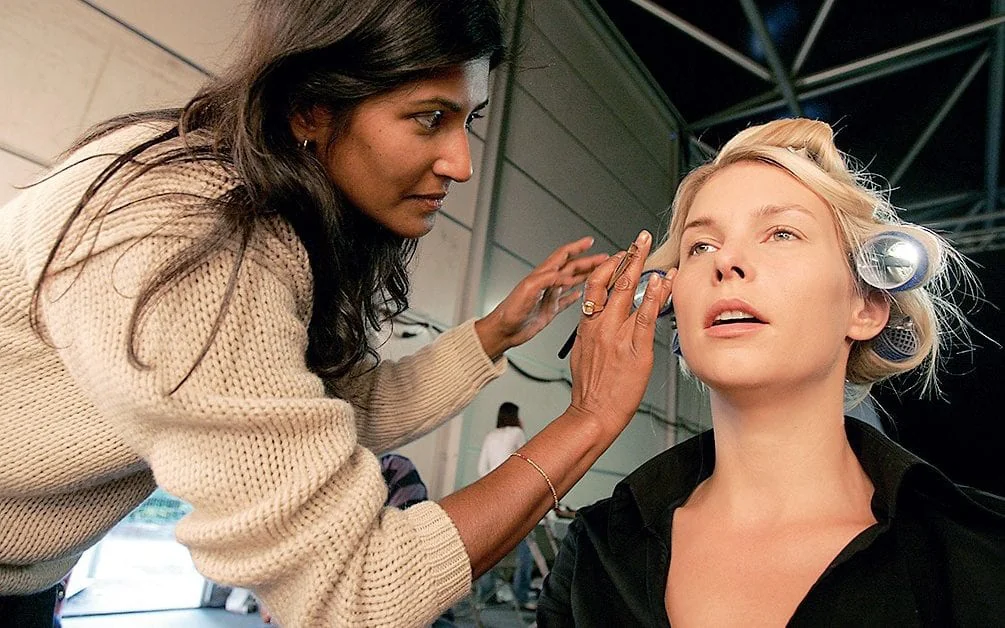
You were one of the first makeup artists to gain a high profile outside industry circles through your work at London Fashion Week, on television, and in magazines. Did you actively pursue that visibility, or was it an organic process?
It was definitely organic, but that’s not to say I wasn't ambitious. I had clear goals from the start. Back then, I was juggling a young family and a marriage behind the scenes, but I still actively sought out an agent. From there, it was a constant evolution. Whenever an opportunity came my way, I grabbed it with both hands to see how far I could go. I genuinely wanted it and pushed myself forward because my passion for the work was all-consuming.
The television side of my career actually happened completely by accident. I made an appearance on The Clothes Show, and the producers quickly realized I could talk and apply makeup simultaneously on live television without getting rattled. It takes a very specific skill set to handle that pressure, and because I could pull it off, things snowballed.
I was approached to join 10 Years Younger, which was a major turning point. From there, one thing led to another—from The Clothes Show to Style Challenge, and eventually launching my own brand, appearing on morning shows like Lorraine and This Morning, and doing segments for the BBC. Becoming a household name was never part of a grand master plan, but whenever those doors opened, I made sure to walk through them.
Looking back at that side of my career, I would love to do more television work today.
In those early days, did you feel your heritage affected how people received you? Even now, the industry is still striving for greater diversity and equality—what was your experience back then?
It must have had an impact, of course, but it was never at the forefront of my professional relationships. I made a very conscious choice not to operate from a negative place or focus on doors that were closed to me.
I knew I had to be prepared to prove myself without letting negative experiences hold me back. Models of color I worked with in the 1980s still tell me, "I loved seeing you on set because I knew you could match my skin tone and would actually have foundation for me." Knowing I provided that reassurance and safe space for them means the world to me.
Ultimately, I refused to be boxed in. I just wanted to push myself to be the best makeup artist I could possibly be—regardless of color, age, or heritage.
Models of color often talk about having to do their own makeup on set in the 1990s. Having an artist on set who genuinely understood how to work with every skin tone must have made a major difference.
It is completely true, and looking back, it was a heartbreaking reality for so many of those models. They would arrive at major runway shows or high-fashion shoots carrying their own makeup bags, terrified that an artist would make them look ashy, gray, or washed out. Their fear was justified, because so many artists simply lacked the right products in their kits and the training to work with deeper skin tones.
For me, that was never acceptable. I refused to let anyone sit in my chair and feel like an afterthought. Because shade ranges in the UK market were so limited at the time, I would buy products in the United States whenever I traveled there. The US market had a much broader color selection, so I would stock up. Even with imported products, my kit was incredibly heavy. I was constantly mixing custom foundation shades, using lipsticks as cream blushes, and doing whatever it took to hit those warm, rich undertones accurately.
The relief on a model's face when she sat down, looked at my kit, and realized she could relax and trust me to do my job was palpable. You could see her shoulders drop. It went far beyond makeup application—it was about making sure every model felt seen, respected, and beautiful. If you call yourself a makeup artist, you have to be able to work on everyone.
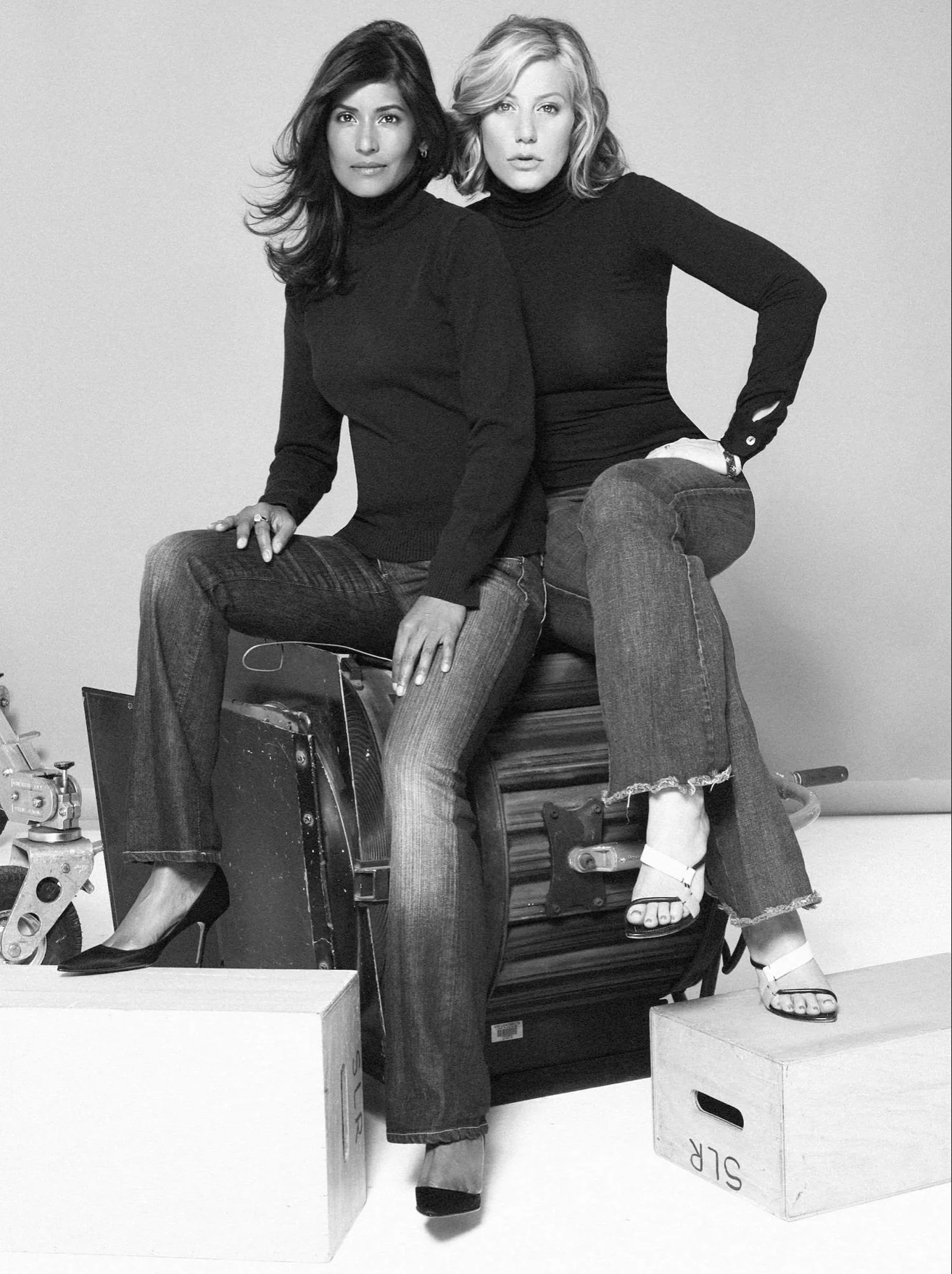
How did you meet Millie Kendall [co-founder of Ruby & Millie and current CEO of the British Beauty Council], and what prompted you to launch a brand together?
We met years ago when she was launching the Shu Uemura counter at Harvey Nichols. I was working on an Elle feature called "Portrait of an Artist," which meant I was running all over London sourcing specific products for my kit. My itinerary that day included Harvey Nichols, Screen Face, and a small local pharmacy.
When I walked into Harvey Nichols, the Shu Uemura counter was pristine, and there was Millie—vigorously polishing the glass display shelves with window cleaner. I took one look at her and thought, "That's a girl after my own heart—aiming for pure perfection."
We clicked instantly over that shared, obsessive work ethic. Shortly after, I introduced her to beauty journalist Anna-Marie Solowij.
That mutual drive and perfectionism became the foundation for everything we did together. We were both working intensely and seeing glaring gaps in the market, particularly around inclusivity and accessible, professional-quality beauty products. Eventually, we decided to partner up and build what was missing ourselves.
What did you set out to do with Ruby & Millie? The brand was trailblazing for championing diversity and inclusion long before those concepts were mainstream beauty industry talking points. Did that approach simply come naturally to both of you?
It really did. We never sat in a strategic meeting planning to target diversity and inclusion. It was never a marketing angle or a buzzword for us—it was simply our day-to-day reality.
I brought my editorial background, having spent years working across every skin tone imaginable, as well as my experience working on the launch of Aveda. Millie was handling PR for the brand at the time. Given our respective backgrounds and what we witnessed on the ground every single day, neither of us had to explain the concept of diversity to the other.
We didn't need long discussions about who our target consumer was. We looked at the beauty retail landscape, saw obvious gaps on store shelves, and drew the exact same conclusions. We wanted to create high-performing, accessible makeup that genuinely worked for everyone. Individually we were pushing boundaries, but together, we were formidable.
At the time, did you reflect on how significant it was to have a female-founded brand co-led by a Muslim woman and a Jewish woman? Given today’s global climate, that partnership feels like a powerful statement.
Honestly, at the time, we didn't view it as a statement. We were simply two women who respected each other's work ethic, shared a vision, and wanted to build something exceptional together.
My Muslim background and Millie’s Jewish heritage were just parts of who we were as individuals. It was never an obstacle, and it certainly wasn't a PR narrative. We were completely focused on the products, the execution, and empowering consumers.
Looking back now, especially given current world events, I realize how rare and meaningful that partnership was. Two women from distinct backgrounds coming together, tuning out the noise, and building a hugely successful brand side by side showed that when you lead with mutual respect and a shared purpose, differences don't divide you—they make you stronger. We didn't intend to make a political point, but in hindsight, it demonstrated what is possible when unity comes first.
Credit must also go to major UK health and beauty retailer Boots. Partnering with us back then was a significant commitment and a commercial risk, but their leadership team had true vision.
What was the most valuable lesson you learned from the Ruby & Millie era?
For me, it was learning how to navigate a massive corporate partnership.
As an entrepreneur or creative, you are used to being nimble: you spot an opportunity, execute quickly, and move fast. But partnering with a retail giant means moving from an agile speedboat to a massive ocean liner. You have to learn how to adjust to corporate timing and manage complex institutional steps.
The critical takeaway was learning to fiercely protect your brand identity. Within a large corporate structure, your original vision can easily be diluted if you aren't careful. You have to remain firm, maintain control over your brand narrative, and preserve the core identity of what you built.
At the same time, you experience the power of scale. Partnering with a major corporation opened distribution doors that an independent brand could never have accessed alone.
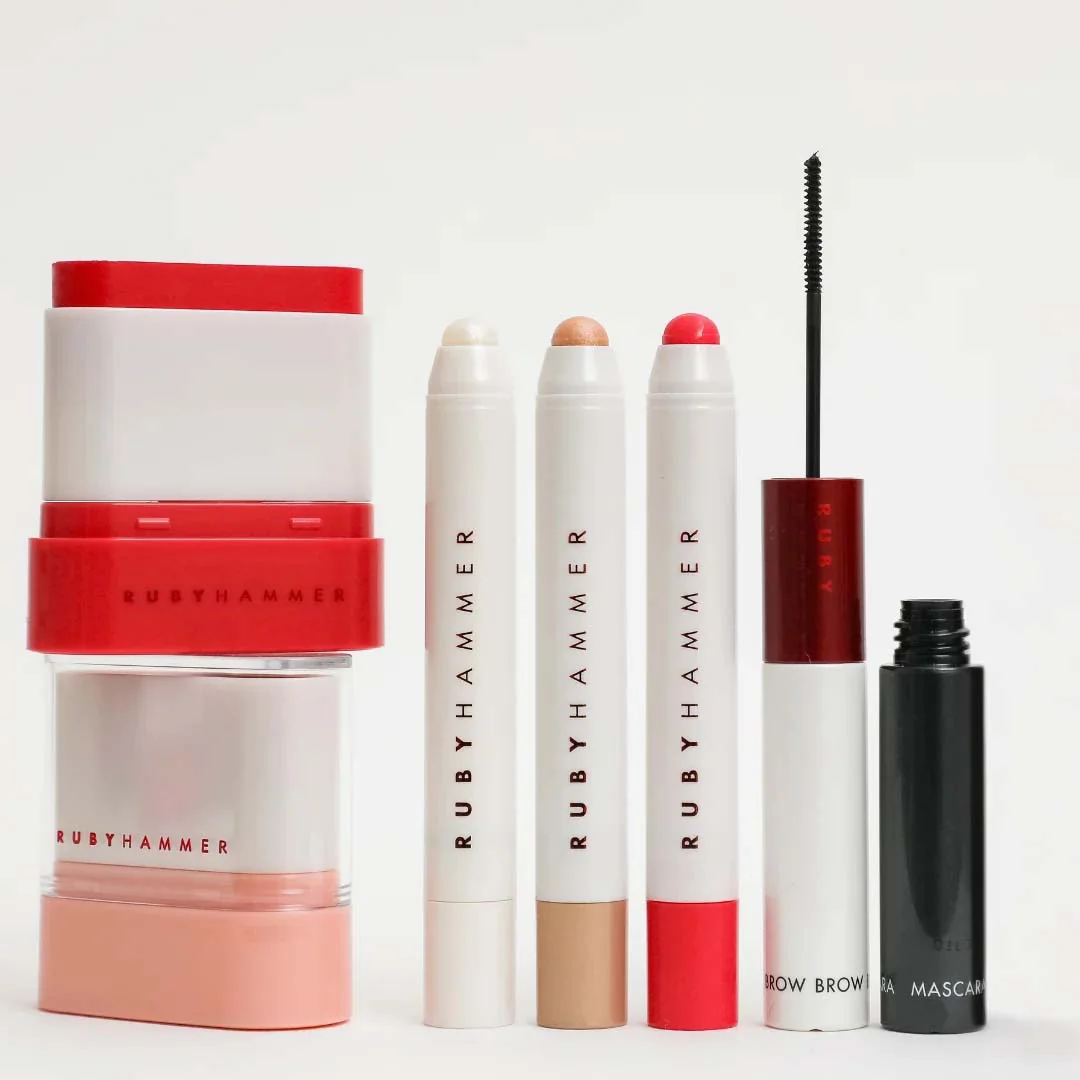
You later launched your current brand, Ruby Hammer Beauty. When did it launch, and what core values define the brand today?
I launched Ruby Hammer Beauty in 2019 out of a desire to simplify routine beauty. After decades in the industry, I wanted to cut through product clutter and deliver fast, effective formulas that fit seamlessly into real lives.
At the heart of the brand is the core philosophy of celebrating natural beauty. I have never believed in makeup that masks an individual's features or attempts to create uniform looks. Beauty should enhance, not alter. It is about highlighting your best features and feeling confident in your skin.
Quality, multi-functionality, and practical application are paramount. Every single stock keeping unit (SKU) must justify its place in a makeup bag. We focus on smart, multi-tasking formulas and intuitive application for every age, skin tone, and skill level. Whether someone has two minutes on the go or time for a full routine at home, the products are designed to be approachable and empowering. Ultimately, beauty should bring joy, not stress.
You have maintained a tightly curated product portfolio. Which products did you launch with and why? How do you approach new product development and timing?
I deliberately launched with a focused range to avoid adding to consumer fatigue. The market did not need another 50-shade foundation range just for the sake of market coverage. I launched with our Magnetic Brush Sets and Nail Kit. As a makeup artist, I know that application tools are foundational; the right tool renders application effortless. I wanted to design hygienic, customizable, and compact tools that eliminated the need for bulky brush rolls.
Then COVID hit, forcing me to pivot our entire strategy. The original plan was to launch our Lip Serum Balms next, but with everyone suddenly wearing masks every day, lip products didn't make sense. I shifted focus to launch our Eyeliners first to highlight the eyes. Once restrictions lifted, we introduced the Lip Serum Balms to provide deep hydration paired with a subtle, wearable wash of color.
My approach to expanding the line comes down to adaptability and purpose. Every product must solve a real problem, fit into how people live right now, or fill a genuine gap in my artist kit. I am not interested in chasing fleeting social media trends. I look at what consumers actually need to simplify their daily routines and ask whether I can create the definitive version of that item. If a concept fails to meet every single one of those criteria, it does not get made.
When developing products, do you deliberately aim for universal appeal?
It is completely instinctual for me. Whether working on set as a makeup artist or developing products for retail, my priority is always to create textures, shades, and formulas that work across diverse skin tones.
I dislike single-purpose products that cater to only a narrow group. During formulation and design, I constantly ask how a product can work harder for the consumer. Can a lip serum balm deliver a wash of color that flatters every skin tone while doubling as a quick cream blush on the go? Can a tool be intuitive enough for a total beginner yet precise enough for a seasoned professional?
Consumers lead busy lives and do not want makeup bags weighed down by single-use items. Focusing on versatile shades, adaptable textures, and multifunctional design gives people the freedom to experiment without fear of making a mistake. Beauty should be effortless, flexible, and genuinely accessible.
As a female founder of South Asian heritage, what key challenges have you faced, do they still exist, and what structural changes would you like to see?
Building a self-funded brand in a highly competitive market means facing daily commercial battles. While my South Asian heritage is an integral part of my story, the biggest hurdles stem from the stark realities of independent entrepreneurship. The beauty market is crowded and fast-moving, and building a business from the ground up on your own capital is inherently tough.
Without corporate backing or massive venture marketing budgets, self-funded founders carry all the financial risk. Even as beauty capital returns as investors shift focus to long-term innovation, women in business must continuously prove their commercial viability, negotiate harder, and compete against private equity-backed rivals. It requires immense sharpness, resilience, and discipline with every operational decision.
Looking ahead, the industry needs to move beyond token representation toward tangible backing for independent, female-led innovation. While incubator cohorts like Sephora Accelerate highlight emerging founders, true industry-wide change requires fairer funding opportunities, retail distribution pathways, and long-term capital for entrepreneurs who prioritize product integrity and real consumer needs over short-term trends.
Conversation
0 Comments