
Wellness M&A Accelerates as CPG Giants Target Science-Backed Brands
Major CPG conglomerates are driving a surge in wellness dealmaking, acquiring high-growth, science-backed supplement brands to tap shifting consumer habits.
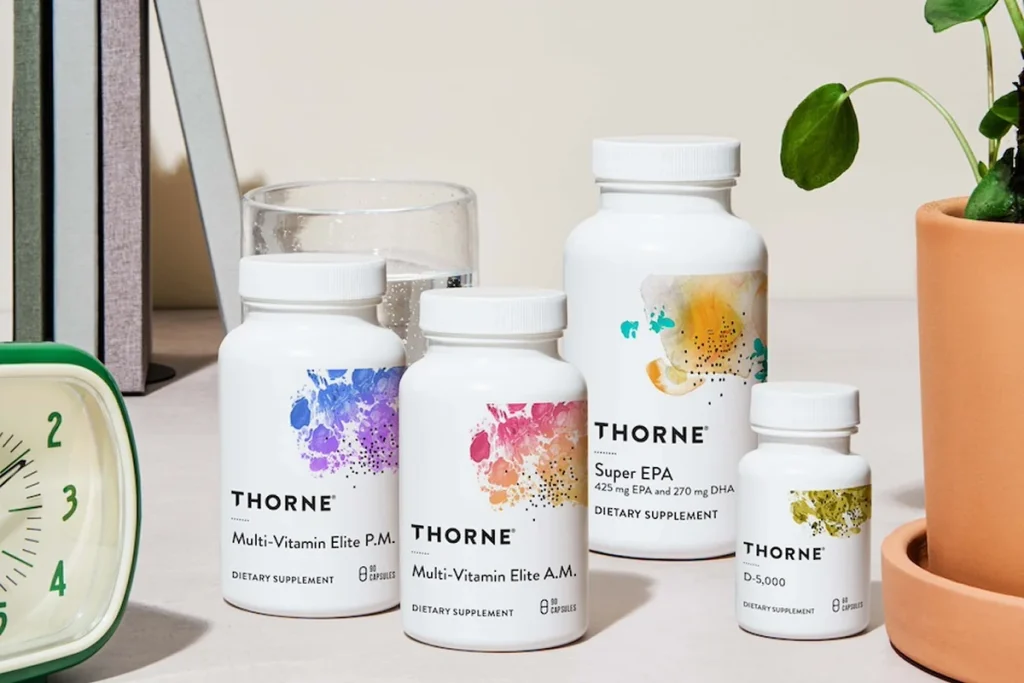
Acquisitions in 2026 are proving to be heavily centered on health and wellness. Procter & Gamble recently announced its acquisition of supplement brand Thorne for $3.8 billion, representing one of the largest brand acquisitions in a broader wave of high-profile deals across the wellness industry.
The transaction offers a clear signal that major consumer packaged goods (CPG) conglomerates are aggressively seeking science-backed, high-growth brands for their portfolios. This strategy comes as consumer priorities shift toward longevity, functional health, and the specialized nutritional needs of the expanding GLP-1 user base. Thorne's buyout follows other major supplement deals in 2026, including Unilever's earlier acquisition of three-year-old gummy multivitamin startup Grüns for an undisclosed sum. Meanwhile, investor appetite remains elevated as the premium supplement market accelerates alongside surging demand for daily health products.
P&G's acquisition comes after several corporate shifts for Thorne, which was founded in 1984. Following an initial public offering in 2021, the company was taken private by private equity firm L Catterton in a deal valued at $680 million. Thorne reported that its annual revenue exceeded $500 million in 2025.
Mike Ross, U.S. consumer markets deals leader at PwC, noted that strategic buyers are reshaping their product lineups around broader wellness consumption habits. "We're seeing CPG companies becoming much more intentional about what belongs in their portfolios, and just as importantly what doesn't," Ross said. This push is especially evident as GLP-1 adoption drives demand for high-protein, fiber-rich, hydration-focused, and portion-controlled nutrition.
As consumers alter their lifestyle habits, legacy CPG firms are re-evaluating assets that no longer fit these emerging priorities while competing to buy brands with proven, science-backed wellness credentials. "That's why we're seeing more divestitures of non-core assets alongside acquisitions that strengthen long-term positioning in health, wellness, and better-for-you categories," Ross said.
Corporate buyers remain focused on functional health categories, including longevity solutions, dietary supplements, and nutrition formulated specifically for GLP-1 users. This convergence of inner health and functional formulation mirrors broader industry movements where nutritional science and longevity are redefining core product categories.
Ross explained that investors view these developments as permanent behavioral shifts rather than transient wellness trends. A recent PwC report on GLP-1 consumer behavior highlights strong adoption across U.S. households, with GLP-1 drug penetration doubling over an 18-month period. Notably, 80% of current GLP-1 users—and 74% of past users—report creating self-directed wellness routines using a combination of targeted supplement products.
Beyond baseline revenue growth, strategic buyers are prioritizing target companies with an established presence across e-commerce, drug, and club retail channels. Ross pointed out that first-party consumer data has become a critical value driver. As artificial intelligence reshapes product discovery and shopping journeys, brands maintaining direct consumer relationships command significant acquisition premiums.
"It is no longer just about whether a product sells on a shelf; it is whether the brand shows up in an AI-generated shortlist, a social commerce feed, or a subscription basket," Ross said, pointing to fast-growing digital-native brands like Thorne and Grüns as prime examples.
Rachel Hirsch, founder and managing partner at Wellness Growth Ventures, views the current deal activity as a natural consequence of market conditions. She cited modern dietary challenges, including reduced access to affordable whole foods and an over-reliance on convenient processed options, as key drivers of consumer demand for supplementation.
Combined with rapid GLP-1 adoption, Hirsch expects demand for dietary supplements to expand further, directly driving M&A volume. She emphasized that multi-billion-dollar price tags reflect a structural transformation in the category: as supplements become essential daily health products, strategic acquirers are willing to pay premium valuations for scaled, trusted assets.


Conversation
0 Comments