Small-Batch Demand Pressure Squeezes Margins for Beauty Manufacturers
As beauty brands demand fast-turnaround, small-batch orders, cosmetics manufacturers face rising fixed costs, forcing a shift toward flexible production.

Across the cosmetics industry, the timeline for bringing a beauty product from concept to store shelves—and from viral hit to obsolescence—is shrinking rapidly.
Data from Alibaba's wholesale B2B platform 1688 illustrates this supply chain shift. In the first quarter of 2026, inquiries for customized small-batch personal care items surged 142% year-over-year, with co-branded and IP-licensed products accounting for more than one-third of the total. Search queries for sample sets, decanted packaging materials, and custom trial sizes jumped 210% over the same period.
Demands from beauty brands have evolved from quarterly product launches to weekly or daily updates. This push for low-volume, multi-batch, and fast-turnaround production creates pressure that extends directly from live-commerce streaming studios to original equipment manufacturer (OEM) assembly lines.
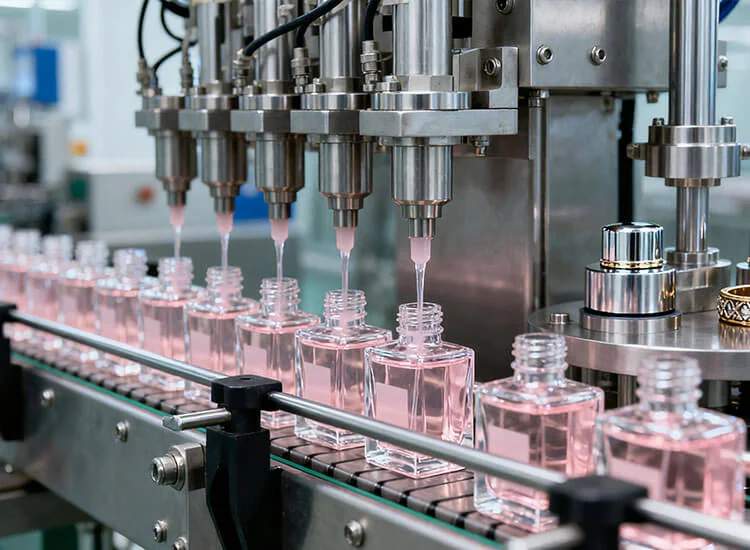
However, meeting these demands imposes significant operational costs. Cleaning, sanitizing, and retooling a cosmetics production line requires substantial labor and downtime. When order sizes drop from 10,000 units to 1,000 or 500 units, unit production costs rise exponentially. One plant executive noted that upfront preparation costs for running 1,000 units on a line are nearly identical to running 10,000 units, drastically reducing profit margins when order volumes shrink.
What began as a competitive advantage for market leaders has become an industry baseline, forcing contract manufacturers into a delicate balancing act between turn speed and operating costs.
Hero Product Lifecycles Shrink, Pressuring Factory Schedules
Accelerated market iteration does not signal the death of classic hero products, but it changes how they are developed.
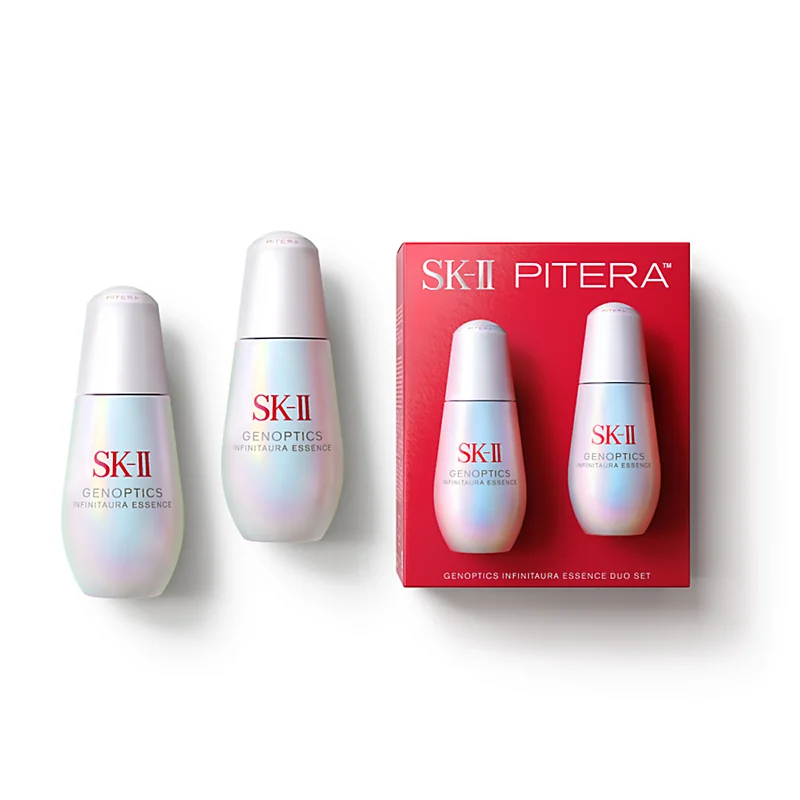
Iconic formulas like SK-II Facial Treatment Essence (launched in 1980), Estée Lauder Advanced Night Repair (now in its seventh generation since 1982), and Lancôme Advanced Génifique (in distribution for over 15 years) demonstrate that proven products retain long-term brand equity and margin contribution.
Yet launching a multi-decade bestseller is increasingly difficult today. Market saturation, fragmented consumer attention, and rising customer acquisition costs make long-lasting breakout hits less common. In response, brand launch strategies have pivoted from betting heavily on a single hero product to agile testing, data-driven iterations, and rapid reorders.
For contract manufacturers, this shifts order structures away from uniform large batches. Brands now prefer small initial test runs of a few hundred to a couple thousand units, reordering quickly if sales perform or cutting losses if they underperform. Successful formulas are then scaled up into standard production runs, leaving factories with a hybrid mix of small test orders, fast reorders, and baseline volume runs.
Fragmentation Drives Up Fixed Costs
Translating brand requirements to the factory floor presents clear operational hurdles.
The first challenge is line setup cost. Fixed overhead for cosmetics lines—including equipment sanitation, sterilization, calibration, and worker scheduling—remains static regardless of batch size. According to a 2026 industry report by Packaging World, packaging production costs for cosmetic orders below 5,000 units average 1.5 to 2 times higher per unit than orders exceeding 10,000 units. When brands reduce orders to 1,000 or 500 units, manufacturers must either raise prices or absorb the added cost.
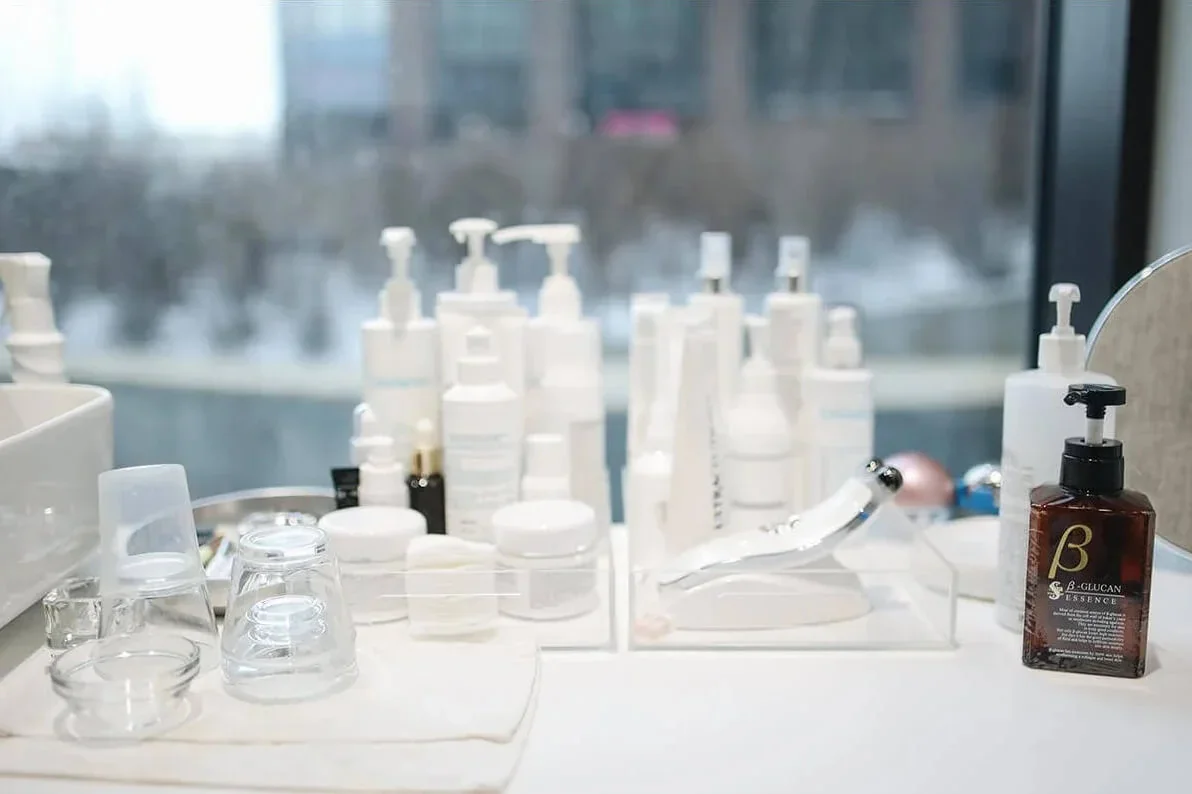
The second hurdle involves minimum order quantities (MOQs) for packaging. Custom bottle molds and specialized box printing carry high setup costs. Industry research indicates that most packaging suppliers require minimums of 500 to 1,000 units per SKU for custom folding cartons, while injection-molded plastic components often carry MOQs between 5,000 and 10,000 units. Contract manufacturers face a dilemma: stock surplus packaging inventory at the risk of write-offs if a product fails, or turn down small-batch orders. Traditional packaging minimums of 3,000 to 5,000 units present significant inventory and capital risks for emerging brands testing the market.
Third, raw material price volatility and compliance present ongoing challenges. Global market factors drove price fluctuations across plant extracts and base oils throughout 2025 and 2026. With short-term, fragmented orders, contract manufacturers cannot easily hedge costs through advance bulk purchasing. Additionally, substituting core raw materials due to supply shortages requires updated safety assessments and regulatory filings, taking weeks and conflicting with fast-turnaround schedules.
Flexible Solutions: Modular Lines and Lower MOQs
These market dynamics are driving operational shifts across the contract manufacturing sector.
Major original design manufacturer (ODM) Nox Bellcow, operating under parent company Greenpine, has built a flexible production model. According to Greenpine's July 2026 financial update, the company projected first-half revenue of 1.107 billion yuan ($153.2 million), an 18.16% year-over-year increase, alongside an 82.43% surge in net profit to 122.57 million yuan ($17.0 million), supported by recovery in cosmetics manufacturing orders.
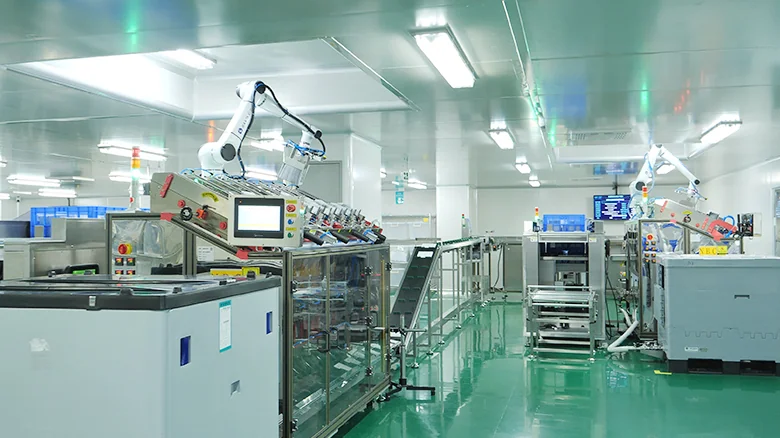
Nox Bellcow supported this growth by reconfiguring its production lines into 15 independent modules, lowering minimum order quantities for skincare to 500 units and cutting delivery cycles to 7 days. The company utilizes integrated ERP, WMS, MES, SFC, APS, and PLM digital management systems. With over 15,000 established formulations in its database, the factory processes thousands of raw material and packaging compatibility checks daily, balancing large-scale contract orders with rapid small-batch production.
Guangzhou Quanya International, which focuses on hair and body care, has adopted a targeted approach for standardized categories. Through line upgrades and process modularization, the company set general body care order minimums at 3,000 units while reducing MOQs for everyday products like body washes and conditioners to 1,000 units. The facility offers 7-day sampling and 15-day batch delivery, using cleanroom production and AI-assisted formulation tools to shorten setup times for emerging personal care brands.
A Step-by-Step Path for Small Factories
While market leaders invest in full-scale digital facilities, smaller contract manufacturers often face capital constraints that make multi-million-dollar automation upgrades impractical. For these facilities, incremental operational changes offer a pragmatic path forward.
First, manufacturers are adjusting order scheduling logic. Instead of prioritizing large static orders, factories are setting up dedicated flexible lines specifically for low-volume runs or collaborating with regional peer facilities to pool production capacity and share tooling costs.
Second, factories are restructuring packaging sourcing. Rather than carrying inventory risk alone, manufacturers are coordinating with suppliers to offer standardized packaging templates across multiple brand clients. On 1688, over 200 beauty packaging suppliers now specialize in agile supply models, offering packaging MOQs starting at 300 units compared to traditional minimums of 3,000 to 5,000 units.

Third, manufacturers are introducing agile workflows incrementally, testing small-batch models on high-turnover, simple-process product categories before expanding flexible setups across broader lines.
Contract manufacturing in 2026 is increasingly defined by supply chain integration rather than standalone plant capacity. Industry leaders are establishing shared production hubs, consolidating raw material procurement, and leveraging regional supplier clusters to manage turnaround times and operational expenses.
Balancing Speed and Cost in Contract Manufacturing
Contract manufacturers are utilizing distinct strategies to manage turnaround speed against production expenses.
Nox Bellcow relies on high baseline volume to offset digital infrastructure investments, using flexible lines for agile orders. Guangzhou Quanya leverages modular workflows and specialized software to lower MOQs and delivery times. Smaller facilities are leaning on regional industrial clusters, capacity sharing, and group purchasing to control costs.
According to market research firm Global Info Research (GIR), global cosmetics OEM and ODM market revenue reached approximately $32.63 billion in 2025. While overall market revenue continues to expand, growth is increasingly concentrated in short-run, fast-iteration product categories.
Traditional facilities structured exclusively for high minimum order volumes face declining order volume, similar to how legacy beauty manufacturers facing financial pressure have struggled to maintain market relevance. Meanwhile, contract manufacturers that successfully integrate flexible small-batch turnaround with disciplined cost management are securing their position in the evolving beauty market.


Conversation
0 Comments