Pechoin Partners with Top Hospital to Pivot Chinese Skincare to Clinical Research
Chinese heritage beauty brand Pechoin has partnered with Huashan Hospital to pioneer clinical-grade co-research, shifting the market from ingredient hype...

As ingredient hype and conceptual marketing lose their competitive edge in China's beauty market, a fundamental question emerges: How can domestic brands build a sustainable moat of true scientific professionalism?
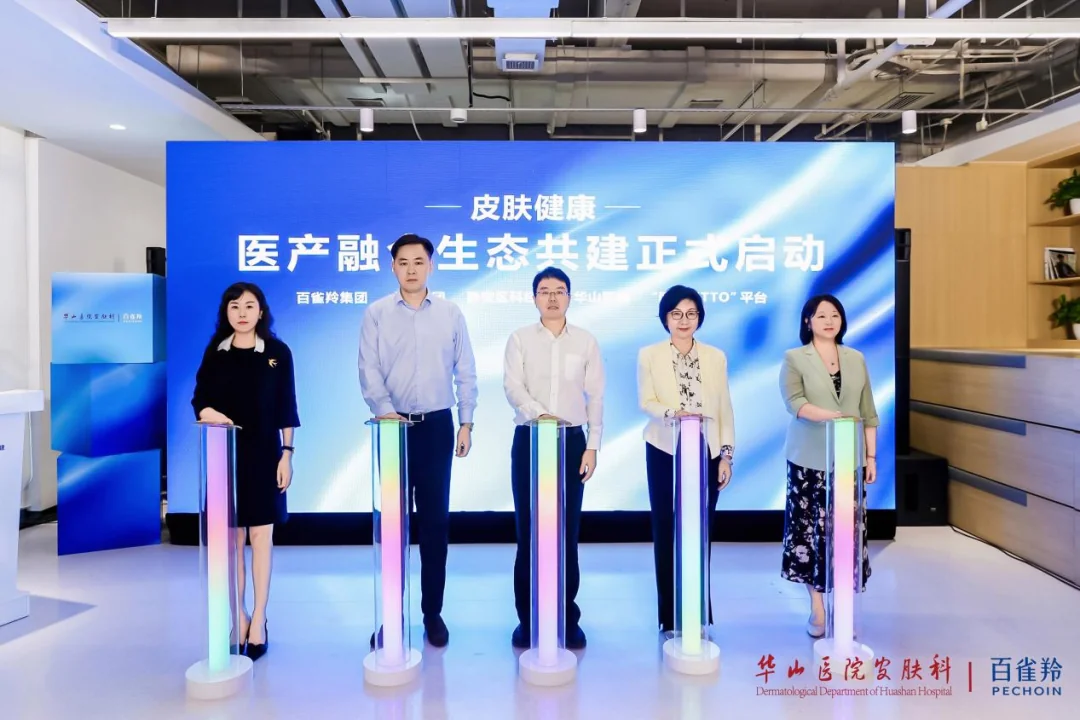
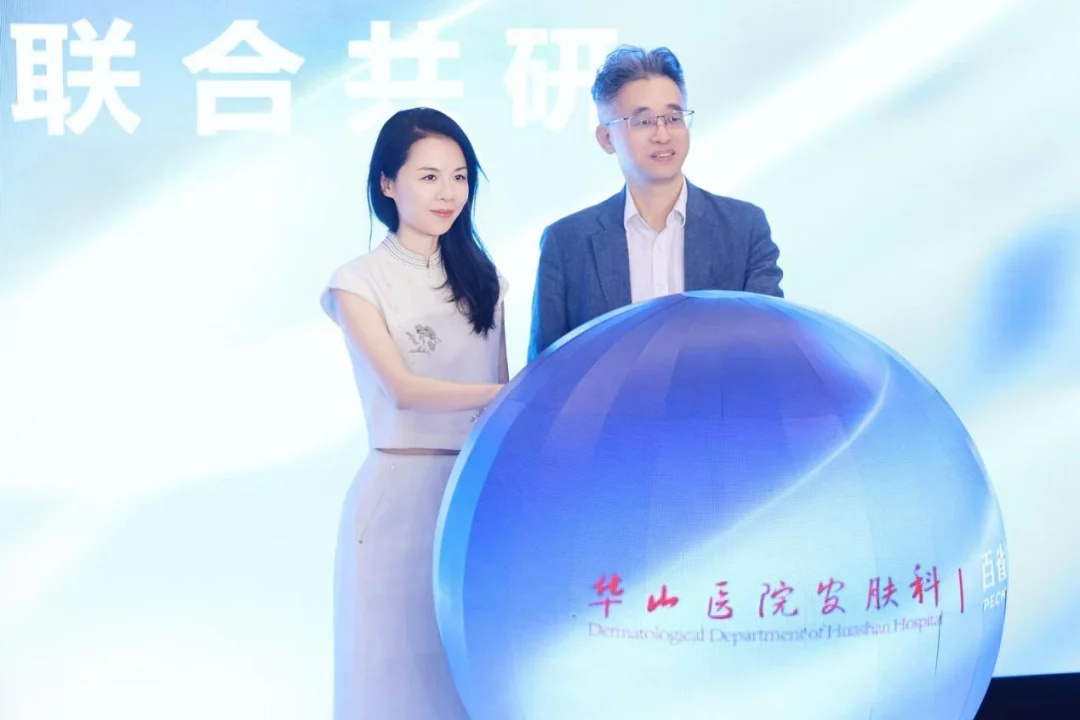
Recently, at the "Meichuang Jingjie" innovation hub in Shanghai's Jing'an District, a landmark partnership answered this question. Pechoin, one of China's most historic cosmetics brands, and the Department of Dermatology at Huashan Hospital (affiliated with Fudan University) held a signing ceremony to launch a deep, long-term co-research initiative focused on cutting-edge dermatology and clinical translation.
At the same time, a broader skin health medical-industrial integration ecosystem was launched, co-founded by local government bodies, the regional Technology Transfer Office (TTO) platform, Huashan Hospital, and Pechoin.
Why it matters: For global beauty players, this partnership highlights a major evolution in the Chinese market. Local legacy brands are moving beyond simple "ingredient storytelling" to build deep scientific credibility through direct collaboration with top-tier clinical institutions, challenging multinational giants on clinical efficacy and medical-channel authority.
From an industry perspective, this partnership signals a clear transition: the battleground for Chinese skincare is shifting from front-end ingredient marketing to back-end clinical translation efficiency. In making this move, Pechoin—founded in 1931—has chosen a path with the deepest competitive moat, but also the highest barrier to entry.
A Century-Old Meeting: Unreplicable History and Scientific Depth
The Chinese cosmetics industry has never lacked marketing narratives, but it often lacks the barriers built by time.
Huashan Hospital's dermatology department, founded in 1929, has ranked first nationally in its specialty for 15 consecutive years, treating over 2 million outpatients annually. It is widely recognized as a premier clinical and research institution both in China and internationally.
Pechoin, established in 1931, has grown over nearly a century into a flagship Chinese beauty brand with a complete R&D system, a multi-brand portfolio, and full supply chain capabilities. In 2025, Pechoin won the IFSCC (International Federation of Societies of Cosmetic Chemists) Young Scientist Award for the third time, making it one of the few beauty brands globally to achieve this honor thrice.
The fascinating intersection of their histories lies in their parallel journeys: while Pechoin was refining formulations in the lab, Huashan Hospital's dermatologists were analyzing millions of real-world skin cases in clinics. One focused on how to make skin beautiful, while the other studied why skin issues occur. After nearly a century on separate paths, their expertise has finally converged.
By bridging nearly a century of heritage, Pechoin is securing more than just a commercial position; it is establishing a historic milestone in scientific authority.
From Pathology to Care: A Difficult but Right Scientific Path
A key milestone of this partnership is their joint research on the "Super Protein" (Chao Danbai) project.
Unlike the common industry practice of simply sourcing off-the-shelf ingredients, Pechoin and Huashan Hospital are adopting a rigorous "pathology-to-care" methodology. This approach starts with clinical skin pathology, analyzing barrier damage mechanisms and inflammatory pathways under specific skin conditions. It then screens and validates active ingredient combinations, refines them through clinical feedback, and ultimately scales them into commercial product formulations.
This methodology birthed the "Super Protein" project, shifting the competitive landscape of Chinese skincare from "who uses the most ingredients" to "who understands skin biology the deepest."
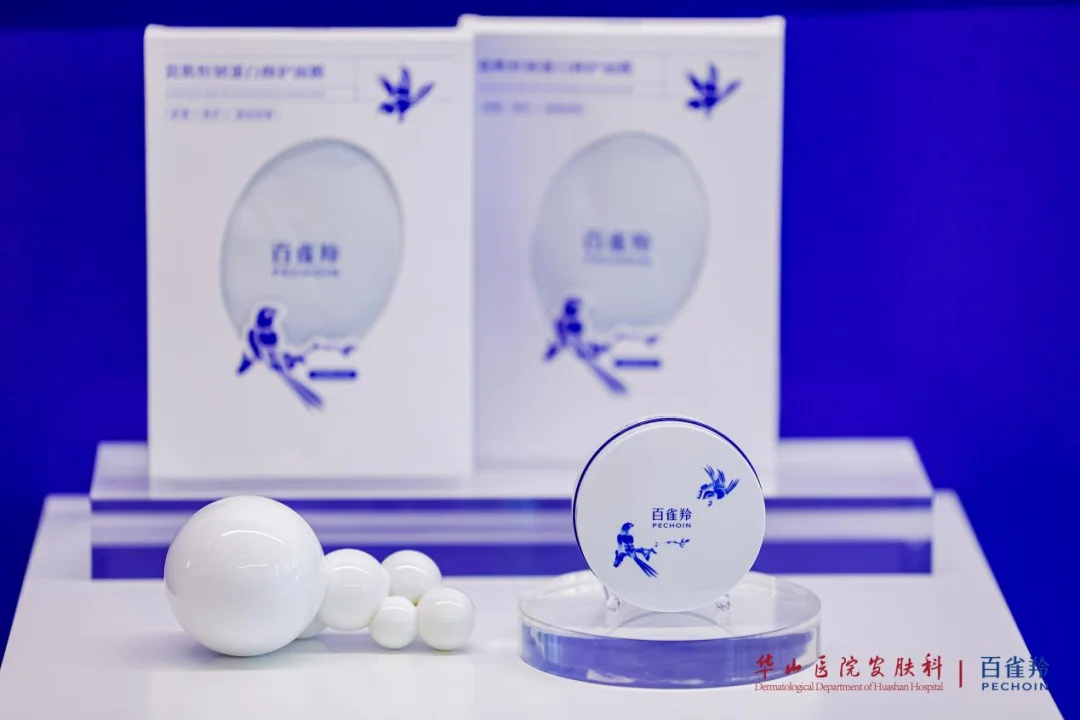
According to Pechoin, the "Super Protein" project has completed its full medical research loop, with academic publications and subsequent product pipelines currently underway.
Trading Time for Barriers: Why Pechoin is Doubling Down on Clinical Research Now
Looking at the bigger picture, Pechoin's partnership with Huashan Hospital is not an isolated event. It represents the inevitable transition of its brand strategy from "image upgrading" to "core scientific upgrading."
Over the past few years, Pechoin focused heavily on brand youthfulness—updating packaging and launching cross-industry collaborations to make the brand look modern. Today, the core question the brand must answer is: Is the brand truly professional?
As consumers evolve from "ingredient geeks" to "clinical-efficacy purists," and as traffic-driven sales give way to repeat purchases, the efficacy skincare segment is rapidly shifting toward clinical-grade validation. International premium skincare brands maintain high price premiums not because their raw materials are inherently scarcer, but because they possess decades of accumulated clinical data and medical-channel authority.
This shift is visible across the wider Chinese market. For instance, legacy giant Shanghai Jahwa has also been leveraging clinical skincare brands like Yuze to capture this growing consumer demand for medical validation and professional authority.
By establishing a long-term co-research mechanism with Huashan Hospital, Pechoin is choosing to trade time for deep competitive barriers. Rather than a single-project contract, the two parties signed a long-term strategic agreement, ensuring Pechoin has a continuous, stable stream of clinical insights for future product development.
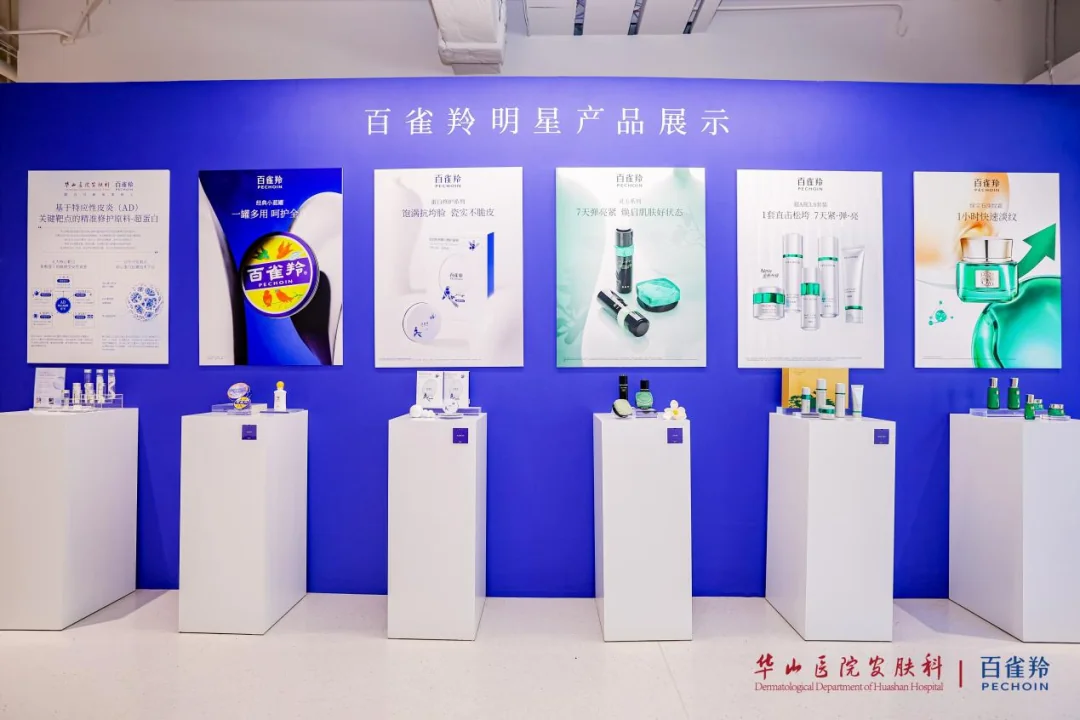
This "front-loaded R&D" model will significantly shorten the proof-of-concept cycle from basic research to market launch, while reducing the trial-and-error costs of misaligned technical routes.
For the Chinese beauty industry, Pechoin's iconic "little blue tin" cream kickstarted the skincare memories of an entire generation 95 years ago—representing a creation "from nothing to something." Today, Pechoin's clinical co-research redefines the professional height of domestic skincare, marking a transition "from scale to precision."
By combining nearly a century of history, pathology-to-care research depth, and a core scientific strategy, this partnership is far more than a standard industry-university collaboration. It is a solemn commitment to scientific professionalism from a heritage brand at its century milestone.

Conversation
0 Comments