America's Quiet Beauty Giants: Eleven Brands Hitting Nine-Figure Sales Without the Hype
While viral moments and celebrity endorsements dominate beauty industry coverage, a new cohort of American brands is quietly amassing serious scale through...

Not every beauty brand posting multi-million dollar sales is a viral sensation or a celebrity-backed household name. Some of today's most successful and profitable brands build quietly — securing wide distribution, closing sizeable funding rounds, and even exiting — without ever trending on social media. It's a dynamic that mirrors the broader shift playing out across the industry, where indie beauty brands surpass $500 million on TikTok Shop by solving everyday consumer problems rather than chasing hype. Beauty Independent checked in with 11 beauty and personal care brands that are consistently hitting impressive milestones, some of which may genuinely surprise you.
1. Athena Club
Athena Club has carved out a distinctive position in the grooming category, starting with razors and expanding into body care essentials — and, most recently, fragrance. That move makes it the first razor-native brand to successfully cross over into body and fragrance at mass retail. The brand is on track to hit $120 million in sales this year, driven largely by a strong partnership with Target.
Average yearly sales: Anticipated to reach $120 million in 2026, a 300% increase
Number of products: 23 products and more than 75 total SKUs, all priced under $20
Key retailers: Target, Walmart, VS, Wegmans, HEB, Hyvee, Amazon, Jean Coutu, TikTok Shop, athenaclub.com
Investors and funding: Privately held; has raised approximately $55 million across multiple rounds since its 2018 founding, including a $15 million Series A co-led by Cue Ball Capital in 2021
Best known for: Well-designed, highly functional razors
Future plans: Doubling down on what the brand calls its "DreamState of Body Care" — combining precise engineering, sensorial formulas, and luxury scents at accessible price points. This summer, Athena Club will debut two limited-edition scents and continue building out its scent wardrobe concept.
2. Bask & Lather
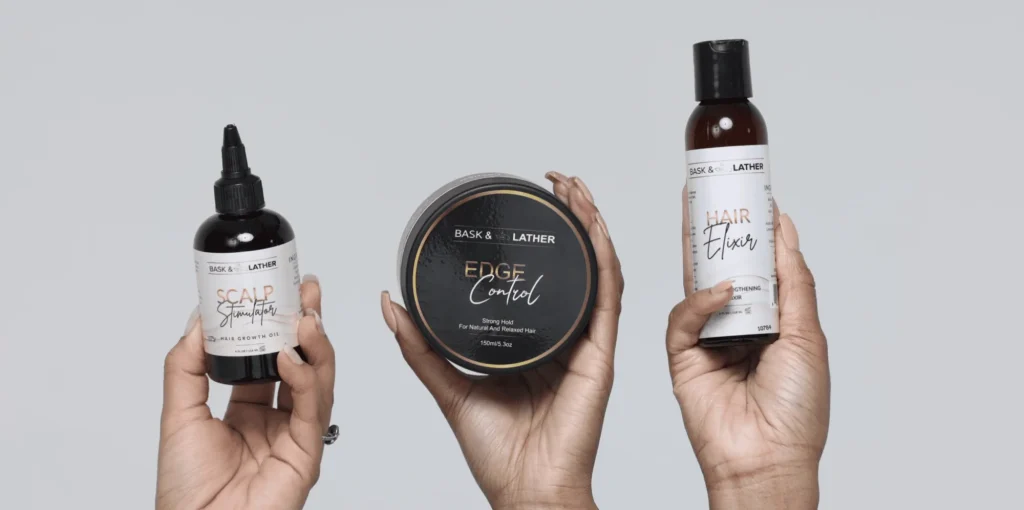
Founded in 2020 by board-certified nurse practitioner Shaina Rainford, Bask & Lather was born from a deeply personal story. When Rainford's younger sister developed a severe case of scalp ringworm that was initially misdiagnosed and ultimately led to complete hair loss, their mother formulated a natural oil blend to help regrow her hair. That home remedy became the foundation for the brand's hero products, all rooted in scalp care. Self-funded from the start, Bask & Lather scaled rapidly through organic social media and strong search rankings in the hair growth category, reaching six-figure monthly revenue within months of launch.
Average yearly sales: $100 million+
Number of products: 56, priced from $10 to $100
Key retailers: Amazon, TikTok Shop, Baskandlatherco.com
Investors and funding: N/A
Best known for: Scalp Stimulator Hair Growth Oil, Strong Hold Edge Control, and Hair Elixir Oil
Future plans: Global expansion
3. Beauty Creations
Founded and led by CEO Esmeralda Hernandez, Beauty Creations Cosmetics is a Latina-owned brand building a global footprint with cruelty-free, trend-driven makeup and skincare at accessible price points. Hernandez launched the brand after identifying a gap in the market for inclusive, quality products developed for a diverse audience at reasonable prices. The company posted $75 million in revenue in 2025 — with 22% top-line growth and 34% EBIT growth year-over-year — and is now expanding into 45 countries across the U.S., Mexico, Central and South America, and the Middle East.
Average yearly sales: $75 million in 2025; 22% top-line revenue growth and 34% EBIT growth year-over-year
Number of products: More than 2,000, all priced under $20
Key retailers: HEB, CVS, Walgreens, Miniso, Aruma, DBS, Trendy, Ulta, Watsons, beautycreationscosmetics.com
Investors and funding: None
Best known for: Trend-driven, cruelty-free, affordable makeup and skincare with Latina roots
Future plans: Beauty Creations launched in over 700 CVS doors this month.
4. Blossom Essentials
Blossom Essentials grew out of founder Sarah Vilenskiy's own struggle to find effective products for chronically dry and reactive skin. The dermatologist-approved, HRIPT-tested line is built around potent botanical extracts — including Manuka honey, sea buckthorn, and tremella mushroom — formulated to address the most common symptoms of dry, sensitive, and reactive skin. The Leaping Bunny-certified brand has seen a sharp sales surge fueled by a QVC partnership that has produced consistent bi-monthly sellouts.
Average yearly sales: $3 to $3.5 million projected in 2026, nearly 3x growth
Number of products: Nine, all $40 or less
Key retailers: QVC, Belk, ultabeauty.com, nordstrom.com, bloomingdales.com, BeautySpace in Walmart, C.O. Bigelow Apothecary
Investors and funding: $300,000 angel investor loan
Best known for: Affordable premium skincare for sensitive, irritated, and dry skin
Future plans: Significant QVC expansion in early 2027
5. Dazzle Dry
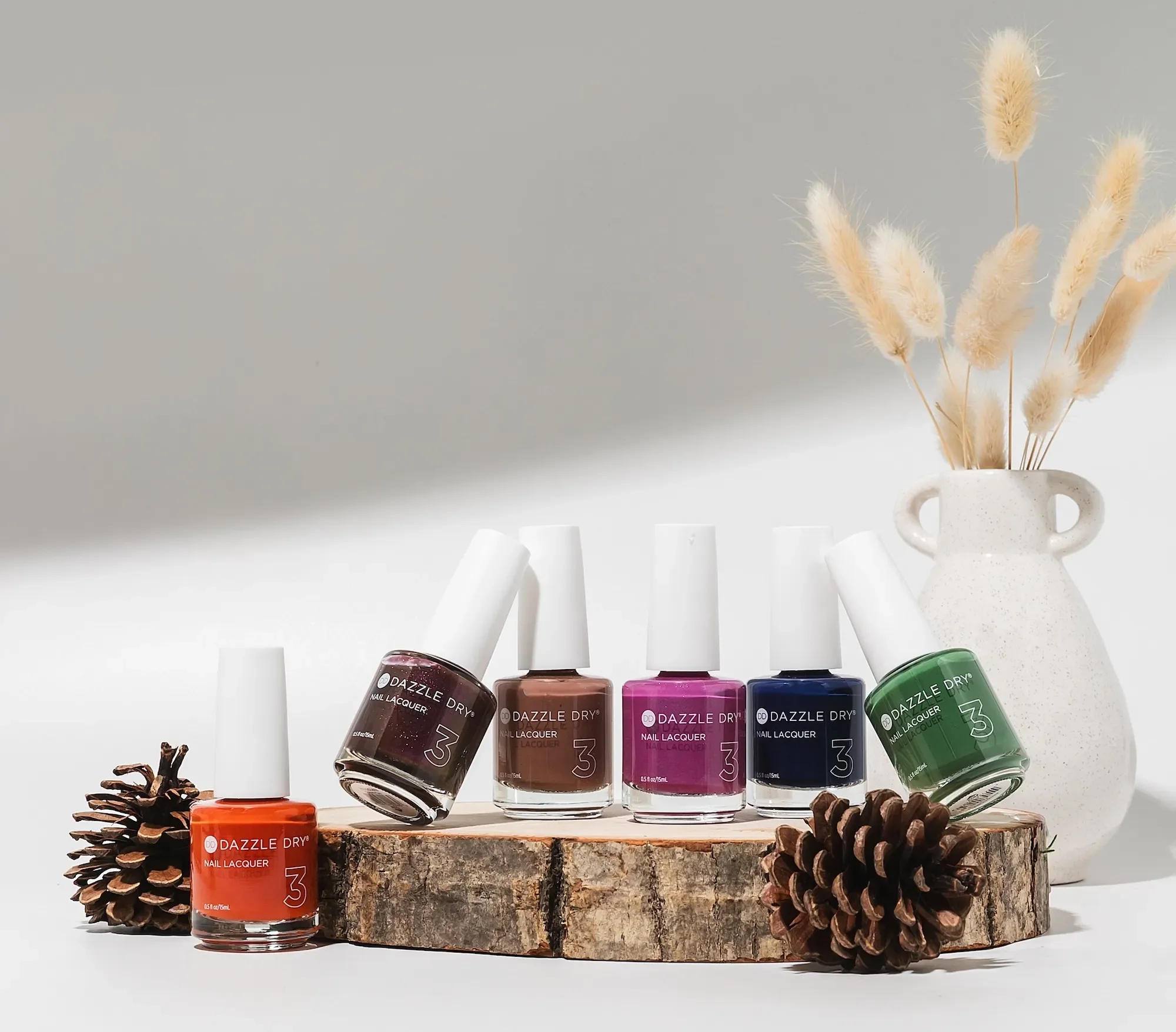
Dazzle Dry is one of the more genuinely innovative nail polish concepts to reach the market in years. Developed by a bio-organic chemist, it bills itself as the world's first non-toxic, vegan nail care system that dries in five minutes — no UV light, dryers, or fans required — and lasts up to two weeks. Positioned as a healthier alternative to both traditional and gel polishes, the formula is designed to strengthen natural nails while delivering a high-gloss, chip-resistant finish. The brand continues to post accelerating growth.
Average yearly sales: Expected to exceed $50 million in 2026; H1 2026 year-over-year growth exceeded 90%
Number of products: 219 nail lacquer shades and 470 total SKUs, priced from $12 to $48
Key retailers: Amazon, TikTok Shop, dazzledry.com
Investors and funding: Funded exclusively by its founders, with no outside capital
ide investment Best known for: Innovative four-part nail system that doesn't require UV curing Future plans: Expansion to new nail wellness-focused product categories, natural nail wellness treatments and select premium retail.
6. Dime
Master esthetician Baylee Relf and her husband, Ryan Relf, are the brains behind Dime, a skincare brand that takes a full-body approach to skin care and fragrance by blending clean formulations with everyday luxury. Even though the line is synonymous with clean yet effective brands that focus on long-term health, each of the 49 SKUs is accompanied by practical prices without comprising efficacy. Average yearly sales: $100 million Number of products: 49 priced from $18 to $48 Key retailers: Ulta, Amazon, dimebeautyco.com Investors and funding: Trilantic Capital Partners Best known for: Head-to-toe skin wellness products that are clean while being rooted in skin wellness Future plans: On May 31, Dime reduced pricing across 17 SKUs by an average of 20% as a permanent recalibration of what elevated, esthetician-founded, luxury skincare should cost.
7. Farmasi
In 2010, 75-year-old Turkish beauty and wellness company Farmasi shifted to a direct sales model, entering the US market in 2019. Farmasi's community-powered distribution model has allowed it to scale rapidly to over 50 countries. It is currently one of the fastest growing social selling infrastructures in the market and has evolved from a self-funded beauty and wellness startup into a $600 million global player. Average yearly sales: $610 million in revenue in 2025 with a projected $800 million in 2026. The brand is currently experiencing 50% year-over-year growth. Number of products: Hundreds of SKUs across color, skincare, haircare, personal care and wellness priced from $9 to $139 Key retailers: N/A Investors and funding: Self-funded and privately owned Best known for: Direct-to-consumer business that's supported by global social selling via a network of influencers and digital entrepreneurs. Future plans: Modernizing social selling channel, expanding community-driven experiences, events and activations, continued expansion into untapped global markets and the launch of a fitness and wellness app.
8. Grace & Stella
Founded in 2016 with a simple mission of creating feel-good skincare for everyone, Grace & Stella originally launched on Amazon, which served as its direct sales channel. Over the past decade, the brand gained a steadfast following via authentic consumer reviews and word-of-mouth recommendations. But it was their Energizing Gold Eye Masks, a favorite amongst reality stars, catapulted Grace & Stella into the spotlight. In 2021, Gravitiq, a leading global builder and operator of health, wellness, and beauty brands acquired Grace & Stella, scaling the Amazon-only business model into one with an omnichannel presence in the U.S. and Canada with international expansion coming soon. Average yearly sales: $100 million with 100% year-over-year growth Number of products: 13, priced from $13 to $45 Key retailers: Walmart, Target, CVS, Costco, Amazon, TikTok Shop, graceandstella.com Investors and funding: Acquired by Gravitiq in 2021 Best known for: Accessible masstige beauty products that offer feel-good moments at everyday prices Future plans: Expand into eye care and face care and enter travel retail.
9. Kitsch
The hair accessories first brand was founded by Cassandra Thurswell with $30,000 in savings when she was just 25. Today, the $500 million brand has evolved into a global powerhouse and far beyond product offerings that consist solely of hair ties offering elevated yet easy-to-implement beauty solutions that are made as sustainable as possible. Most recently, Kitsch expanded its product offering with shampoos and conditioners, which leveraged consumer feedback to identify how to create and position the products, with estimates of the product expansion to bring in about $100 million according to a WWD article. Average yearly sales: $500 million Number of products: Over 300, priced from $8 to $125 Key retailers: Over 20,000 retail locations in 27 countries, including Target, Ulta, Walgreens, Marshalls, Walmart, CVS, Amazon, mykitsch.com Investors and funding: Raised $2.5 million from 41 investors in 2023 Best known for: Viral hair accessories and heatless styling products.
10. Maëlys
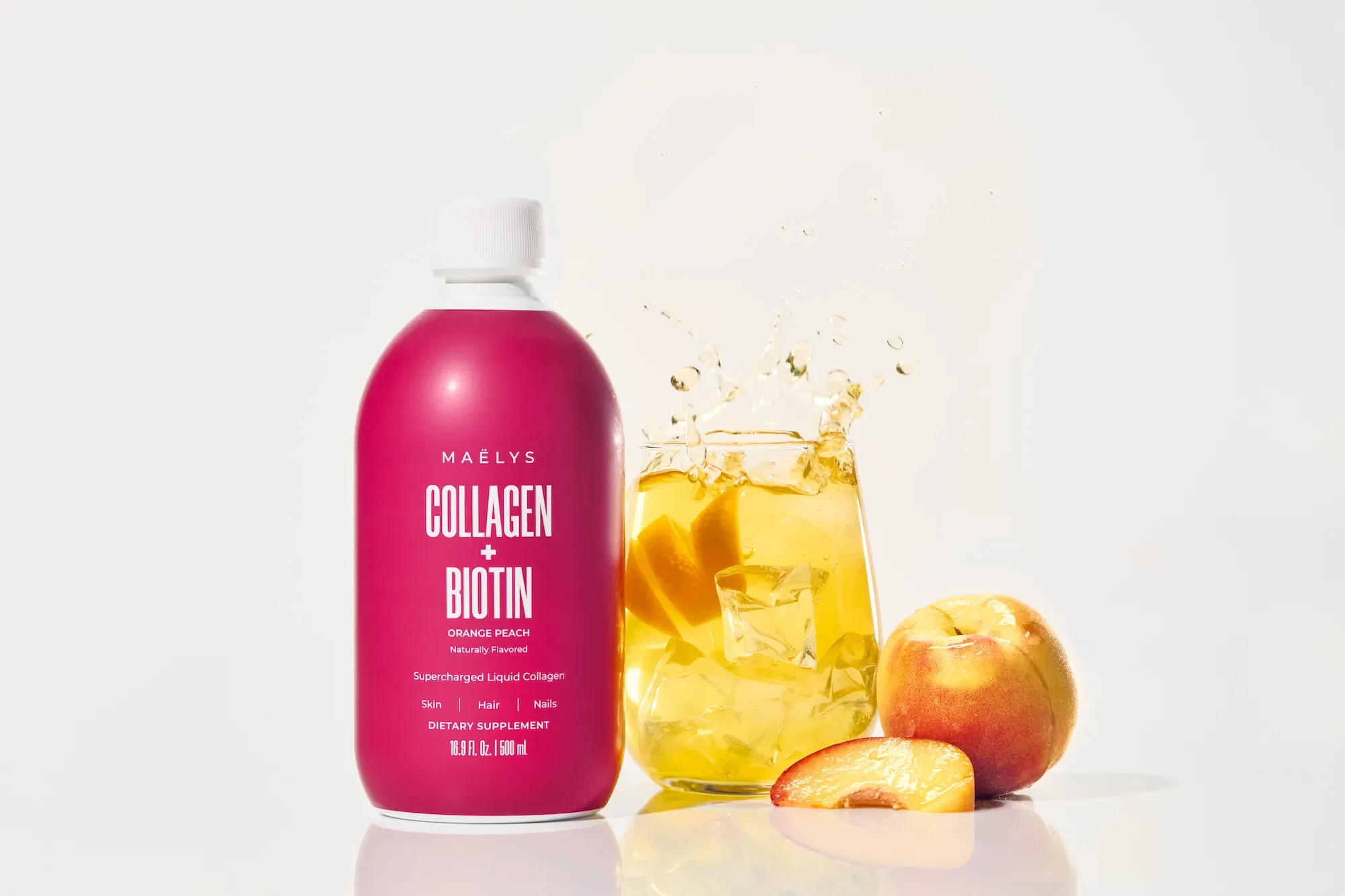
When Maëlys' co-founders noticed a significant gap in body care, the duo did do what any good entrepreneurs would do and set out to develop a solution. Offering more than just traditional body lotions, moisturizers, and body butters, the targeted and clinically proven solutions to target real skin concerns. Pairing unique textures with innovative ingredients allows Maëlys to offer a multitude of body care, each targeting a specific body part. Today, the brand's mission remains to deliver transformative solutions that nourish the skin while addressing real concerns such as cellulite, stretch marks and loose skin. Average yearly sales: $150 to $200 million estimated 2025 revenue Number of products: 20, priced from $35 to $69 Key retailers: Ulta, Amazon, TikTok Shop Investors and funding: $30 million in funding from Norwest Venture Partners, Barinboim Group, Leumi Partners in 2021 Best known for: A science-backed approach to body care, creating innovative solutions for real, often overlooked concerns Future plans: In addition to continue to lead the body care revolution globally, the brand will focus on innovation, which is central to their future growth strategy.
11. Nakery Beauty
Founded in 2022 by licensed esthetician and industry veteran Liz Folce, the results-driven, clean beauty brand focuses on addressing the underserved yet real-life skin and body care concerns and changes that women over 50 constantly navigate. Built on a "customer-first" philosophy, Nakery Beauty develops, often in collaboration with doctors and chemists, clinically tested, ingredient-conscious skincare, body care, haircare and wellness formulas. The brand also integrates consumer feedback into their products before they make their way onto shelves. Its capital-efficient growth story echoes that of brands like Sahajan, which scaled to nearly $12 million in revenue with just $2 million in outside investment before landing on Sephora Canada's shelves. This approach aligns with broader beauty industry trends where bootstrapped brands achieve significant scale. Average yearly sales: $20 to $25 million. Projected to grow by 35% in 2026 Number of products: Approximately 70, priced from $16 to $58 Key retailers: Amazon, Ulta, HSN, nakerybeauty.com Investors and funding: Bootstrapped company with no outside investors Best known for: Solving the beauty and body concerns of women 50+ Future plans: Aggressive growth across multiple product categories.
Conversation
0 Comments