Estée Lauder Cos. Posts 6 Percent Q4 Sales Growth on Regional Recovery
The Estée Lauder Cos. reported Q4 sales up 6% to $3.6B, beating Wall Street expectations as China revenue surged 12% and travel retail stabilized.

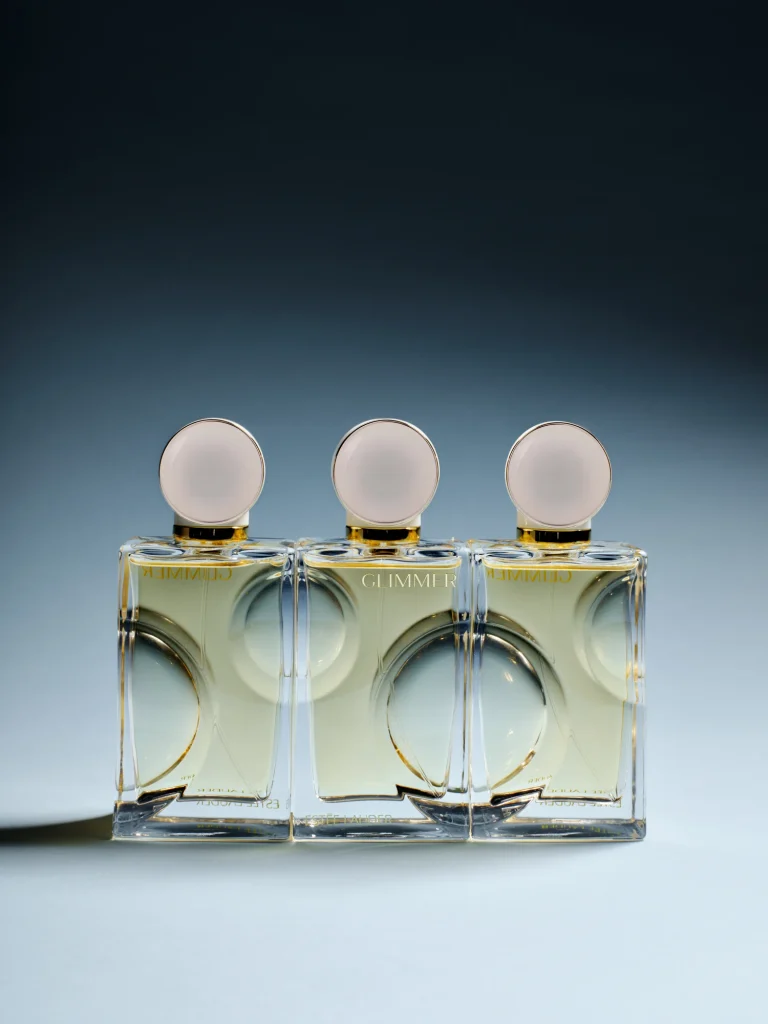
After a turbulent multi-year stretch, the operational turnaround at The Estée Lauder Cos. is gaining momentum. On Wednesday, the prestige beauty group—whose portfolio includes Clinique, Deciem, Bobbi Brown, and its namesake brand—reported a 6 percent increase in fourth-quarter net sales to $3.6 billion, driven by growth across all operating regions and exceeding Wall Street forecast of $3.54 billion.
Investors reacted favorably to the earnings beat, sending the company’s stock price up more than 16 percent to close at $98.01 on Wednesday.
For the fourth quarter, Estée Lauder reported a net loss of $116 million, or 32 cents per diluted share, marking a substantial narrowing from a net loss of $546 million, or $1.51 per share, in the prior-year period. On an adjusted basis, net earnings per share reached 39 cents, up from 9 cents a year earlier.
“We are growing again,” said Stéphane de La Faverie, president and chief executive officer of The Estée Lauder Cos., during a call with reporters. “We ended fiscal 2026 with our strongest quarter of the fiscal year, and one of the strongest quarters that we have had in many years, which gives me real confidence of where we are heading next. We have also fundamentally changed how we operate as a company.”
For full-year fiscal 2026, net sales rose 5 percent to $15 billion, generating net income of $517 million, compared to net sales of $14.3 billion and a net loss of $1.04 billion in fiscal 2025. By product category, skincare net sales grew 4 percent, led by strong demand for La Mer, The Ordinary, and Estée Lauder. Fragrance posted the strongest performance, surging 10 percent on robust sales from Le Labo, Tom Ford, and Kilian Paris. Hair care fell 1 percent due to ongoing softness at Aveda.
Makeup sales remained flat overall, as gains from MAC and Tom Ford were offset by revenue declines at Bobbi Brown and Too Faced. De La Faverie told analysts he intends to double down on accelerating the category. “We have some of the leading brands in makeup, starting with MAC. So, we are clearly planning to accelerate that business. We are also addressing the challenges we have had on some of the other brands in the past,” he said.
In July, the company confirmed it would retain Smashbox, Too Faced, and Dr.Jart+. While Estée Lauder never formally acknowledged putting the trio up for sale, it previously confirmed hiring advisers to review portfolio options. As part of plans to rebuild brand equity, management is relocating Too Faced operational leadership from California to the group's central makeup division in New York.
With Jo Malone London and Tom Ford crossing key revenue thresholds, Estée Lauder expanded its roster of billion-dollar brands to six during fiscal 2026. Geographically, the group stabilized performance across core regions, posting 1 percent net sales growth in the Americas and a 12 percent rebound in mainland China after navigating prior sales headwinds.
Travel retail now represents 15 percent of total revenue, down from roughly 28 percent in 2021. De La Faverie reported that global travel retail returned to positive sales growth in June and July for the first time in three years, supported by airport traffic recovery in China and increased passenger volumes across the Asia-Pacific region. Maintaining travel retail at roughly 15 percent of total sales aligns with management's target to lower overall channel risk.
For fiscal 2027, Estée Lauder forecasts net sales growth of 3 to 5 percent, expecting stronger momentum in the first half alongside sustained expansion in fragrance and skincare, and a return to growth in makeup for the full year. Full-year adjusted operating margin is projected between 12.7 percent and 13.5 percent.
TD Cowen analyst Oliver Chen noted that market focus is shifting toward whether earnings acceleration can be sustained into fiscal 2027 and 2028. The commentary reflects broader industry dynamics highlighted in key takeaways from global beauty’s first-half earnings reports, where analysts examine North American sales durability, China comparison benchmarks, makeup recovery trajectories, and long-term margin potential.
On M&A strategy, following the end of merger discussions with Puig in May, de La Faverie reiterated that Estée Lauder remains open to disciplined acquisitions that complement its brand portfolio, support geographic diversification, and enhance shareholder value at compelling valuations.
Addressing tariff impacts, Estée Lauder submitted reimbursement claims for eligible duties paid during the fourth quarter and began receiving refunds, recording a $38 million cost-of-sales credit that helped offset a full-year gross tariff expense of $102 million.



Conversation
0 Comments