
Shiseido Research Suggests Cilantro Extract Selectively Clears Aged Skin Cells
Shiseido's laboratory research reveals that cilantro fruit extract may selectively eliminate senescent skin cells and boost collagen production.
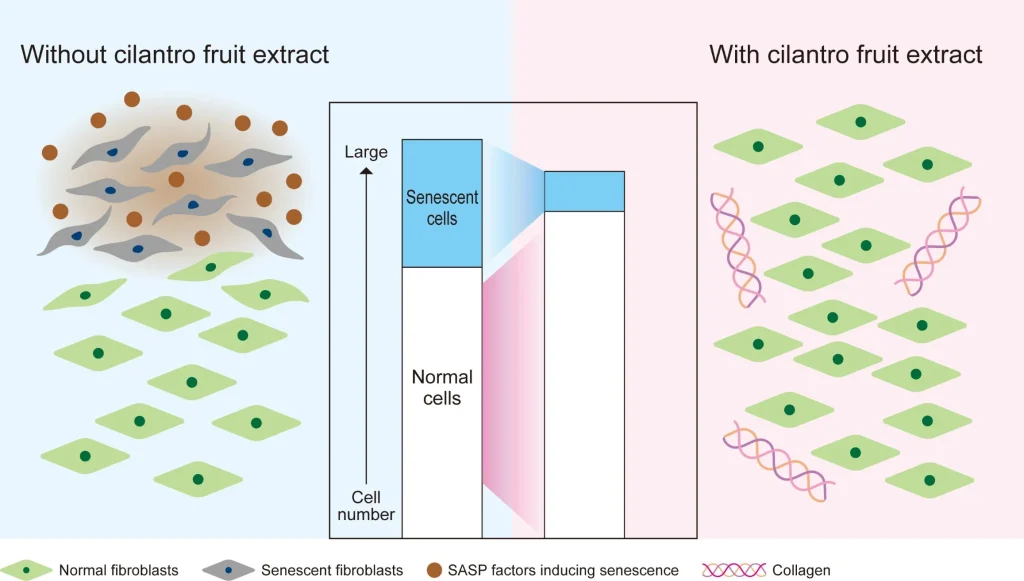
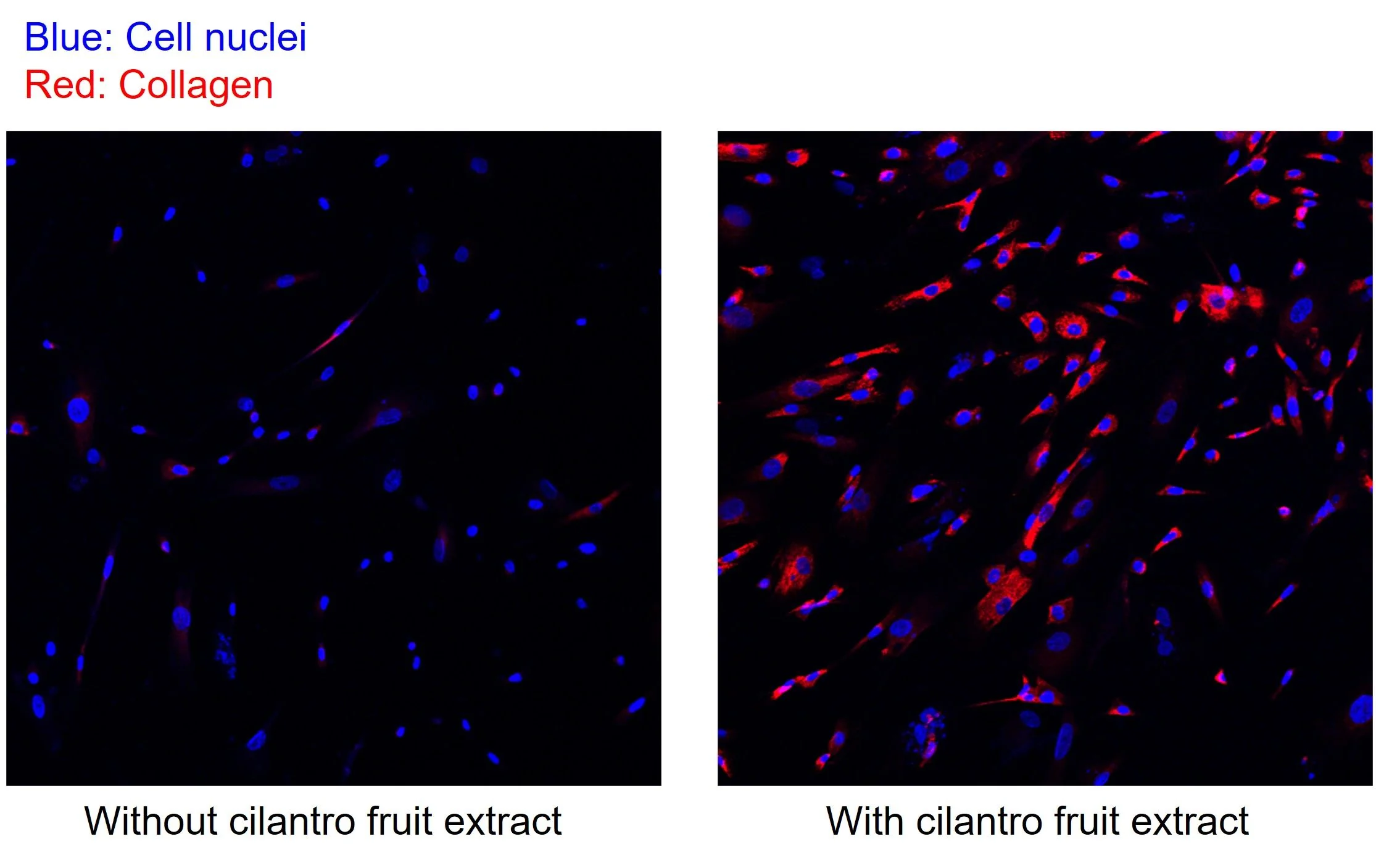
Shiseido has identified a potential dual action of cilantro fruit extract: reducing senescent skin cells while increasing healthy cells and promoting collagen production.
Why It Matters: As the global beauty industry increasingly focuses on longevity and "senolytics"—ingredients that target and clear aged, dysfunctional cells—this research represents a significant step forward in high-performance, science-backed skincare. If commercialized, cilantro fruit extract could offer brands a novel, natural active ingredient to address structural skin aging at the cellular level.
The Japanese cosmetics giant stated that these findings stem from more than two decades of research into skin and hair regenerative medicine. Researchers specifically examined the effects of cilantro fruit (Coriandrum sativum) extract on dermal fibroblasts, which are the essential cells responsible for producing structural components in the skin’s dermis.
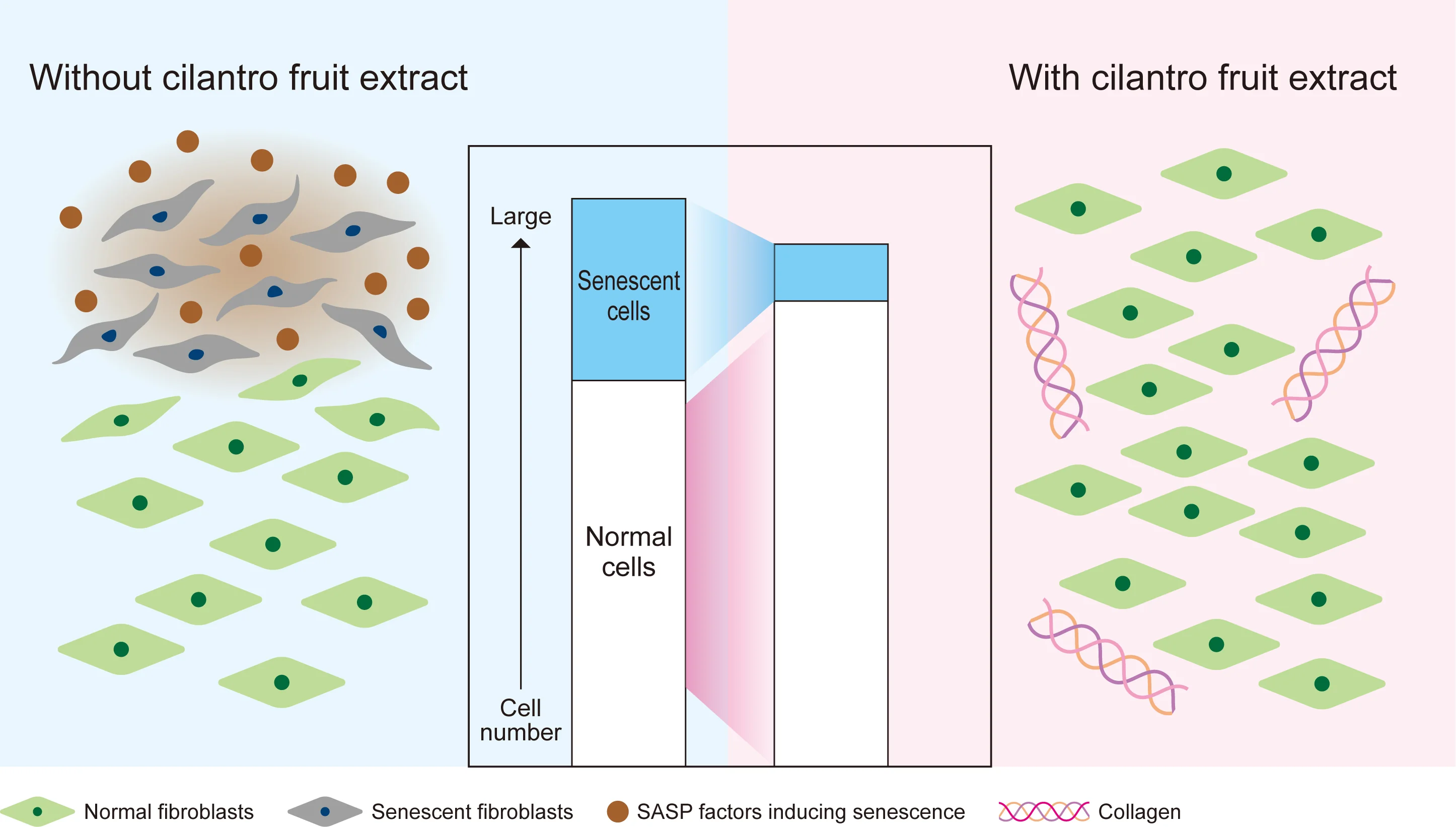
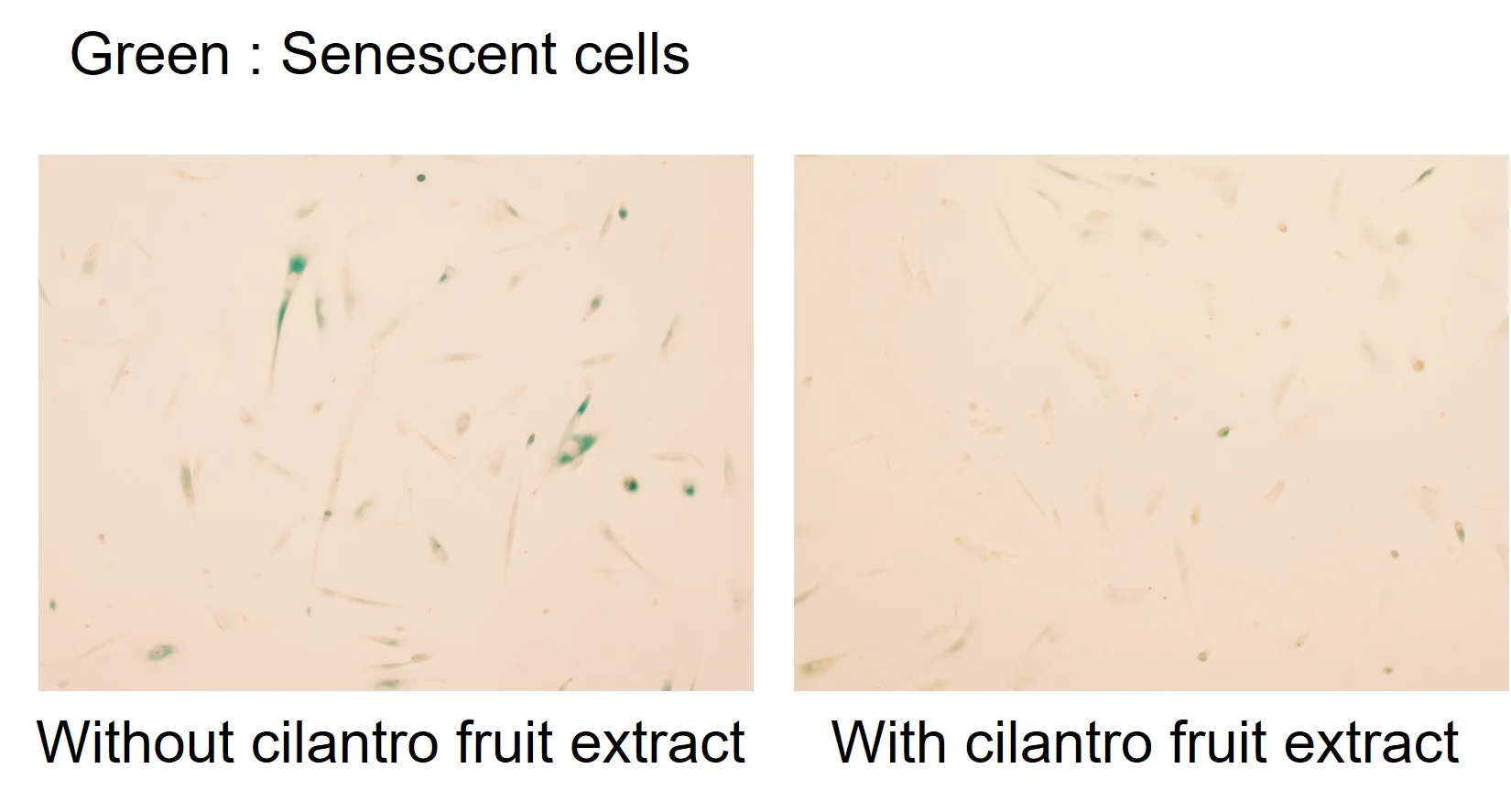
When researchers introduced the extract to dermal fibroblasts aged through oxidative stress, it induced apoptosis—or programmed cell death—specifically in the senescent cells. Shiseido noted that this effect was not observed in healthy, normal cells, suggesting that the extract acts selectively on aged cells.
In a separate laboratory model combining both normal and senescent cells, the presence of senescent cells declined while normal cells multiplied. The research team also observed a marked decrease in the aging-related biomarkers SA-β-Gal and P21.
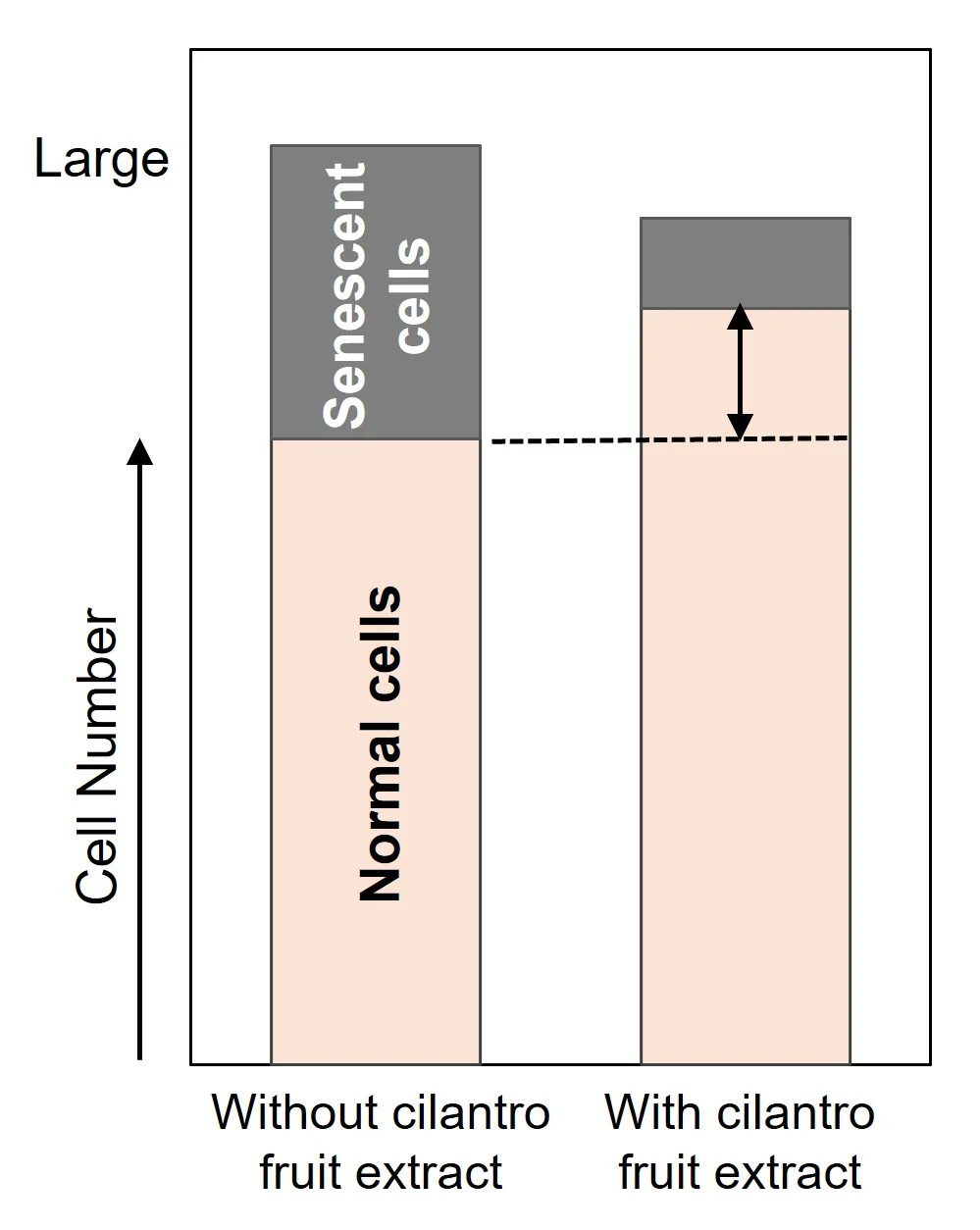
According to the company, this increase in healthy, normal cells directly correlated with higher collagen production within the dermal fibroblasts.
Senescent cells, often referred to as "zombie cells," are aged or damaged cells that resist normal cell death. While they no longer divide, they remain active in tissue and secrete a harmful cocktail of signaling molecules known as the senescence-associated secretory phenotype (SASP). These factors—including inflammatory cytokines, chemokines, growth factors, and proteases—can degrade the extracellular matrix and accelerate aging in neighboring healthy cells.
Research into senolytics, or therapeutic agents designed to selectively clear these troublesome cells, has become a major frontier in regenerative medicine. Shiseido revealed that the cilantro extract was initially discovered during its hair regeneration research, where the ingredient was found to increase the population of cells associated with hair follicles. As cosmetic science continues to advance, bridging the gap between laboratory breakthroughs and consumer expectations remains a key focus for the industry, much like how scientific evidence and regulatory standards shape consumer trust in other personal care categories.
The company explained that the extract contains unique fatty acids with high physiological activity. Subsequent testing indicated that these active compounds also exert a powerful effect on dermal fibroblasts.
Currently, Shiseido has not disclosed any human clinical trial results, product launch plans, or a commercialization timeline for the ingredient. Because the findings are based primarily on in vitro cell-culture experiments, the extract’s real-world efficacy, safety profile, and long-term benefits for human skin will require further clinical validation.
Moving forward, Shiseido plans to continue integrating its regenerative medicine research with cosmetics development, exploring new anti-aging technologies inspired by senolytics.
Sources:



Conversation
0 Comments