
Dubai Fragrance Brands Ajmal and Kayali Prepare for China Market Entry
UAE fragrance brands Ajmal and Kayali have completed regulatory filings in China, signaling a broader shift toward Middle Eastern perfume expansion.
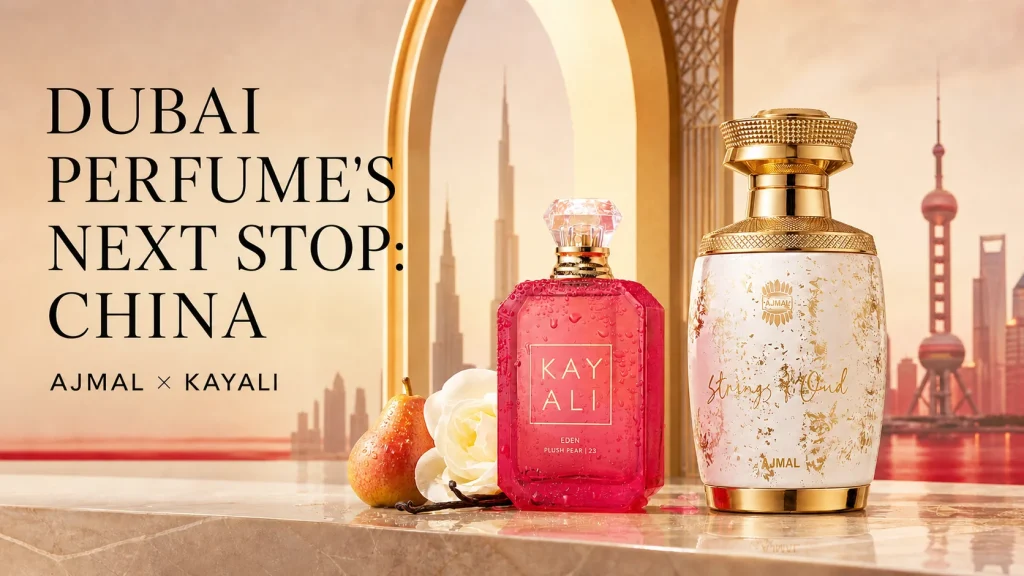
The Chinese fragrance market is preparing to welcome a new wave of Middle Eastern beauty players. UAE-based perfume houses Ajmal and Kayali recently completed their initial regulatory filings for imported cosmetics in China. The regulatory clearance allows both brands to shift from cross-border e-commerce and informal grey-market channels to official general trade distribution across mainland retail channels.
While entering around the same time, the two brands represent distinct generations of the Middle Eastern fragrance industry. Established in 1951, Ajmal is one of the most mature perfume operations in the Gulf region, spanning concentrated oils, fine fragrance, oud, and home scents. The company operates a manufacturing facility in Dubai and distributes products across more than 3,000 retail points globally.
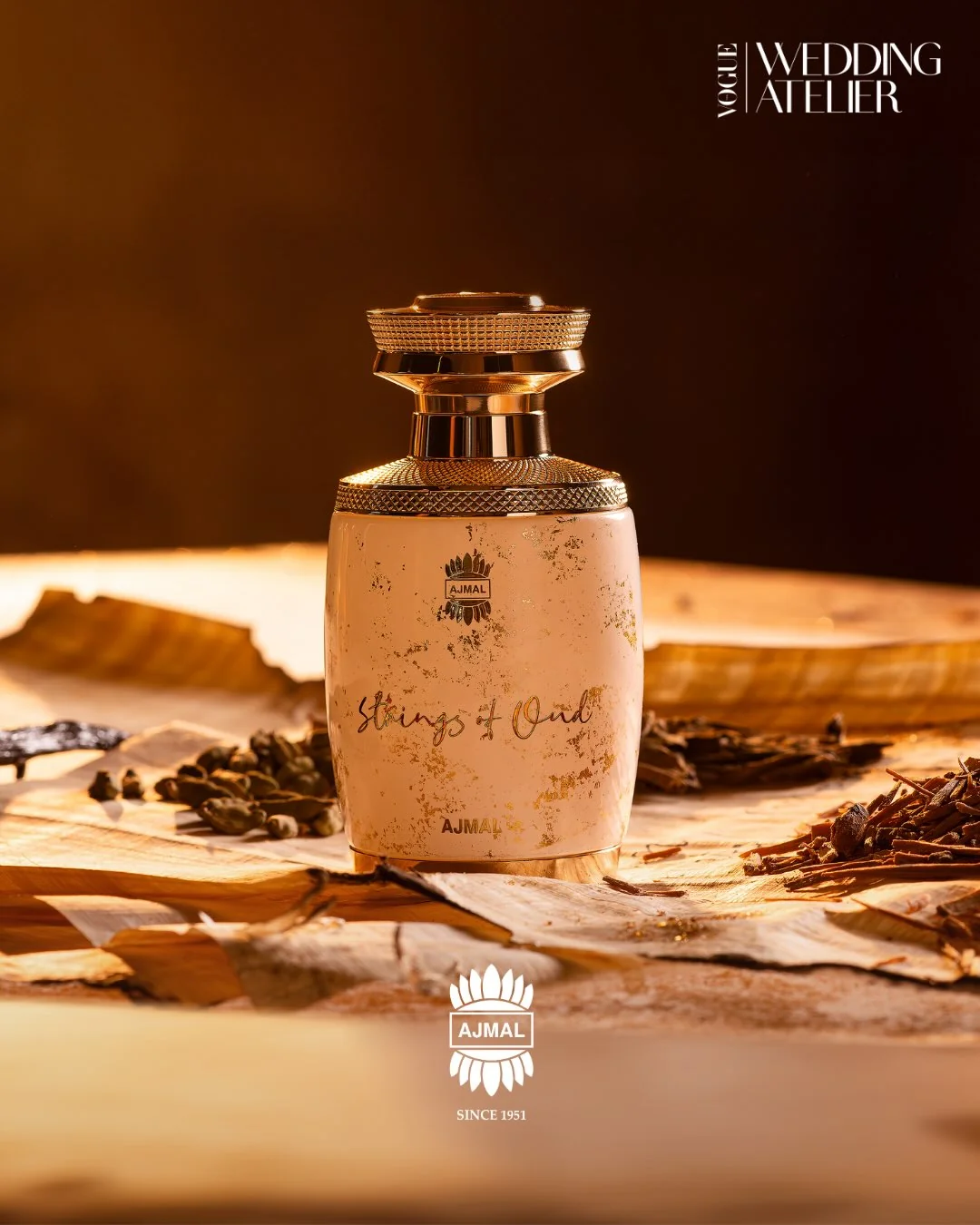
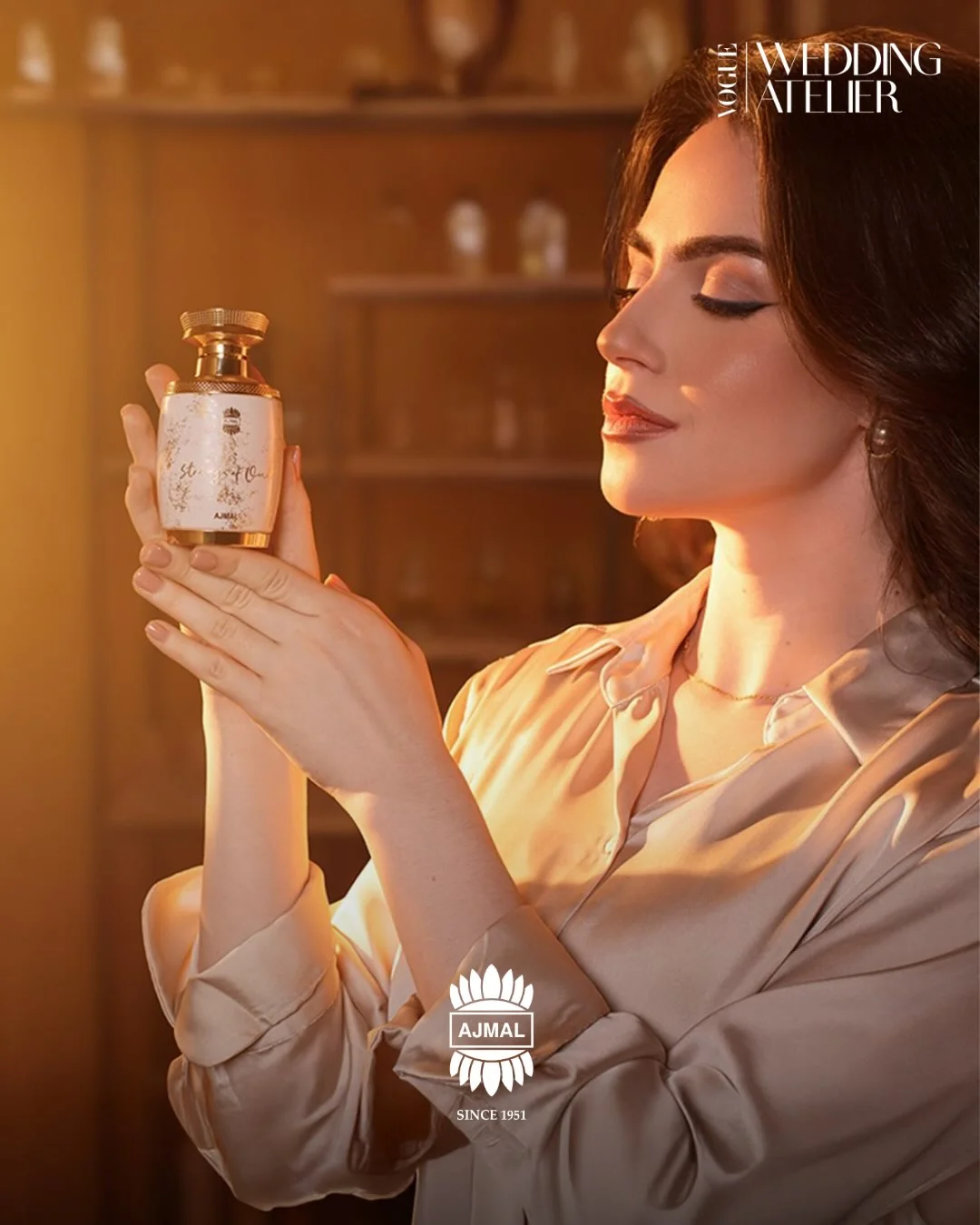
Kayali, by contrast, was founded in 2018 by sisters Huda and Mona Kattan. Developed in Dubai around Middle Eastern scent-layering traditions, the brand quickly expanded across Western markets using gourmand notes like vanilla, marshmallow, and pistachio alongside social media campaigns. In 2025, Kayali spun off from Huda Beauty into an independent fragrance company co-owned by Mona Kattan and growth equity firm General Atlantic, which framed the investment as capital to fuel the brand's next growth stage.
Despite their 70-year age gap, both companies are prioritizing China as their next major growth destination.
From Consumer Hub to Global Brand Exporter
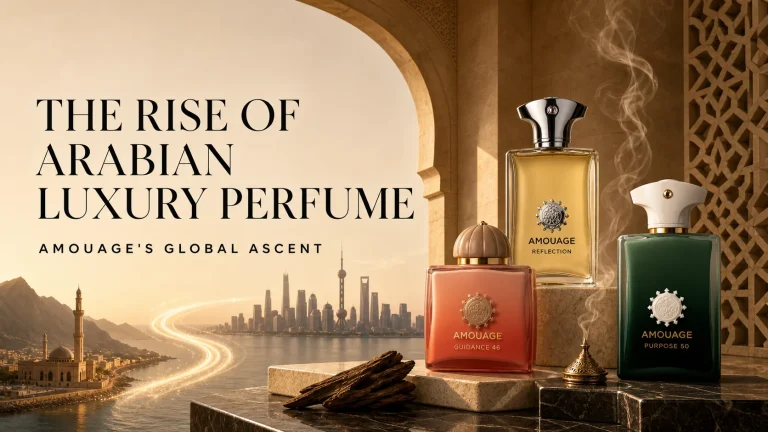
Omani luxury brand Amouage established the initial template for Middle Eastern prestige fragrance in China. In the third quarter of 2024, L'Oréal acquired a minority stake in Amouage, later describing the brand in financial reports as a luxury house reinterpreting the "Arabian art of perfumery." For L'Oréal, whose prestige portfolio has long relied on Western fashion houses like Yves Saint Laurent, Armani, Prada, and Valentino, taking equity in an independent Gulf perfume house signaled a major re-evaluation of Middle Eastern fragrance assets.
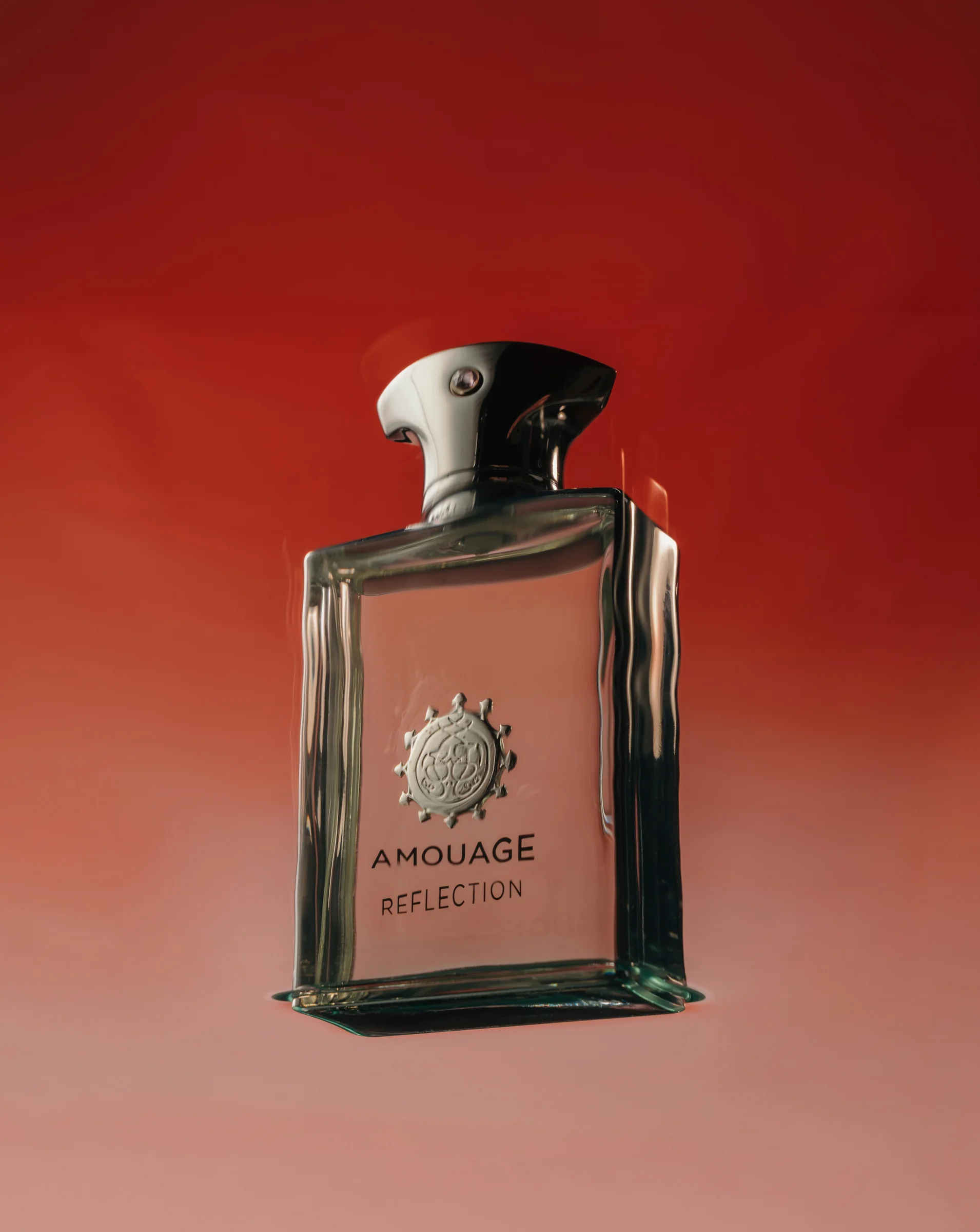
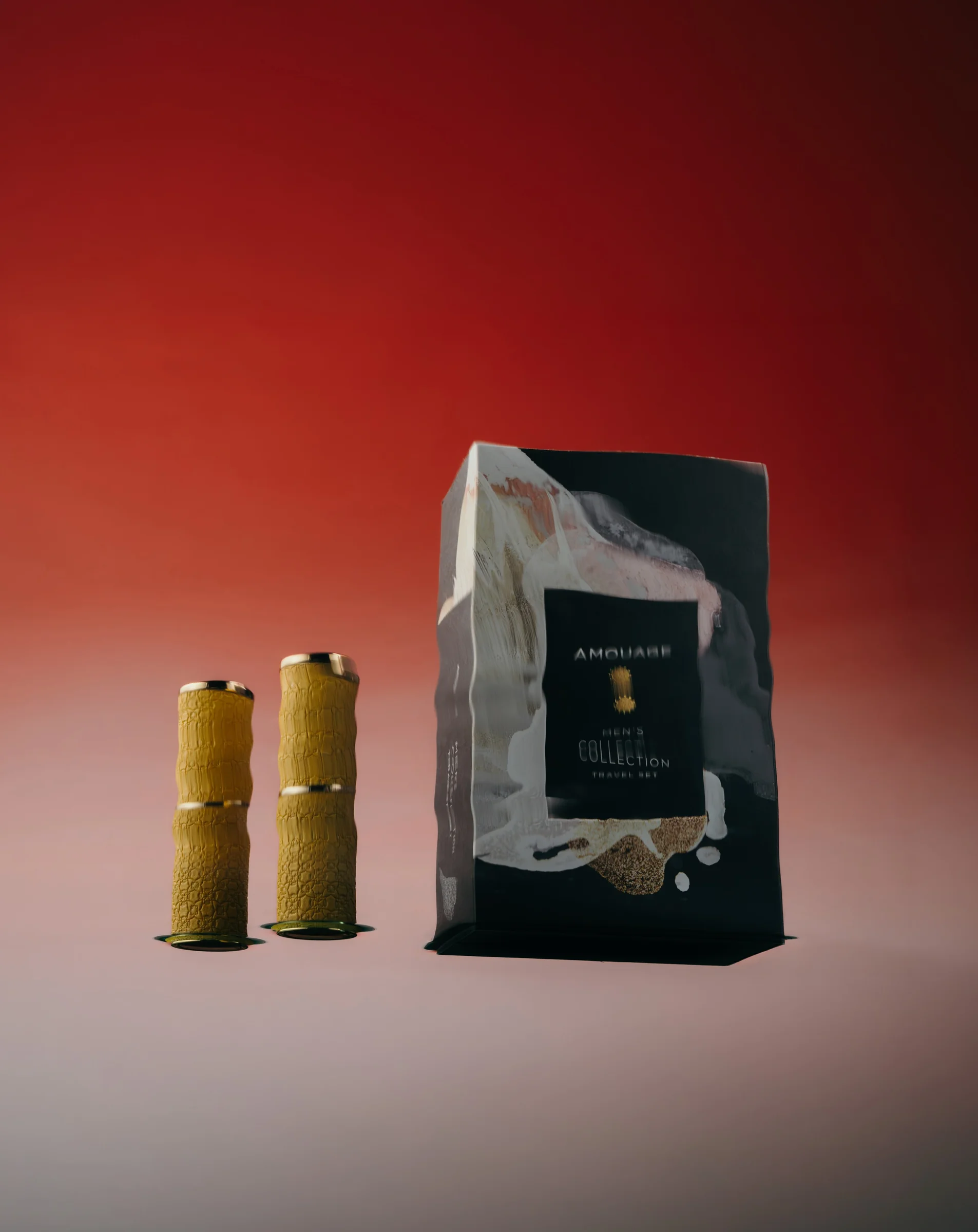
Amouage has demonstrated commercial traction beyond regional storytelling. In 2023, the brand posted a 24% year-over-year revenue gain, with Oman, the UAE, the U.S., and China collectively generating over 40% of sales, placing China among its core growth markets.
The brand expanded its physical presence in late 2024 by opening its first Asian flagship store, "The Sillage," in Shanghai's historic Zhangyuan district, transitioning China from distributor-led retail toward direct consumer experiences.
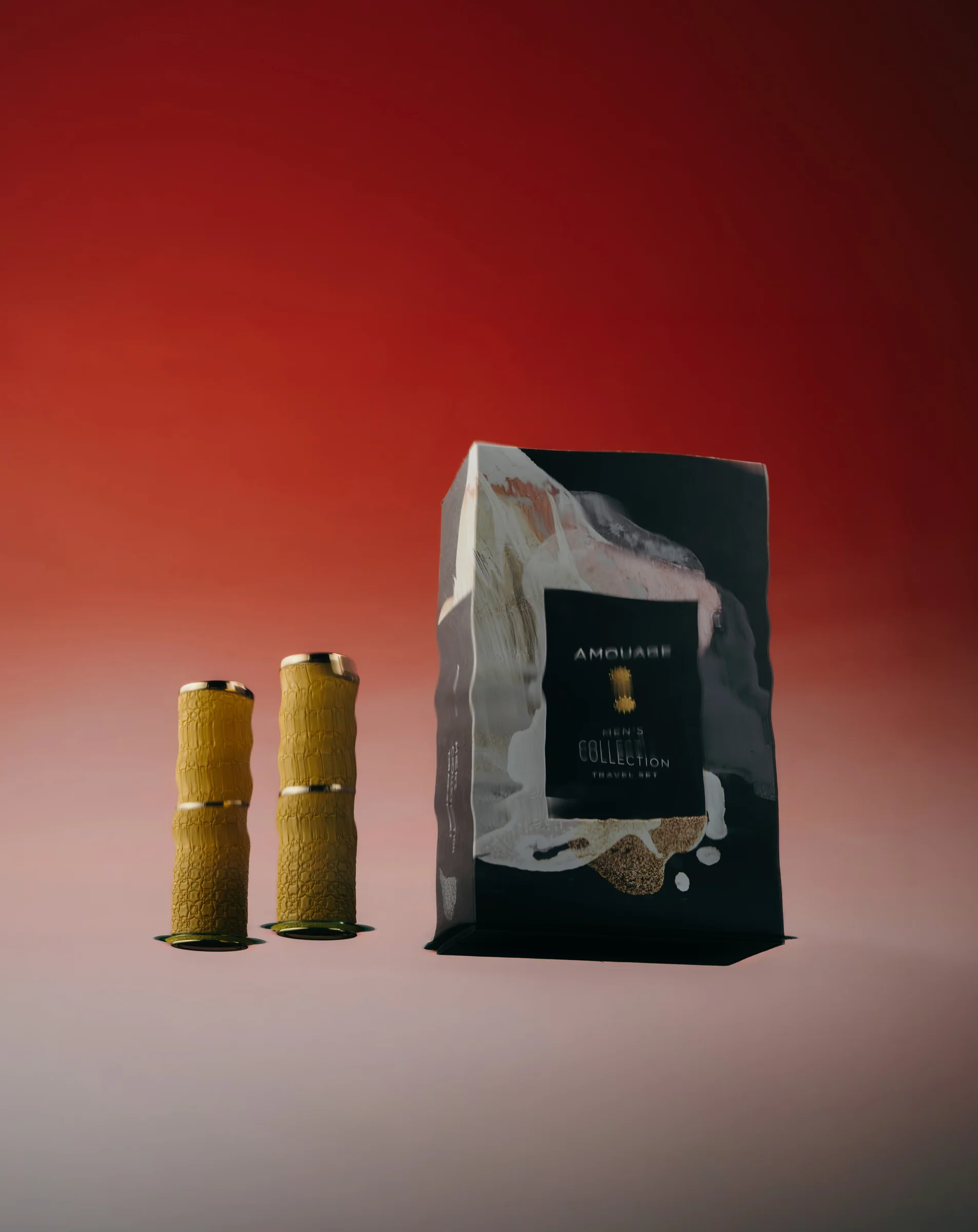
That expansion momentum continued into 2025, when Amouage logged global retail sales exceeding $430 million—a 66% surge marking the best financial performance in its 42-year history. While Amouage does not break out standalone revenue for China, its flagship investment and L'Oréal's backing indicate that Gulf-born fragrance assets are establishing commercial value far beyond the Middle East.
Ajmal and Kayali's market entry reflects this broader shift. The Middle East is evolving from a major destination for imported perfume into a major exporter of global fragrance brands—and China has become a required market on their expansion roadmaps.
That focus comes amid a distinct market dynamic: while overall beauty spending in China has moderated, fragrance remains one of the country's fastest-growing beauty categories. According to the 2025 China Fragrance Industry White Paper released by Deloitte and distributor Eternal Group, China's fragrance market is projected to maintain an 8% annual growth rate over the next five years, reaching RMB 36 billion (approx. $5 billion) by 2028. By comparison, global fragrance growth is expected to average between 4% and 6%, as mature European markets face high penetration and slower expansion.
This growth premium is evident across global beauty conglomerates. While skincare and color cosmetics faced headwinds in recent financial cycles, fine fragrance provided steady earnings. In 2024, Spanish beauty group Puig reported an 11% overall sales increase, driven by a 13.6% gain in its perfume and fashion division, which represents 73% of company revenue. Prestige fragrance continued to post global growth through the first half of 2025. This momentum comes alongside a wider international diversification in beauty, where even K-beauty expands beyond skincare into personal care and fragrance across key consumer markets.
Decentralizing China's Prestige Fragrance Market
China's fragrance sector was historically shaped by legacy luxury houses. Chanel, Dior, and Gucci introduced fine fragrance to early consumers, followed by niche Western brands like Jo Malone, Diptyque, Le Labo, and Byredo that popularized artisanal scents.
Deloitte's 2025 white paper highlights premiumization, niche expansion, and usage scene diversification as key growth drivers. Fragrance in China is shifting from a status purchase tied to Western fashion labels toward a highly personal expression of individual scent preference.
This shift creates opportunities for Ajmal and Kayali. While neither possesses legacy brand recognition in China compared to Western houses that have operated locally for decades, consumer curiosity is turning unfamiliar origins into a competitive advantage. As shoppers actively seek distinct olfactory profiles and regional heritage, Dubai fragrance houses offer a compelling alternative to traditional European perfume conventions.
Kayali demonstrated this strategy in Western markets by turning Middle Eastern layering techniques and gourmand notes into accessible social media narratives. Ajmal takes a different approach, leveraging its heritage in pure oud, concentrated perfume oils, and traditional Arabian accords while filing modern EDP formulations for international distribution.
Both strategies reflect a changing retail landscape where non-Western perfume origins are earning dedicated shelf space. Where imported fragrance was once defined by France, the UK, Italy, and the U.S., brands from Oman and the UAE are proving that Middle Eastern luxury can compete directly on scent, culture, and brand equity.
Conversation
0 Comments