
K-Beauty Cushion Foundations Gain Global Traction Through Western Retail Expansion
Driven by shade expansion and Western retail partnerships, Asian cushion foundations are finding newfound traction among global beauty consumers.
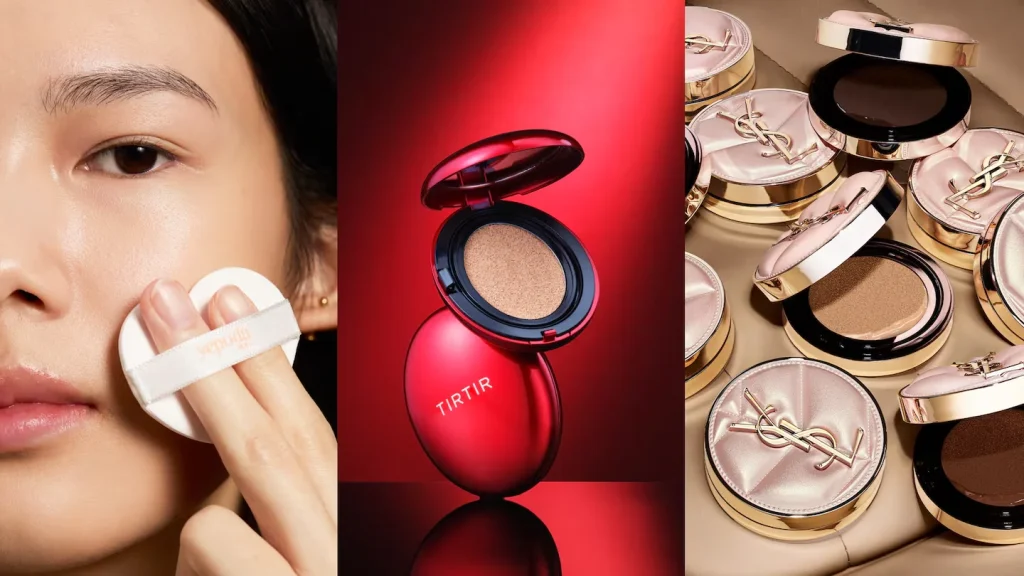
For international K-beauty brands like Yepoda, crafting products inspired by Korean trends for a worldwide audience is incredibly lucrative. But when the brand’s co-founder, Sander Joonyoung van Bladel, planned to introduce its own take on one of South Korea’s biggest beauty categories—cushion foundations—he faced widespread skepticism.
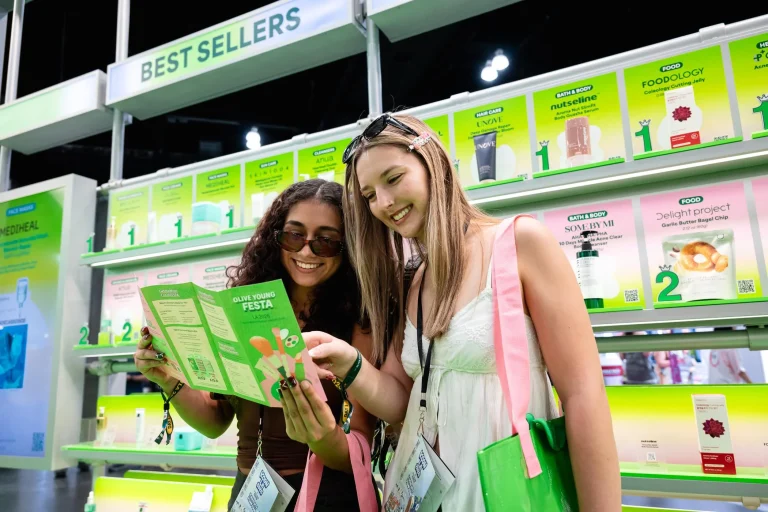
“All the labs we worked with in Korea were like, ‘You’re crazy. Nobody made cushion foundation work outside of Korea,’” he said. Seeing the lines of compacts taking up huge swathes of shelf space whenever he visited Olive Young stores in South Korea, however, he remained convinced of the category's potential.
For over a decade, cushion foundations have been a massive beauty phenomenon across Asia, including South Korea, China, and Japan. They are staples in the Asian market assortments of major luxury houses, including Lancôme, Estée Lauder, and Dior Beauty. The format—a foundation-soaked sponge containing SPF and skincare ingredients housed in a compact with a mirror—offers a radiant porcelain finish designed for convenient on-the-go touch-ups. While early attempts to introduce the product to Western markets stalled, K-beauty’s second wave is giving the category genuine global momentum.
“We did not expect this hype at all,” said Monica Park, head of global business at Tirtir, the K-beauty brand known for its viral Mask Fit Red Cushion. The decision to launch into the US “was a high-risk, high-return strategy,” Park added, noting that it fueled a 3,000 percent sales surge in 2024 and paved the way for the brand’s entry into Ulta Beauty in 2025.
Cushion foundations maintain high market penetration in South Korea, ranking as the most popular complexion format as recently as 2023, according to research from Daejeon University’s Institute of Beauty Product Science, the Korea Beauty Industry Trade Association, and the Korea Cosmetics OEM Council. K-beauty conglomerate Amorepacific Group, which credits itself with pioneering the cushion category, cited Laneige’s Neo Cushion and Sulwhasoo’s Perfecting Cushion as key drivers behind a 19 percent revenue gain in its Asia-Pacific sales outside China. Meanwhile, Sulwhasoo’s UV Wise On-the-Go Sun Cushion helped spur a 56.5 percent sales jump in the Americas.
Industry analysts see significant headroom for cushion growth in Europe and the US, even if initial Western demand represents a fraction of East Asian volumes. While the category failed to anchor itself in Western beauty routines a decade ago, brand executives believe current consumer interest in Korean skincare and lightweight complexion products creates far more favorable entry conditions.
For Yepoda, that strategy is delivering results. Its Dewy Day Cushion Foundation became a bestseller following its launch at Sephora across Europe. In July, the brand entered Sephora US, coinciding with the retailer's broader effort to expand their K-beauty retail offerings through a partnership with South Korean health and beauty giant Olive Young. Seven of the brands introduced through the retailer collaboration feature cushion foundations in their global assortments.
Rising Regionally
Formulated with lightweight, skin-nourishing ingredients closer to BB creams than full-coverage liquid foundations, cushion compacts are engineered for portability and frequent public touch-ups, packaged in sleek, purse-friendly compacts.
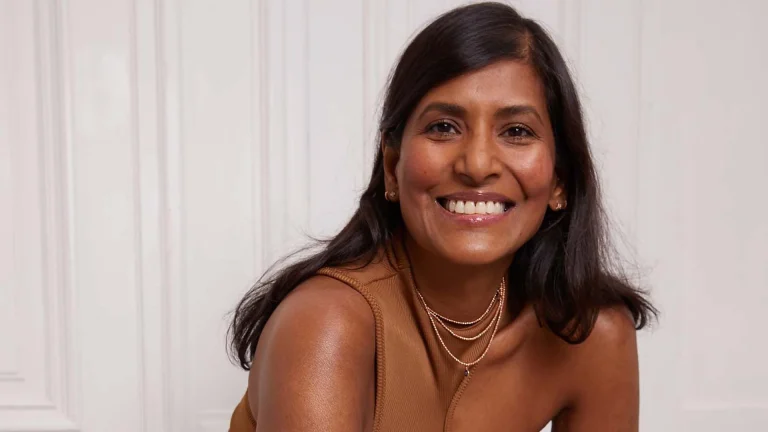
“Cushion foundation, culturally in Korea, is so ubiquitous,” said Michelle Lee, former editor-in-chief of Allure and fractional chief marketing officer at K-beauty distributor Landing International. “Rather than saying, ‘What foundation do you use?’ people are always like, ‘What cushion do you use?’”
That habit of midday reapplication gained international exposure through Korean media in the 2010s, prompting Western luxury houses to follow Amorepacific's lead. Tom Ford launched its Architecture Radiance Hydrating Cushion Foundation in a gold-accented compact, Prada introduced its Reveal Mesh Cushion Foundation featuring its signature triangle emblem, and Armani Beauty debuted the My Armani To Go Cushion Foundation in a bold red case.
Despite high prestige visibility, US retail distribution remains select. Beyond offerings from YSL Beauty and L’Oréal Paris, specialty store shelves are dominated by Korean labels like Sulwhasoo and Yepoda at Sephora, or Tirtir and Unleashia at Ulta Beauty. While companies like Estée Lauder, Dior Beauty, and Givenchy list cushion foundations on their direct-to-consumer websites, brands including Nars, MAC Cosmetics, and Bobbi Brown currently reserve the format primarily for Asian markets.
When K-beauty staples like BB creams and sheet masks gained global adoption, early cushion launches faced adoption hurdles in North America. Brands that tested the market, including Lancôme, eventually pulled the products. Culturally, Western consumers were unaccustomed to carrying foundation compacts for midday touch-ups.
“Typically, here in the US, people do their makeup in the morning. They use setting spray, and it’s ‘set it and forget it,’” Lee explained. “But in Korea, if you go out to lunch or dinner, people have their cushion foundation in their bag, and they’ll do little touch-ups throughout the day.”
The Next Global Hit
As K-beauty expands globally, cushions are capturing mainstream US interest, fueled by viral social media tutorials and consumer demand for natural, minimalist makeup finishes.
Brands are adapting their international strategies to overcome historical barriers, particularly around shade inclusivity.
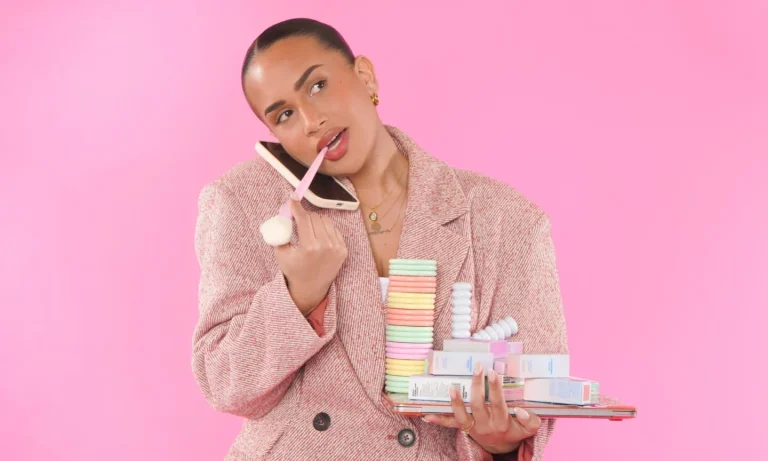
“If we take any cushion foundation from Korea, the darkest shade is too light for the lightest Caucasian skin,” noted Yepoda’s van Bladel, whose brand developed 21 shades for its launch. Tirtir initially built its Japanese business around three shades before introducing a 40-shade range for the US market, partnering with diverse beauty creators including Golloria George, Miss Darcei, and Mikayla Nogueira.
“They are not only influencers, but also our primary consumers, offering direct, constructive feedback on shade matching,” Park said.
Following K-beauty's traction, multinational beauty corporations are re-evaluating the category for Western markets. YSL Beauty made a high-profile US push with its Skin Affair Soft Glow Cushion Foundation in May, launching a campaign featuring musician Charli XCX. In June, L’Oréal Paris launched its Infallible Cushion Foundation exclusively at Ulta Beauty in the US before expanding to Boots in the UK.
More global heritage brands are currently developing cushion products tailored to Western consumers, according to Lee. However, Korean labels hold a distinct early-mover advantage across major retail networks like Sephora, Ulta, and Olive Young’s direct-to-consumer storefronts.
Adjusting formulas for Western regulatory environments remains a critical operational step. In the US, Sun Protection Factor (SPF) claims require over-the-counter drug registration, and many popular Asian UV filters await US Food and Drug Administration (FDA) approval.
To expedite market entry, brands are tweaking formulations and product messaging. Tirtir launched its US cushion without sun protection claims, while Yepoda formulated its product with zinc oxide but omitted SPF phrasing on packaging pending FDA regulatory clearance.
“You need to be confident in your execution,” van Bladel said. “If you wait too long, you miss the window.”
Conversation
0 Comments