Zhao Lusi’s Lifestyle Brand RDD Faces Backlash Over Quality and Pricing
Chinese actress Zhao Lusi’s lifestyle brand RosyDoeDian faces growing consumer criticism over pricing and product quality during its physical store expansion.

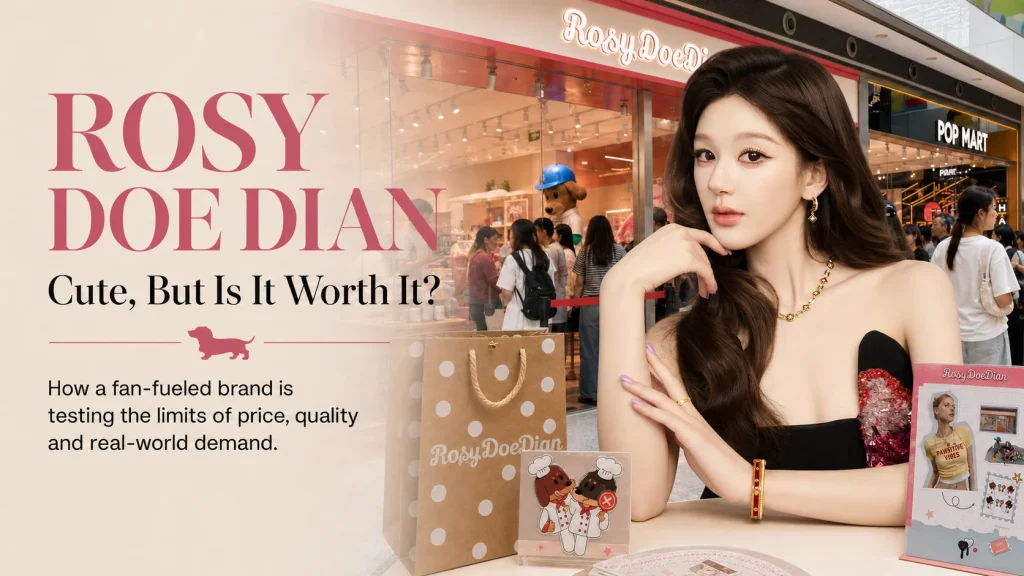
On July 24, Chinese Gen Z actress Zhao Lusi’s lifestyle brand, RosyDoeDian (RDD), officially opened its newest brick-and-mortar boutique at Beijing's Livat Shopping Center. Long lines snaked out the entrance on opening day, with shoppers livestreaming their merchandise picks on smartphones or video calling out-of-town friends to purchase items on their behalf.
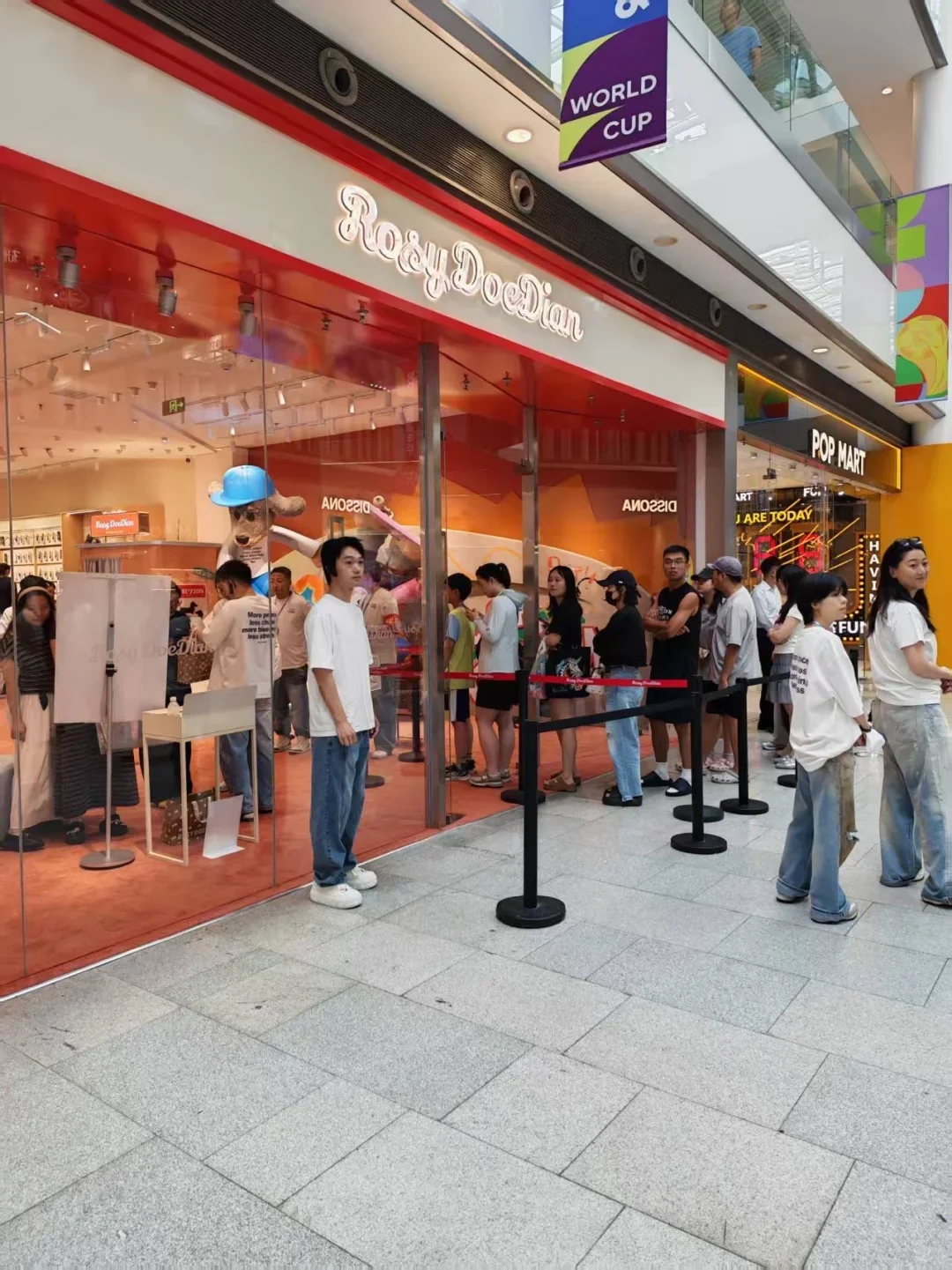
Inside, the store's main attraction was a photo-ready installation featuring a dachshund on a skateboard, drawing nearly every visitor for a photo. Foot traffic remained heavy through weekday afternoons, and popular items sold out quickly.
This is not the first time RDD has captured public attention. The rapid expansion of RDD comes as Chinese Actress Zhao Lusi Builds Multimillion-Dollar Empire with Beauty Debut, broadening her commercial footprint across lifestyle and retail channels. Since launching in October 2025, RDD has staged pop-ups in Bangkok, Shanghai, Hangzhou, and Chengdu, while securing retail spaces in major shopping centers like Shenzhen MixC and Hangzhou Kerry Centre. According to Chinese business news outlet Tianxia Wangshang, the brand's flagship store on Alibaba's Tmall platform processes over 200,000 orders annually, with total monthly sales across all channels reportedly surpassing 10 million RMB ($1.4 million USD).
However, as the brand's visibility grows, so does consumer scrutiny over product quality, premium pricing, and aggressive fan defensiveness. As a celebrity-backed venture moves from online sales into mainstream shopping malls, it must contend not just with loyal fans, but with casual consumers who care less about celebrity involvement and more about whether a product justifies its price tag.
Who Is Really Buying Into the Brand?
RDD takes its name from Zhao Lusi’s English name "Rosy" and her two adopted dachshunds, "Doe" and "Diandian." The cartoon dog mascots served as the brand's core intellectual property long before RDD was officially registered, appearing at music festival photo booths as early as June 2025. The IP gradually built mainstream recognition through joint collaborations with fashion brand JORYA, William Chan's streetwear label CANOTWAIT_, and traditional heritage brand Baixi.
When RDD launched online in October 2025 as a general lifestyle store, its inventory included pet accessories, hats, drinkware, loungewear, and stationary novelties. Prices generally range between 100 and 500 RMB ($14 to $70 USD), with specialized luggage items priced over 1,000 RMB ($140 USD).
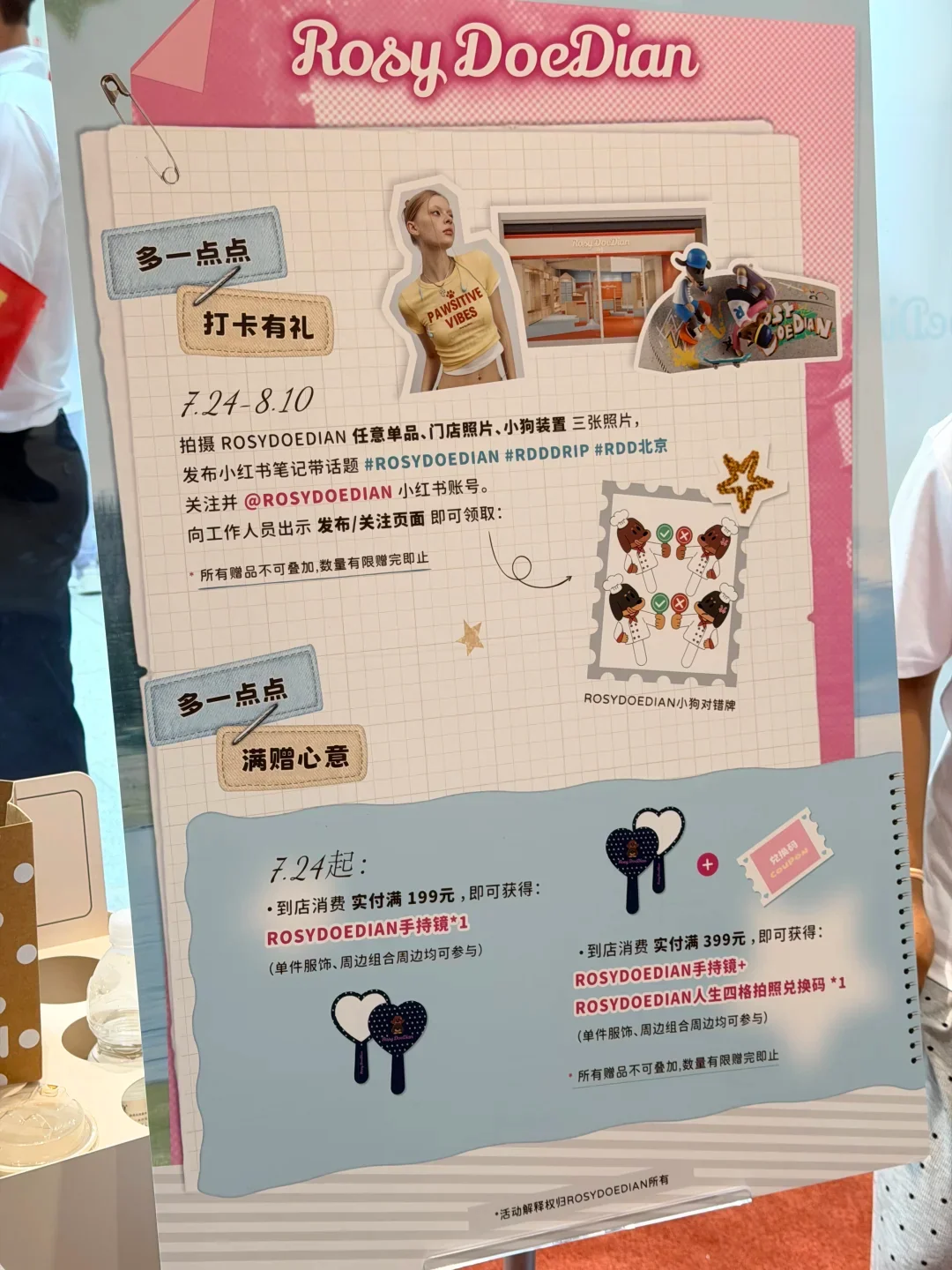
Notably, Zhao Lusi has refrained from modeling in RDD’s promotional photos, opting instead to feature non-celebrity models and brand mascots. The strategy was intended to position RDD as an independent lifestyle label rather than basic celebrity merchandise.
According to reports from China Business Journal, the boutique’s clientele consists primarily of women in their 20s. In-store shoppers are often heard discussing items worn or drawn by the actress, with some traveling from neighboring cities to find stock unavailable online. In one instance, a young shopper selected a 199 RMB ($28 USD) mushroom-shaped memo pad for a friend via video call.
RDD maintains a consistent visual design, relying on vibrant orange-reds, pastel blues, polka dots, leopard prints, and star motifs. The aesthetic reflects Zhao Lusi's personal style and her previous endorsement partnerships with brands like Chuu and F426—giving retail visitors the feeling of stepping directly into her social media feed.
Operationally, RDD operates on a fast-paced retail schedule. The brand streams continuously on major Chinese e-commerce and social commerce platforms including Tmall, Xiaohongshu (a popular lifestyle and shopping app), and Douyin (TikTok’s sister app in China), rolling out three separate product drops in July alone. Offline, its expansion strategy spans hot dog food trucks, temporary pop-up exhibits, and semi-permanent shops, leading up to a permanent flagship location on Shanghai's Julu Road.
In May, Zhao Lusi wore a pair of RDD co-branded AI smart glasses during her concert in Thailand. Weighing just 37 grams and equipped with voice call and translation capabilities, the unreleased device generated substantial consumer inquiries ahead of its commercial release.
Aesthetic Appeal Doesn't Guarantee Product Quality
Across social media platforms, a growing number of customers have voiced complaints regarding product defects: hair claw clips breaking after brief use, sleepwear snagging after a single wash, plush toy seams splitting, and paint peeling off drinkware. One fan brought a DOE plush toy back from Thailand only to discover multiple tears, while a casual shopper who bought a 99 RMB ($14 USD) mini desk fan faced hostile comments from fans telling them "not to buy if they didn't like it" after pointing out paint defects.
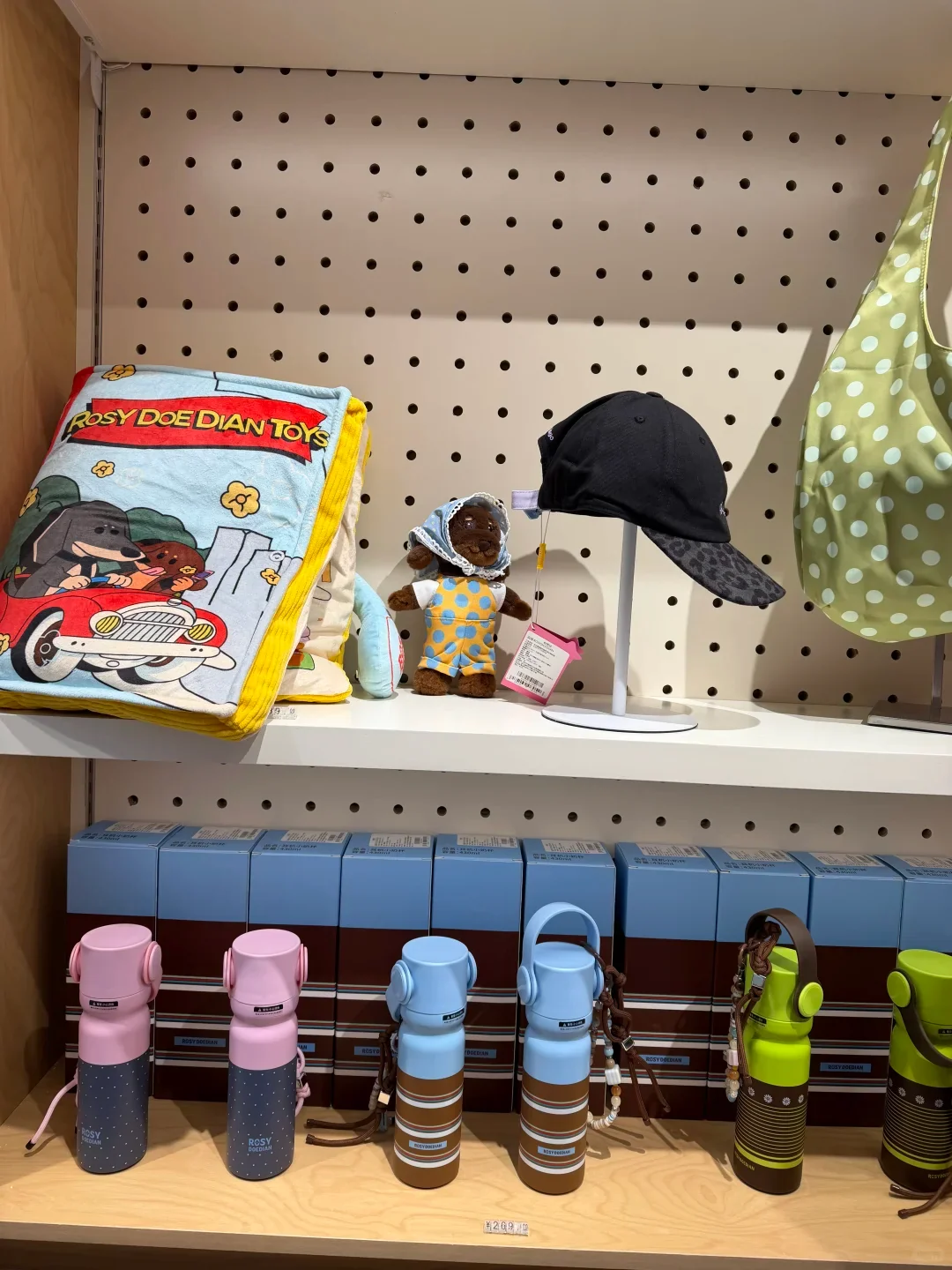
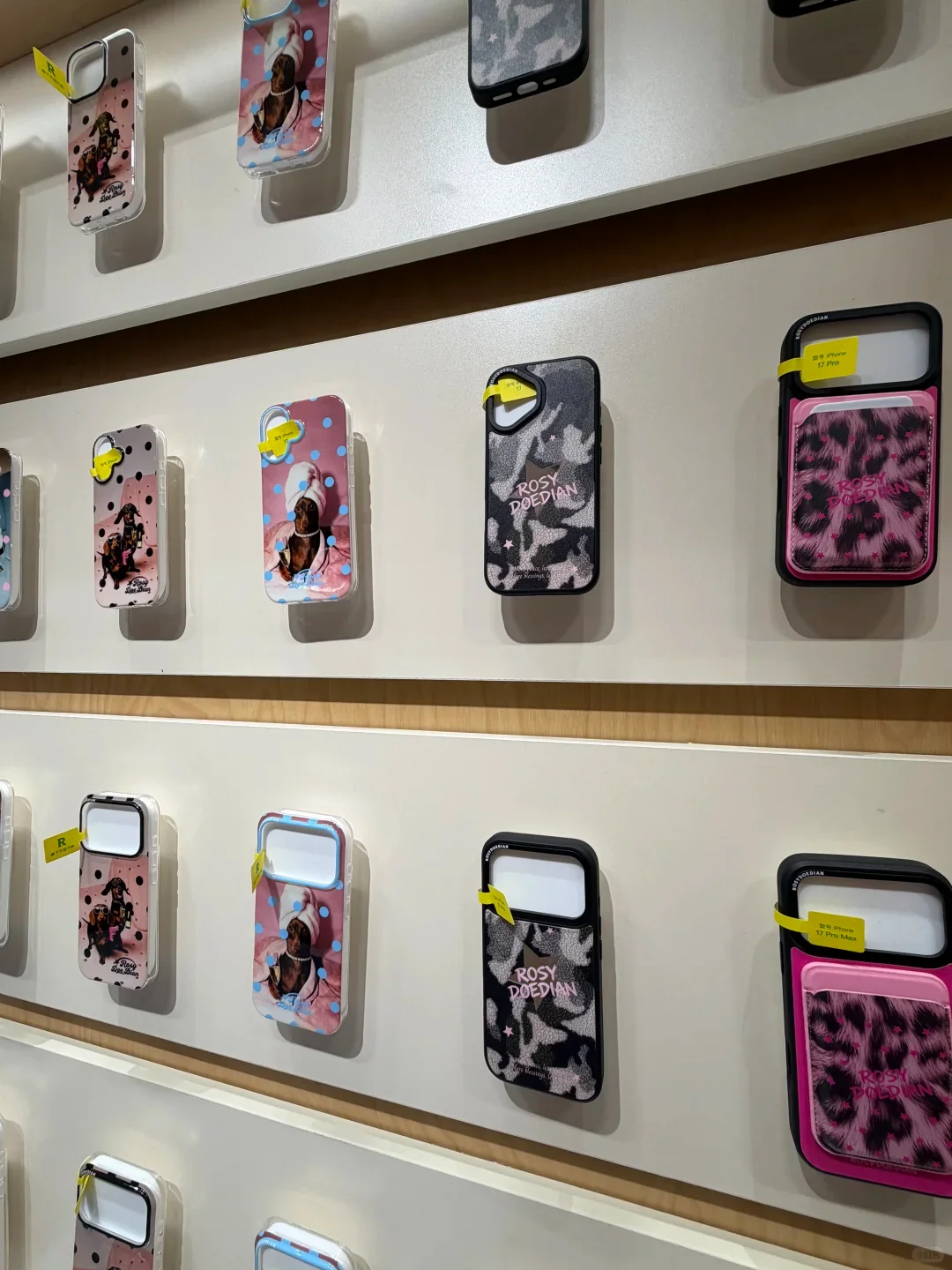
Pricing remains another key point of contention. With phone cases starting at 109 RMB ($15 USD), bath towels at 239 RMB ($33 USD), and memo pads at 199 RMB ($28 USD), RDD products carry a substantial markup over comparable market items. China Business Journal reported that several non-fan visitors walked out without buying, citing steep price tags for basic novelty items. One shopper noted that while the products were cute, the high markup made them hard to justify.
Customer service friction has further impacted customer sentiment. Shoppers have reported slow customer support, a lack of exchange compensation, and immediate stitching defects on tote bags. While Zhao Lusi noted during a livestream that defective items could be returned—asking viewers "which brand has flawless quality control?"—for everyday buyers, managing returns on minor household goods lowers the overall purchase appeal.
Despite RDD’s efforts to operate as an independent brand, operational details remain heavily tied to Zhao Lusi's fan base. The brand's operating entity is registered as Hangzhou Canelé Cultural Creative Co., Ltd.—referencing "Canelé," the official nickname for her fanbase. Model calls explicitly required applicants to be registered fans, and promotional giveaways featured requests to verify winner fan status. These choices leave casual shoppers feeling sidelined in a store environment tailored around celebrity fandom.
When product quality is questioned online, comment sections are frequently inundated by fans defending the brand or dismissing criticism. However, everyday shoppers simply expect functional, well-made products at reasonable prices, regardless of celebrity involvement.
RDD’s distinct IP, eye-catching visual branding, and interactive retail concepts have driven strong initial foot traffic. But if the brand relies on fan enthusiasm while overlooking product quality and standard customer service, initial retail momentum may prove difficult to sustain. Mall locations operate as competitive commercial spaces rather than fan meeting spots, and long-term viability ultimately depends on repeat customers.


Conversation
0 Comments