
How Chinese Beauty Exporters Are Solving the Global Profitability Puzzle
Chinese beauty brands are shifting from bulk shipping to high-margin global branding, leveraging AI, inventory models, and tax compliance to grow abroad.
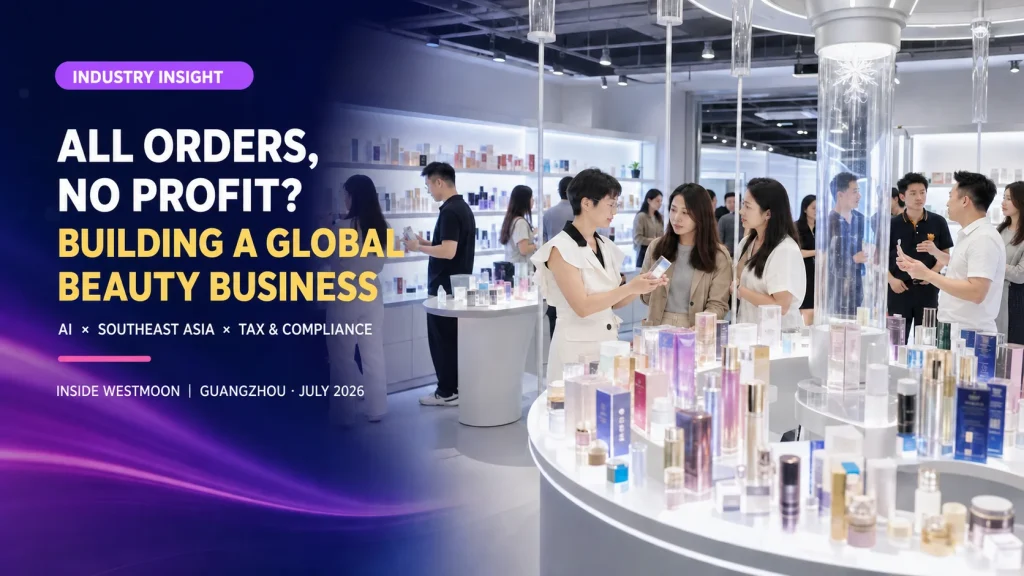
As global e-commerce enters a mature and highly competitive phase, the cosmetics category is undergoing a profound transformation from unbranded bulk dropshipping to refined, long-term brand building.
On July 29, the "AI Reshaping Global Trade: Cross-Border Expansion Salon" concluded in Guangzhou. Co-hosted by China Cosmetics, Zhuangzhuhui (a leading Chinese beauty founder community), and digital supply chain platform Xizhiyue, the event focused on three core pillars: AI digital enablement, tactical execution in Southeast Asia, and global tax and regulatory compliance.
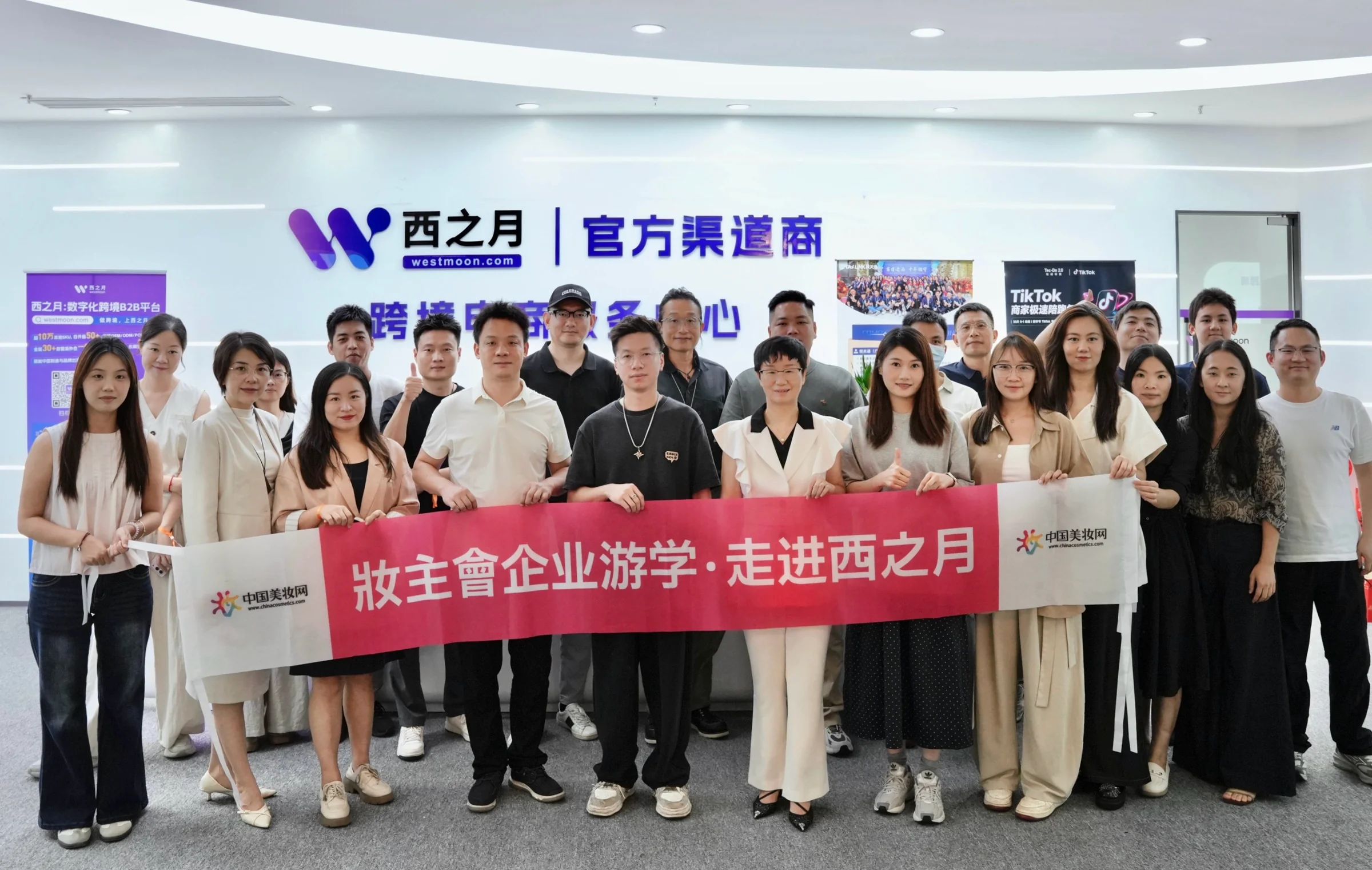
Why It Matters For the global beauty industry, the rapid evolution of Chinese exporters from low-cost suppliers to tech-driven, compliant brands is reshaping the competitive landscape. As these players adopt sophisticated AI tools and localized supply chains, they are raising the bar for speed-to-market and operational efficiency in regions like Southeast Asia.
AI Reconstructs Cross-Border Operations
Addressing the industry's biggest pain points—high operational costs, fragmented software tools, and long talent-training cycles—Tao Guanghui, Marketing Director of Xizhiyue, introduced MoonClaw, the company's proprietary AI operating system for cross-border e-commerce.

Designed with the mission to "enable a single person to run an entire cross-border e-commerce enterprise," the system features eight specialized "digital employees." These AI agents cover product selection, listing creation, content generation, purchasing coordination, ad placement, compliance auditing, business analysis, and strategic consulting.
Tao demonstrated the workflow live: by entering simple natural language prompts, a seller can instruct the system to automatically identify trending products, match them with available inventory, generate platform-compliant product images, and publish listings in bulk. It also automates order fulfillment and performance reviews.
By leveraging Xizhiyue's localized inventory across more than 30 countries, 100,000+ ready-to-ship SKUs, self-operated overseas warehouses, and dropshipping capabilities, MoonClaw bridges the gap between AI software and physical supply chains, offering a lightweight, low-barrier global expansion solution for small and medium-sized beauty brands.
From Massive Losses to $14 Million in Annual Sales
Jiu Cheng, founder of Jiucheng Cross-Border Circle and the beauty brand Ditang Shijing, shared his personal journey. In the early days, he generated daily revenues of 50,000 RMB ($7,000 USD) through a dropshipping model that required no inventory. However, having 500 of his online stores banned overnight served as a wake-up call: speculative tactics cannot sustain a business. Cross-border e-commerce, he realized, is a systematic endeavor that requires deep operational roots.
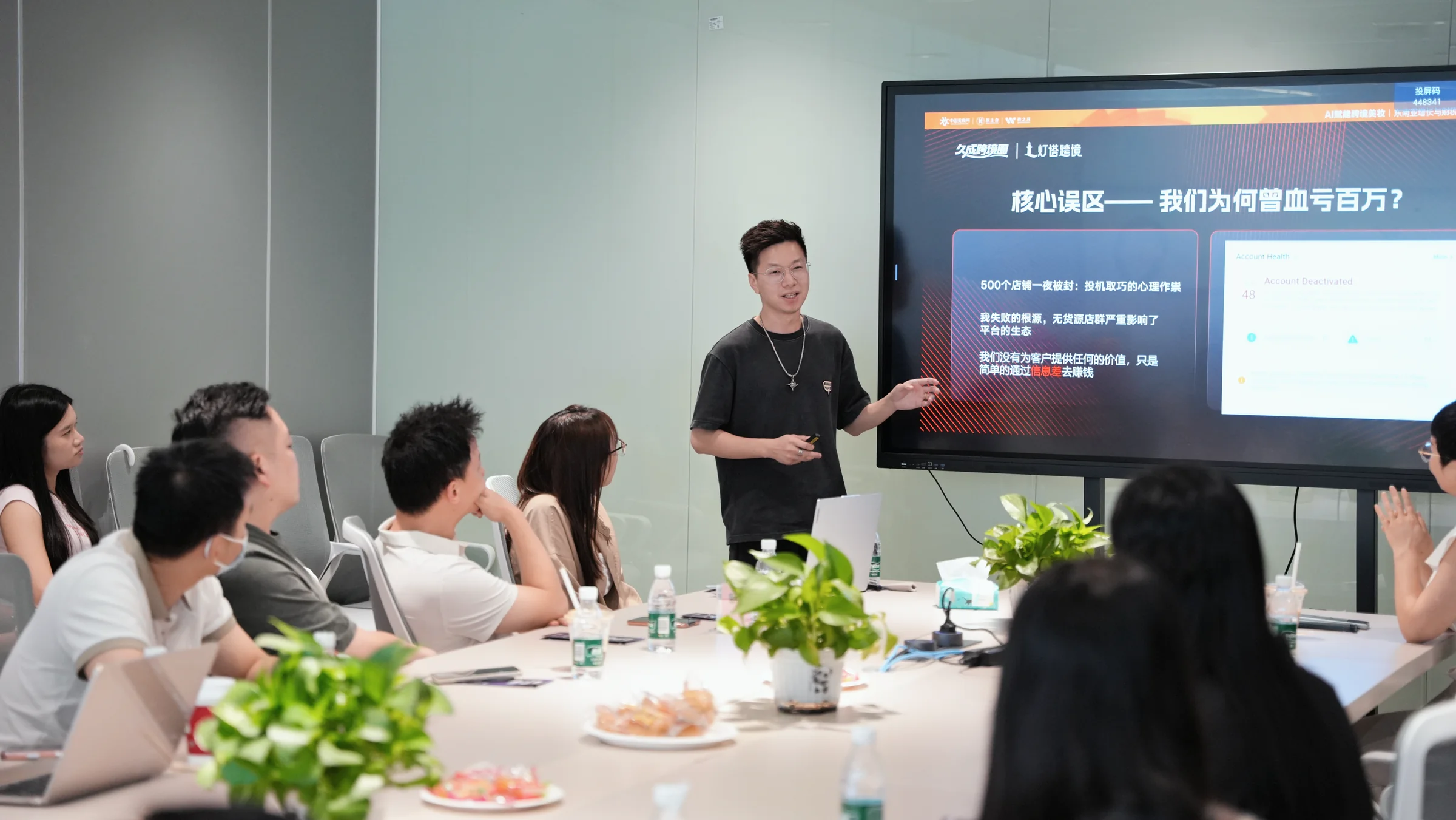
After years of pivot and refinement, Jiu Cheng's team now generates over 100 million RMB (approximately $14 million USD) in annual self-operated e-commerce sales. He distilled their success into three systematic strategies:
First, aggressive product testing at scale. He views viral hits as a numbers game, using the formula: "50 styles × 200 units = 1 potential blockbuster." "Product selection is not an art of intuition; it is mathematical probability," he said. "The volume of products you dare to test determines your ceiling." He advocates for data-defined hits, accepting a 70% failure rate, testing with minimal budgets, and scaling up only when positive data emerges.
Second, a scientific inventory replenishment system. To counter the long and unpredictable shipping times associated with local warehousing (sea freight takes 15 to 40 days), he shared a weighted daily sales model: (7-day average sales × 50%) + (15-day average sales × 30%) + (30-day average sales × 20%). This formula helps identify rising products early. He uses "40 days of remaining inventory" as a critical threshold, replacing gut-feeling decisions with automated data alerts.
Third, tiered management of slow-moving stock. "Why do some sellers see massive order volumes but no actual profit? Because stagnant inventory eats up all their cash flow," Jiu Cheng explained. He categorizes inventory age into four tiers: Normal (180 days), applying distinct strategies to each. Lightly stagnant stock receives price optimizations; medium stock is bundled for promotions; and heavy stock is aggressively liquidated.
He emphasized a multi-channel approach, leveraging TikTok to generate viral demand and massive growth—a strategy that mirrors how indie beauty brands are scaling rapidly on TikTok Shop globally—while using platforms like Shopee and Lazada to stabilize order volumes and clear excess inventory. He also ties inventory clearance metrics directly to employee KPIs to overcome operational inertia.
Proactive Tax and Regulatory Compliance
While operations dictate how fast a brand can run, compliance determines how far it can go.
Wang Zhiling, General Manager of Zanbiao and Jiacheng Tax, addressed common pain points such as export tax refund difficulties, incorrect customs declaration models, overseas tax compliance traps, illegal fund transfers, and trademark infringement.
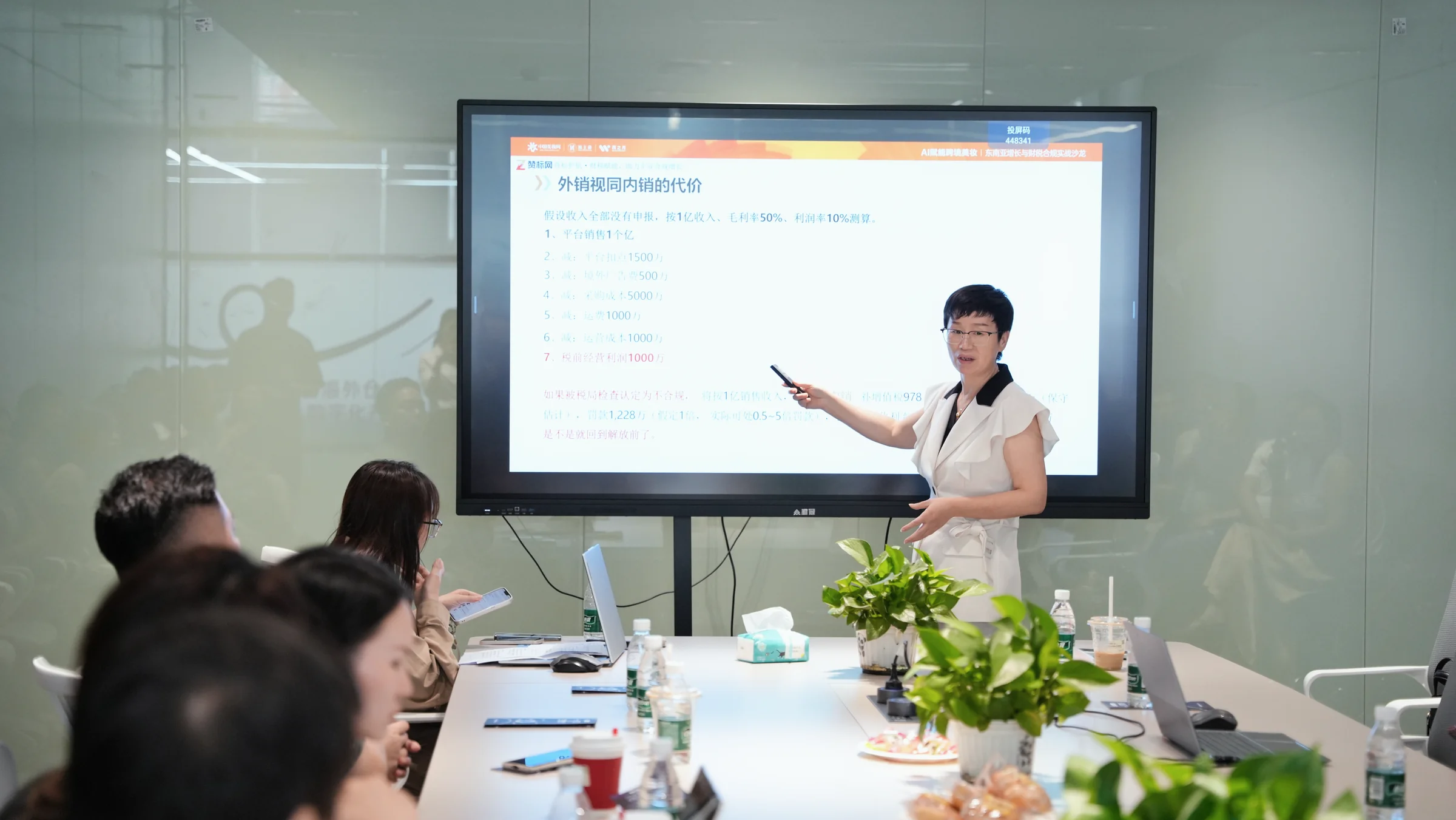
She systematically outlined the application scenarios and tax refund rules for China's major customs declaration codes (such as 9610 for cross-border e-commerce retail and 9710 for B2B exports). This helps brands exporting via Amazon, AliExpress, and TikTok align with the correct channels to protect their profit margins. She also broke down tax structures across six Southeast Asian nations, warning beauty sellers about specific pitfalls like Malaysia's Sales and Service Tax (SST) and the strict cosmetics registration requirements enforced by local health authorities.
With tightening global financial regulations, Wang noted that Outbound Direct Investment (ODI) filings combined with offshore corporate structures represent the most secure path for capital flows. She highlighted the advantages of establishing a Hong Kong entity—such as low tax rates and the absence of foreign exchange controls—to manage overseas advertising costs and warehouse rents. When combined with standardized accounting, this ensures compliance across all business flows, turning regulatory compliance from a cost center into a profit protector.
Inside Xizhiyue's Selection Center
At the close of the event, attendees toured the Xizhiyue Selection Center in Guangzhou, where dedicated zones showcased ready-to-ship inventory across color cosmetics, skincare, personal care, and fragrances.
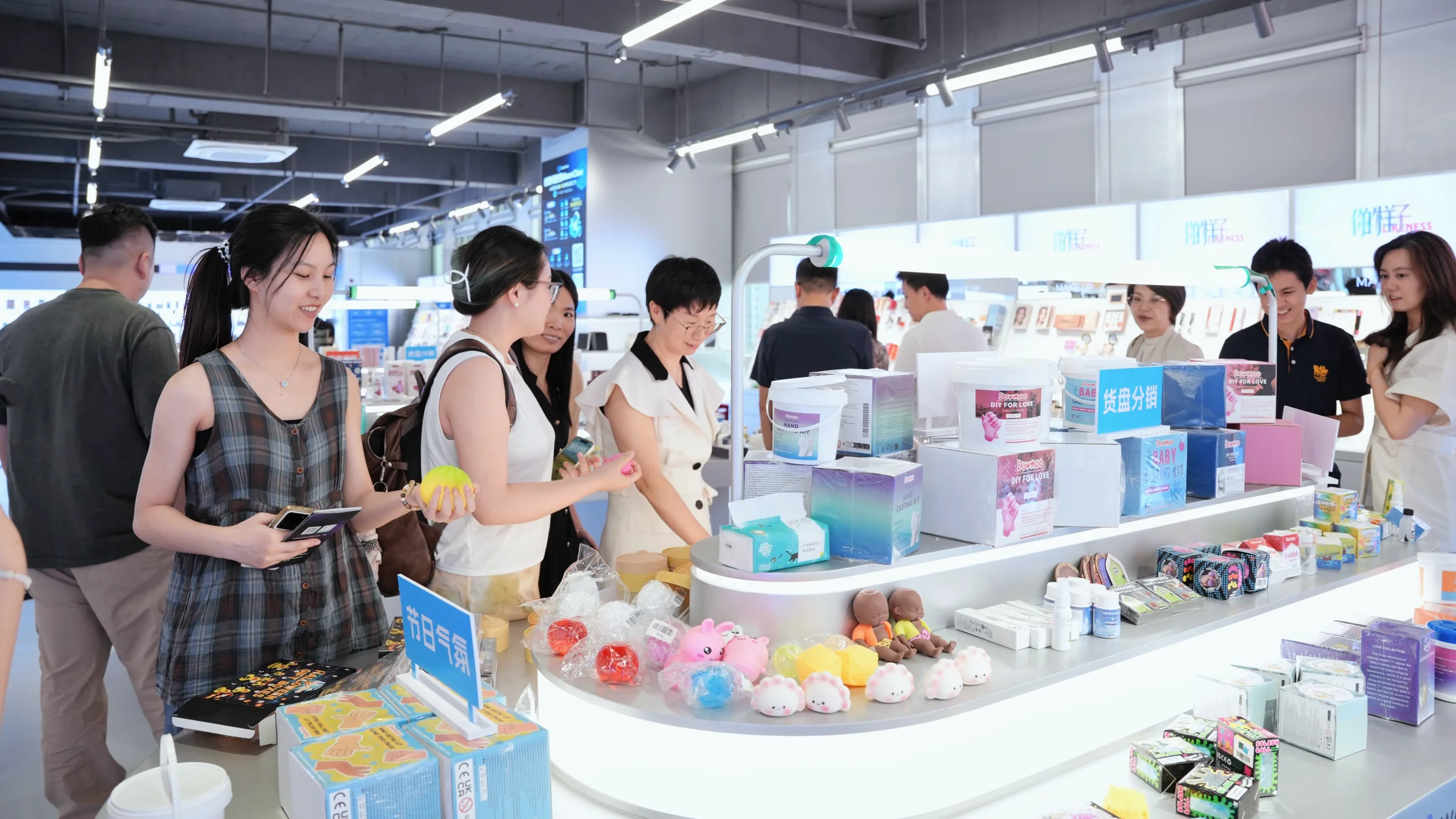
As a digital B2B cross-border platform, Xizhiyue provides small and medium-sized sellers with end-to-end solutions spanning global distribution, supply chain management, and overseas warehousing. The platform currently boasts over 100,000 active SKUs, introduces more than 50 new products daily, and serves over 100,000 sellers across 150 countries and regions.
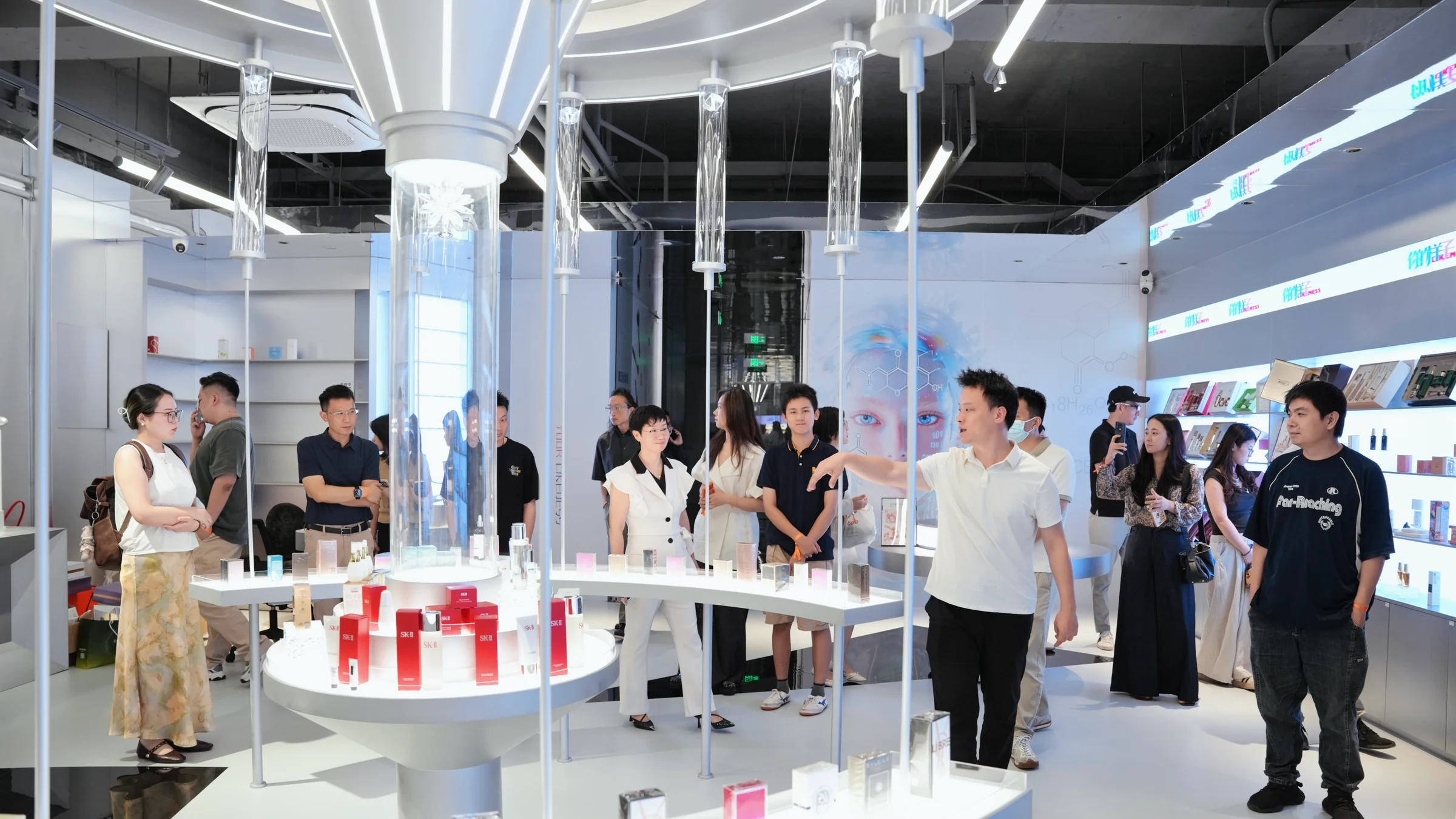
By leveraging its core capabilities—global localized inventory, agile supply chains, self-operated overseas warehouses, and digital R&D—Xizhiyue continues to expand its dropshipping network. This enables sellers to compete globally with lower capital requirements and higher operational efficiency.
Ultimately, the salon delivered a clear message: AI capabilities define the ceiling of operational efficiency, while compliance and supply chain depth establish the baseline for survival. For the massive beauty manufacturing cluster in Southern China, combining Guangzhou's geographical advantages as a global cosmetics hub with digital tools and refined operations is the key to unlocking the next wave of growth.
Moving forward, Zhuangzhuhui will continue to support the cross-border beauty ecosystem by partnering with platforms like Xizhiyue and industry experts to build a collaborative, resource-sharing community for brands seeking sustainable global expansion.
Conversation
0 Comments