
L’Oréal Sales Climb on Haircare Demand and the ‘Lipstick Effect’
L’Oréal beat second-quarter sales expectations, driven by a surge in mass-market haircare and resilient consumer spending in Europe and North America.
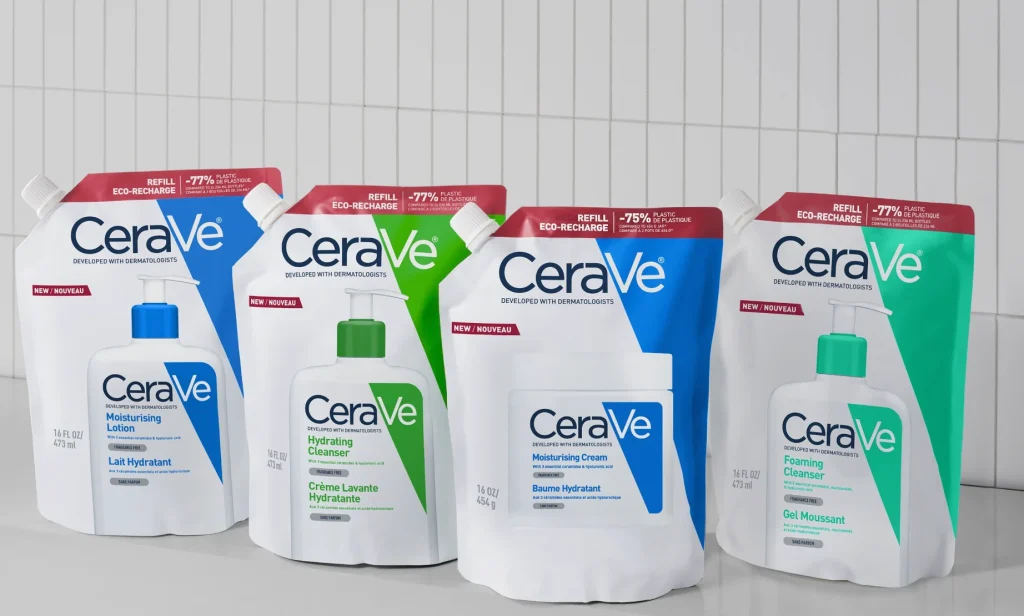
L’Oréal, the Paris-based beauty giant behind CeraVe skincare, Maybelline makeup, and Valentino fragrances, reported second-quarter sales of €11.6 billion ($13.21 billion). This represents a 6.3% increase on a like-for-like basis, adjusting for the rollout of its new IT system, slightly outparing the 5.7% growth projected by analysts in a Visible Alpha consensus.
Historically outperform the broader global beauty market, L’Oréal’s diverse portfolio spans from mass-market staples like L’Oréal Paris makeup and skincare to luxury designer fragrances and professional salon haircare. Although overall growth cooled slightly from 6.7% in the first quarter due to tougher year-over-year comparisons, the company’s consumer products division—its largest business unit—exceeded expectations. This mass-market segment was bolstered by strong haircare sales in Europe and exceptional e-commerce performance.
Chief Executive Nicolas Hieronimus previously highlighted the resilience of the "lipstick effect"—the consumer tendency to purchase affordable luxuries like cosmetics to boost morale during economic downturns. This consumer behavior helped drive a 6.7% adjusted like-for-like sales increase in Europe, L’Oréal’s largest market, despite an ongoing cost-of-living squeeze. Meanwhile, sales in North America, the company's second-largest region, grew by 5.9%.
The positive momentum aligns with broader industry trends. For instance, consumer goods giant Unilever recently posted its strongest volume growth in over a decade, reporting an 8% underlying sales increase in its beauty and wellbeing division for the same period. However, L’Oréal’s Luxe division, which accounts for roughly a third of total sales, fell short of forecasts with 4.7% growth. While the luxury segment achieved double-digit growth in mainland China, persistent headwinds in China's travel retail sector—such as duty-free shopping slow downs—continued to weigh on overall performance. This slow down in travel retail has also impacted other luxury players, even as retail giants like LVMH benefit from sustained growth at Sephora to anchor their first-half performances.
L’Oréal’s shares have risen 4% year-to-date, reflecting steady investor confidence despite localized market challenges.

Conversation
0 Comments