Pepsi Tests Body Care Market with Glamlite TikTok Shop Debut
Pepsi has debuted two limited-edition body care products with Glamlite on TikTok Shop, testing whether food-inspired concepts can drive sustained sales.

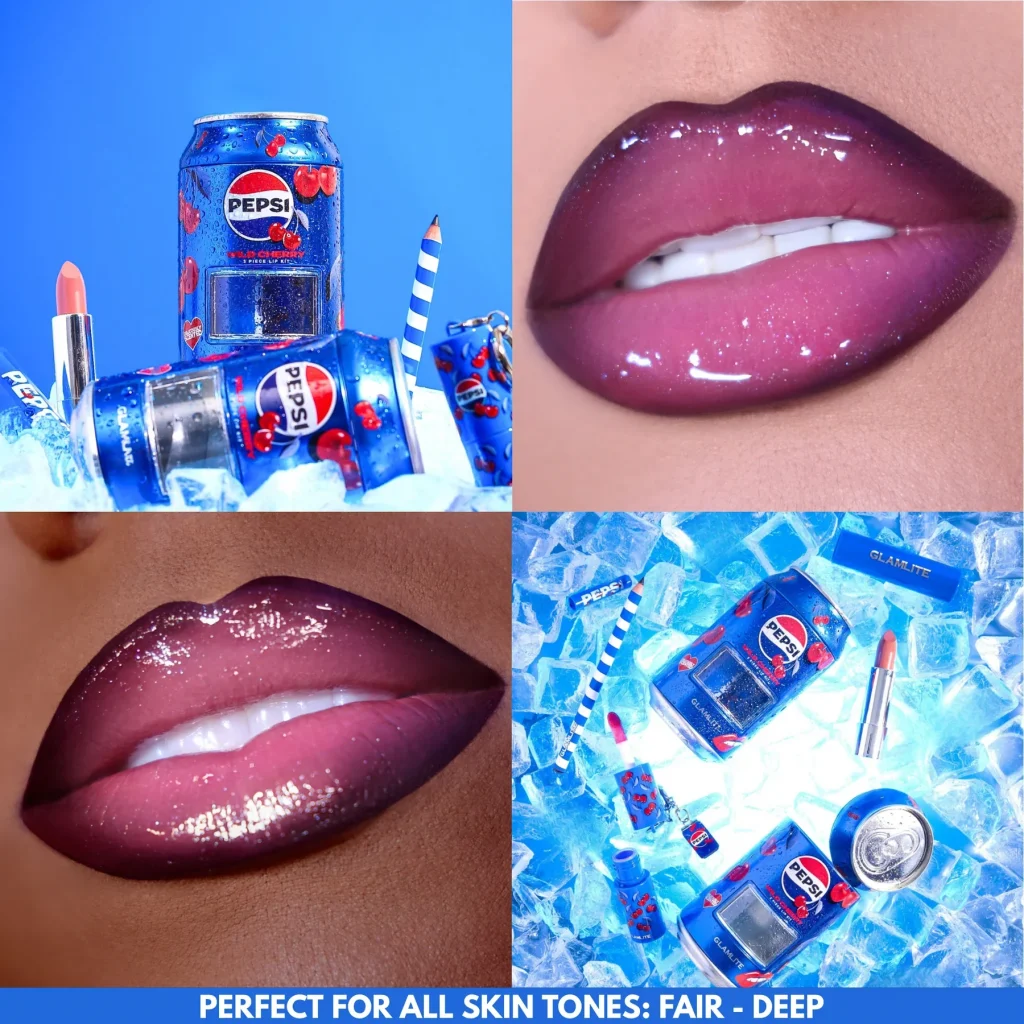
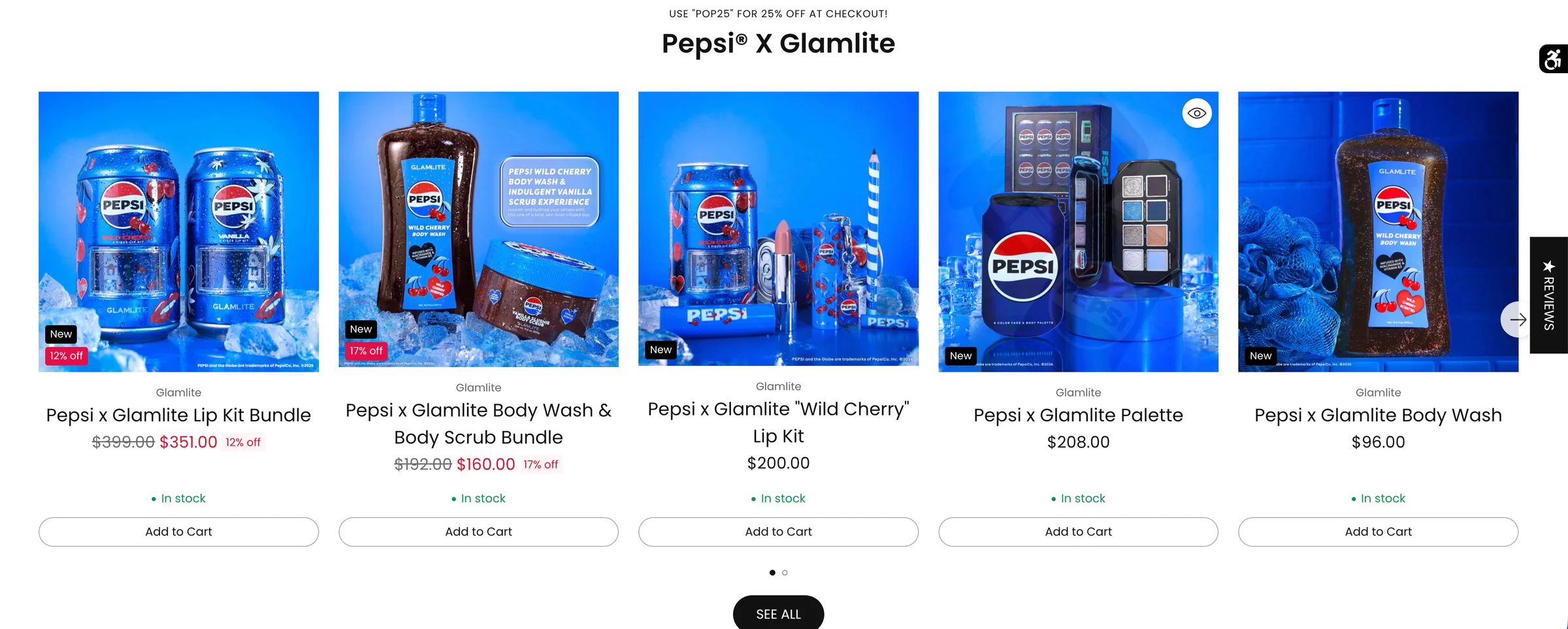
Global food and beverage giant PepsiCo has teamed up with US cosmetics brand Glamlite to launch two limited-edition personal care products: the Pepsi Wild Cherry Body Wash and the Pepsi Vanilla Float Body Scrub. Priced at $12 each, the duo made its initial test debut exclusively on TikTok Shop, marking Pepsi's first foray into body care. The launch has sparked industry discussion on whether food-and-beverage crossovers can convert viral social media buzz into sustained personal care sales.
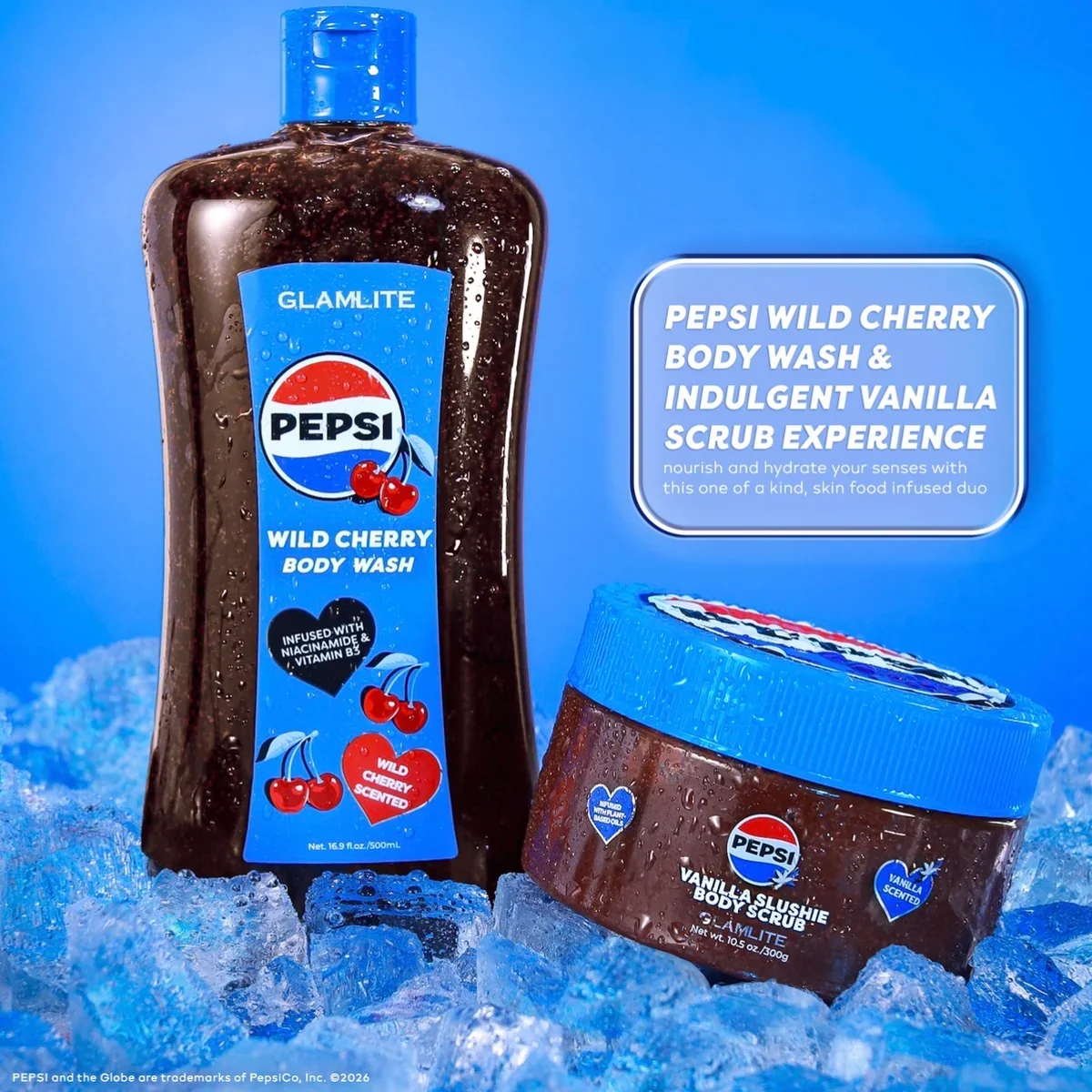
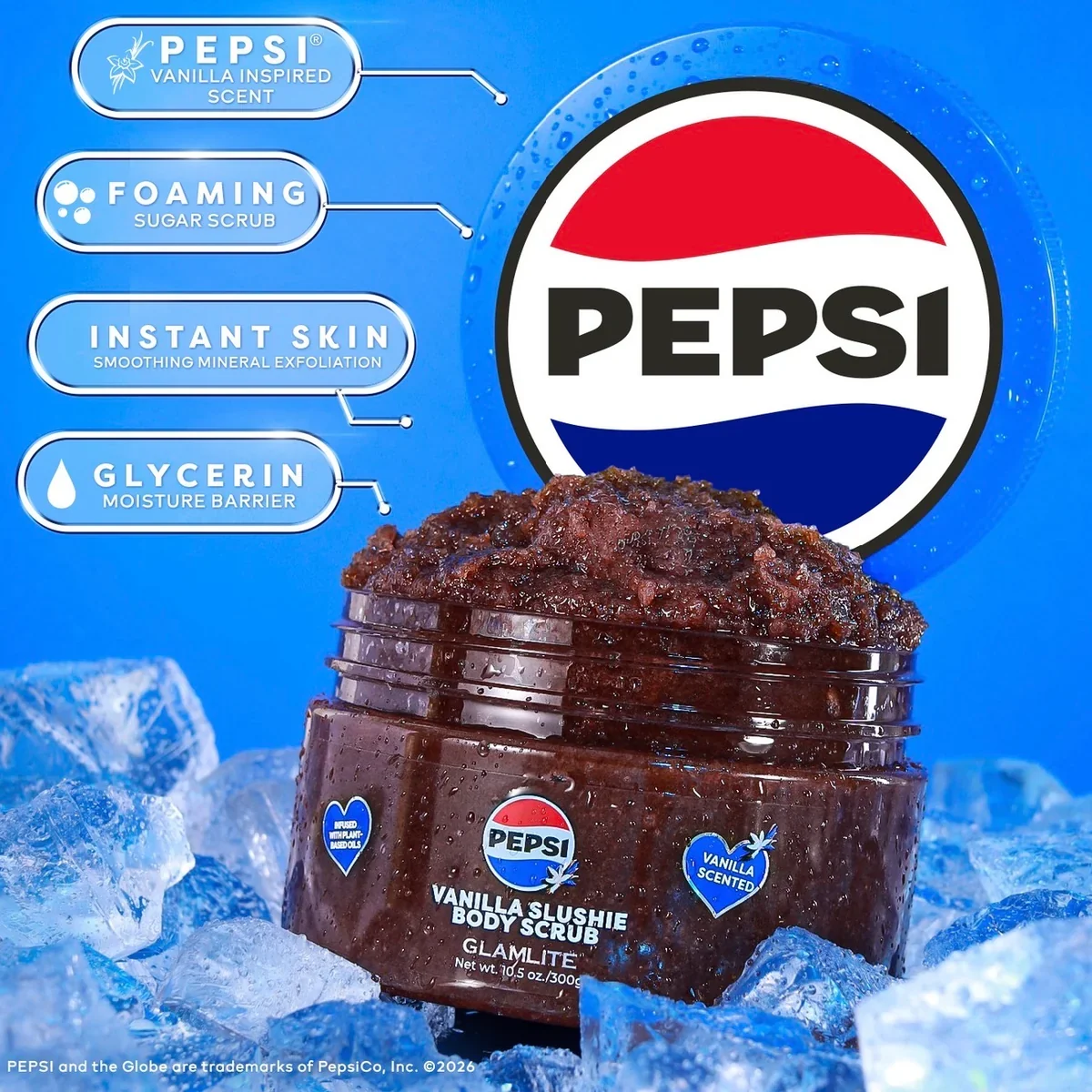
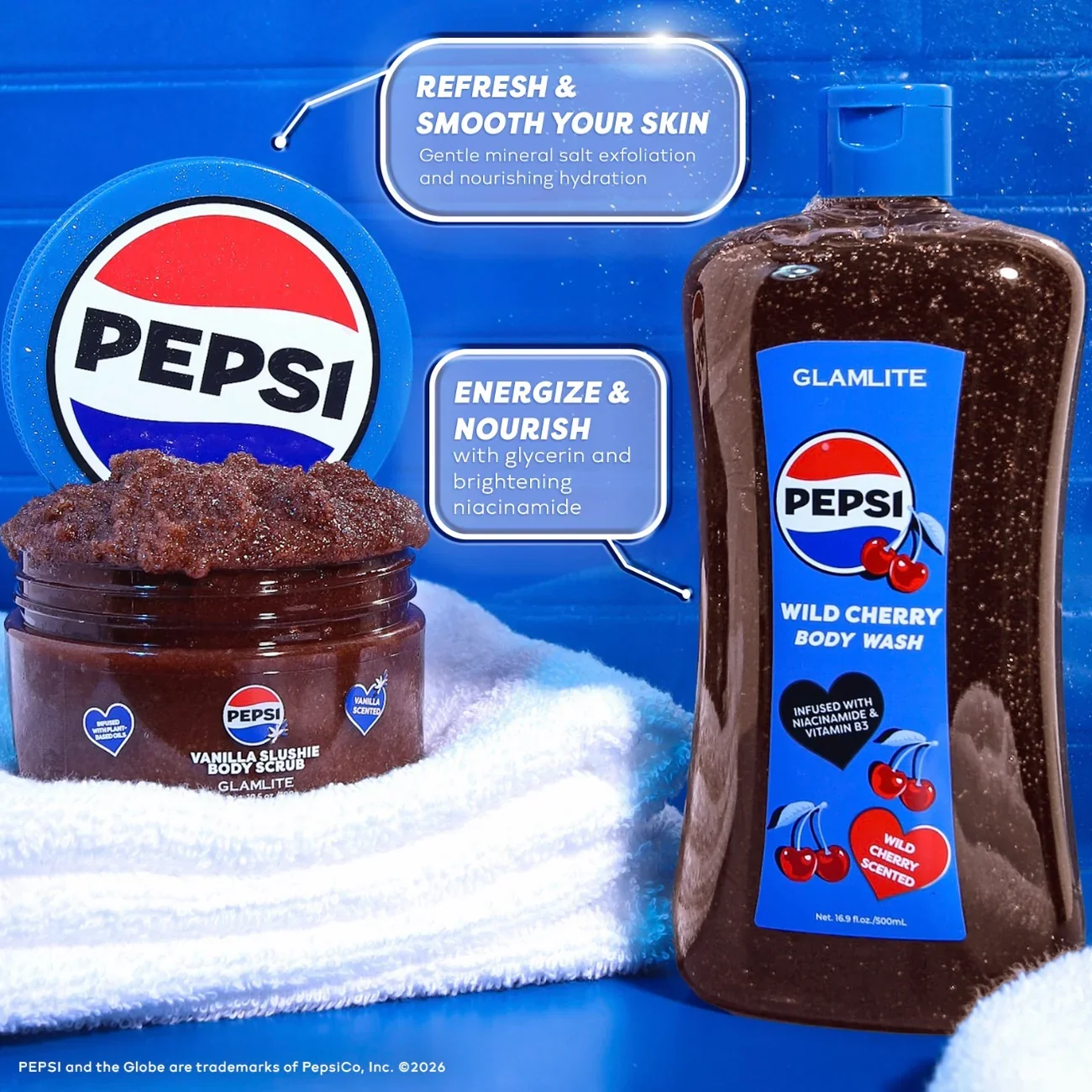
Looking back, food-beauty collaborations have produced both viral hits and notable flops. Can Pepsi's latest venture overcome the persistent challenge facing food-beverage crossovers that generate headline interest without building repeat sales?
A Two-Product Debut Balancing Olfactory Experience with Skincare Actives
The collaborative body care line features two key products:
- Pepsi x Glamlite Wild Cherry Body Wash: Inspired by Pepsi Wild Cherry soda, formulated to leave a crisp cherry cola fragrance on skin.
- Pepsi x Glamlite Vanilla Float Body Scrub: Inspired by Pepsi Vanilla soda, designed to exfoliate while delivering a sweet vanilla aroma.
Both products incorporate active skincare ingredients, including niacinamide, an AHA fruit acid complex, and shea butter, attempting to balance signature beverage scents with functional skin benefits.
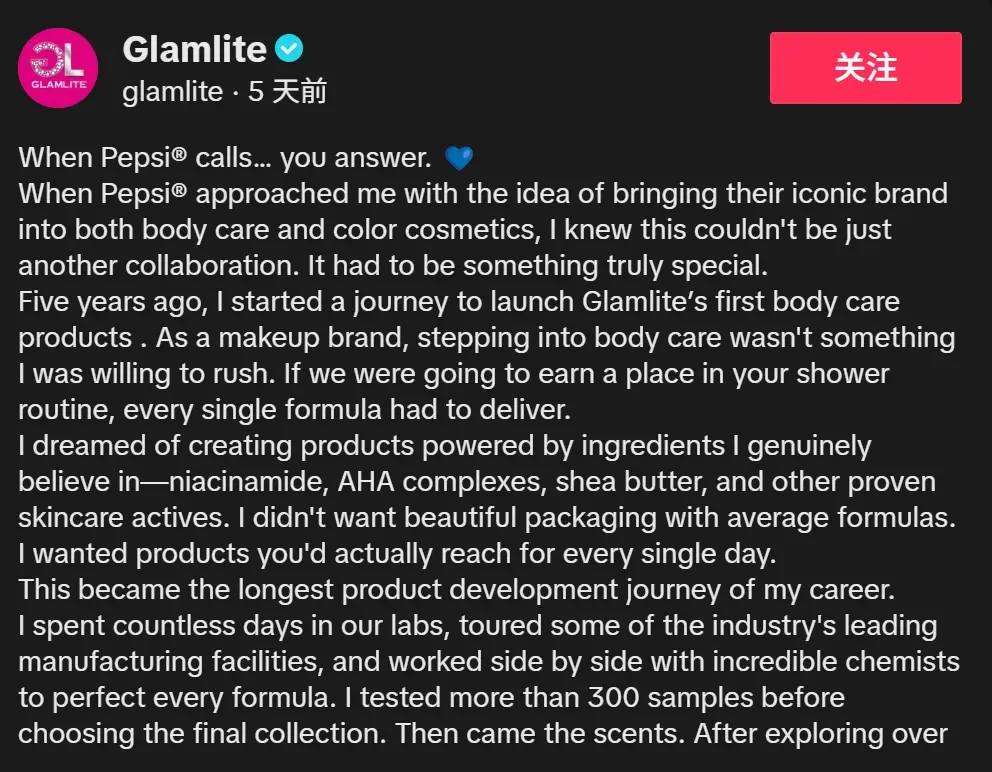
This is far from a standard white-label license. Glamlite founder Gisele Hernandez shared on social media that the partnership fulfilled a "five-year dream." To recreate Pepsi’s recognizable taste profiles as body scents, the development team evaluated over 300 formulas and tested more than 3,000 fragrance combinations before finalizing the Wild Cherry and Vanilla scents.
Pepsi's partner, Glamlite, built its business on food-themed makeup concepts. Founded in 2017 as a handheld mirror company, Glamlite gained widespread attention after launching its viral Pizza Eyeshadow Palette, featuring 18 shades named after pizza toppings like "Marinara Sauce," "Bacon," and "Pineapple."
Since then, Glamlite has introduced food-inspired collections featuring brands like Cheetos as well as pop culture franchises like Rick and Morty. By combining culinary themes with color cosmetics and social commerce, Glamlite achieved over $1.1 million in monthly sales on TikTok Shop. The brand maintains vegan and cruelty-free formulations as it expands from color cosmetics into body care and skincare.
In choosing Glamlite, Pepsi secured a partner with established experience in food-inspired cosmetics and social-first content marketing.
From Fried Chicken Perfume to Candy Lip Balm: The Crossover Playbook
Cross-category collaborations between food brands and beauty companies follow three main strategic models across global markets:
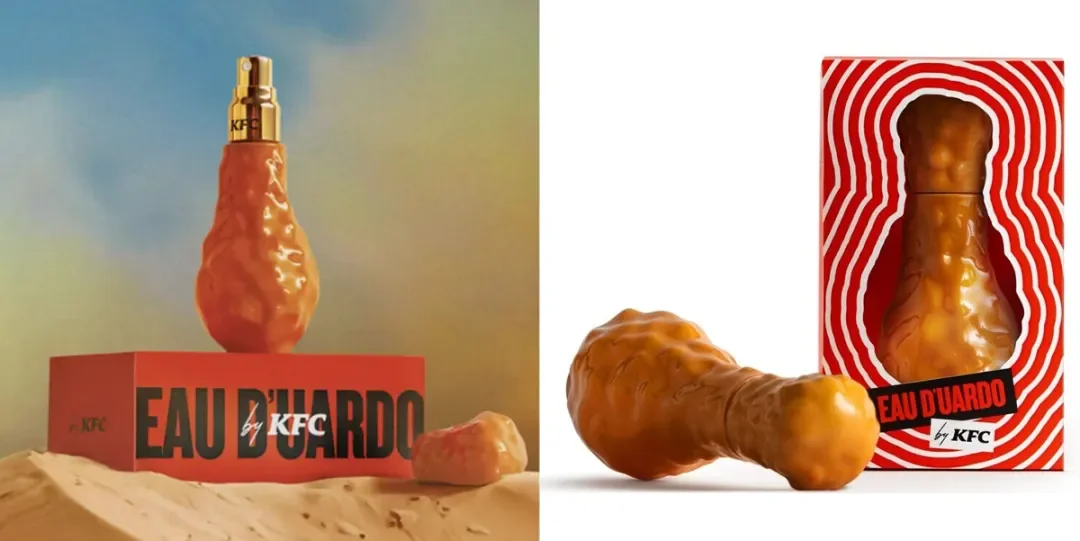
- Olfactory Novelty: Translating signature food aromas into fragrances or personal care products. KFC has been a frequent player in this space: in 2023, KFC Spain introduced its unisex fragrance Eau D'uardo, inspired by its 11 herbs and spices and packaged in a drumstick-shaped bottle, selling out all 25,000 limited-edition units. KFC has previously tested fried-chicken-scented sunscreens, nail polishes, and incense. Burger King similarly launched a flame-grilled "Flame" men's cologne, while Pizza Hut partnered with fragrance brand Demeter on a durian-scented perfume. These products use unconventional scents to generate social media impressions and PR coverage rather than long-term retail velocity.
-
Ingredient Migration: Repurposing food extracts as functional skincare actives. Nestlé launched the Nescafé Skin Care range centered on antioxidant coffee extracts. Heineken debuted a body lotion containing beer yeast and hop extracts, translating a "light taste" into a lightweight skin feel. High-end prestige skincare brand SK-II established this model by deriving its core Pitera ingredient from fermented sake yeast. This approach relies on leveraging natural ingredients with nutritional credibility, requiring brands to substantiate clinical efficacy to gain consumer trust.
-
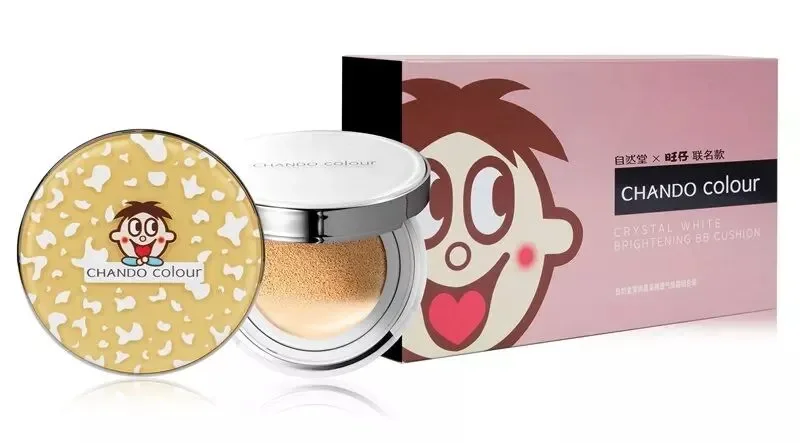
IP Nostalgia: Applying recognizable food packaging, visual identity, and brand equity to cosmetics. In 2018, Chinese confectionery brand White Rabbit teamed up with personal care brand Maxam on a milk-candy-scented lip balm in classic retro packaging, selling out its first run instantly. Similar nostalgia-driven launches include Want Want's cushion compact with Chando, Perfect Diary's Oreo-patterned cushion foundation, Etude House's Hershey's chocolate eyeshadow palettes, and INTO YOU's Coca-Cola makeup set. In these collaborations, the food brand provides instant visual awareness while the beauty manufacturer supplies product formulations.
Pepsi's collaboration with Glamlite combines olfactory novelty with IP nostalgia. However, long-term commercial success in body care depends on repeat purchases rather than initial social media chatter.
The Crossover Dilemma: Viral Buzz vs. Product Retention
Food-beauty collaborations offer clear marketing advantages:
- Organic Reach: Food brands entering beauty generate earned media coverage and social media engagement. Pepsi's body wash announcement prompted immediate online debate between interested buyers and commenters joking about "smelling like marinating cola wings," creating unpaid promotional reach.
- Lower Acquisition Costs: Pepsi's global consumer awareness gives the collection direct exposure among shoppers who might not follow niche beauty launches.
- Incremental Category Revenue: Circana data indicates that food-inspired beauty products represented 3.5% of total beauty market sales in 2025, representing a measurable growth opportunity for global consumer brands.
However, product execution risks remain high. PepsiCo's Cheetos brand previously released a barbecue-and-cheese flavored lip balm that failed to gain traction due to aggressive neon orange tinting and artificial cheese scents.
Past failures in cross-category beauty products highlight key industry lessons:
- Understand Category Expectations: Consumer preferences in food and beverage do not automatically translate to personal care formulations.
- Prioritize Core Functionality: Lip balms require effective moisturization and body scrubs require quality exfoliation; heavy scenting cannot compensate for weak baseline performance.
- Deliver Product Quality for Repeat Purchases: Novelty packaging drives trial sales, but formula performance determines long-term customer retention.
As FMCG brands continue entering personal care, companies face the challenge of proving whether concept launches can generate sustained repeat revenue or join the list of short-lived gimmicks, an issue common to novelty debuts attempting to escape beauty's short brand lifespan.
Pepsi's TikTok Shop test demonstrates that cross-category success depends on whether a novelty launch can convert initial curiosity into regular repeat purchases.

Conversation
0 Comments