Zhao Lusi Launches Rose Amigo: Can Celebrity Brands Escape Beauty’s Short Lifespan?
Zhao Lusi's Rose Amigo launch shows how celebrity beauty brands in China are tackling niche categories, mature supply chains, and the shift from fan hype...

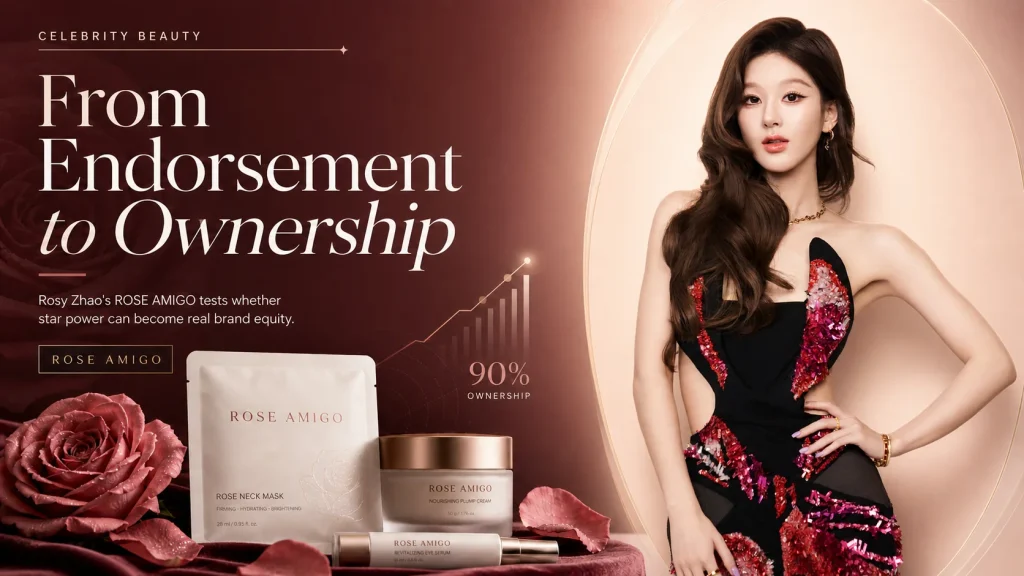
Brand ambassadorships are just endorsements, but founding a brand makes a star a true business owner.
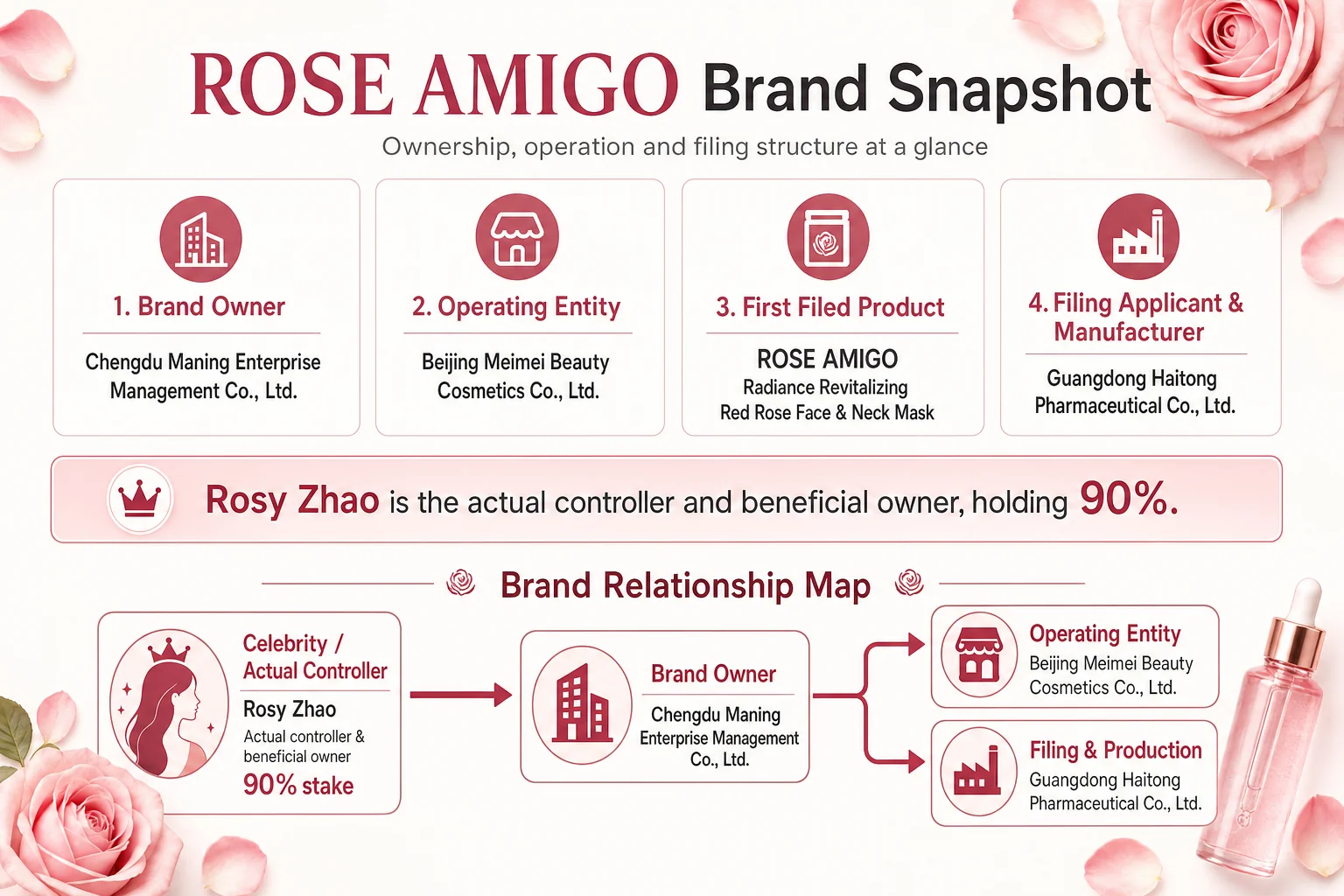
Chinese actress Zhao Lusi recently launched her personal beauty brand, ROSE AMIGO, capturing immediate attention across China's cosmetics industry. Unlike previous celebrity ventures that rushed into standard facial sheet masks, ROSE AMIGO debuted with a dual-purpose product: the Radiant Glow Red Carpet Face & Neck Mask.
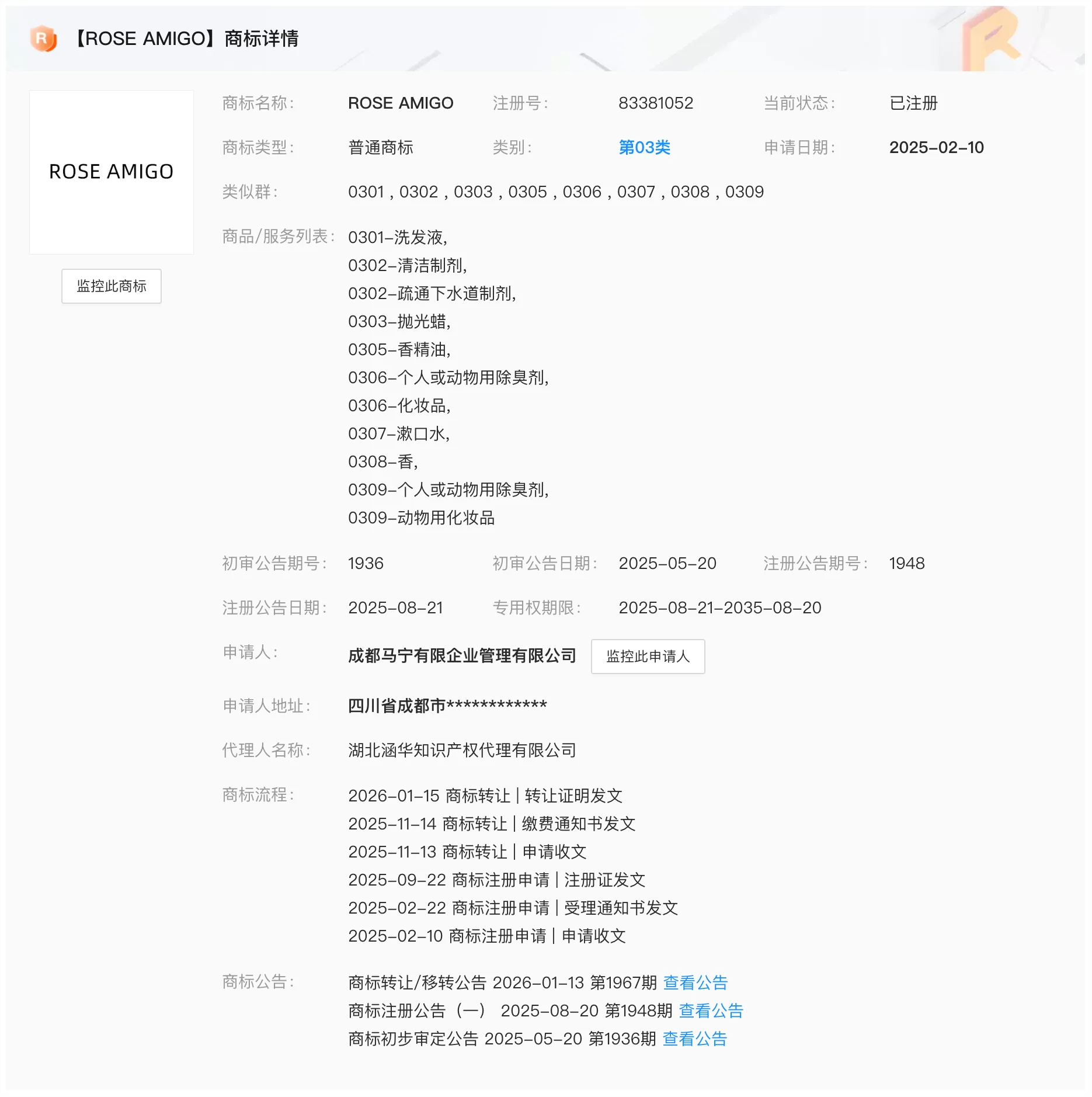
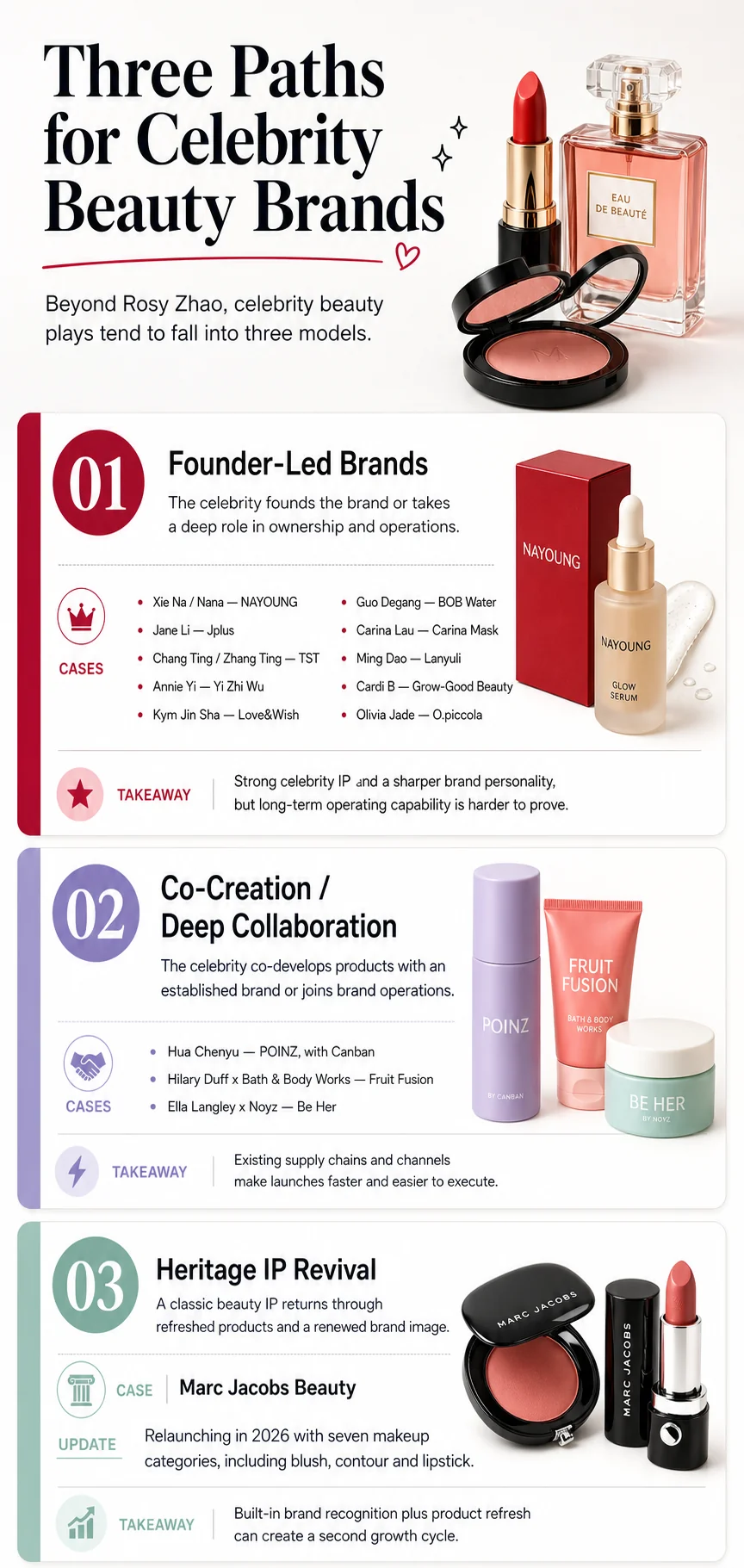
Corporate registry records from TianYanCha show that the trademark for ROSE AMIGO was registered by Chengdu Maning Enterprise Management Co., Ltd., in which Zhao Lusi holds a 90% controlling stake as the ultimate beneficiary. This hands-on ownership structure marks a clear departure from traditional celebrity licensing, leaving the actress directly responsible for the brand's financial profits and losses.
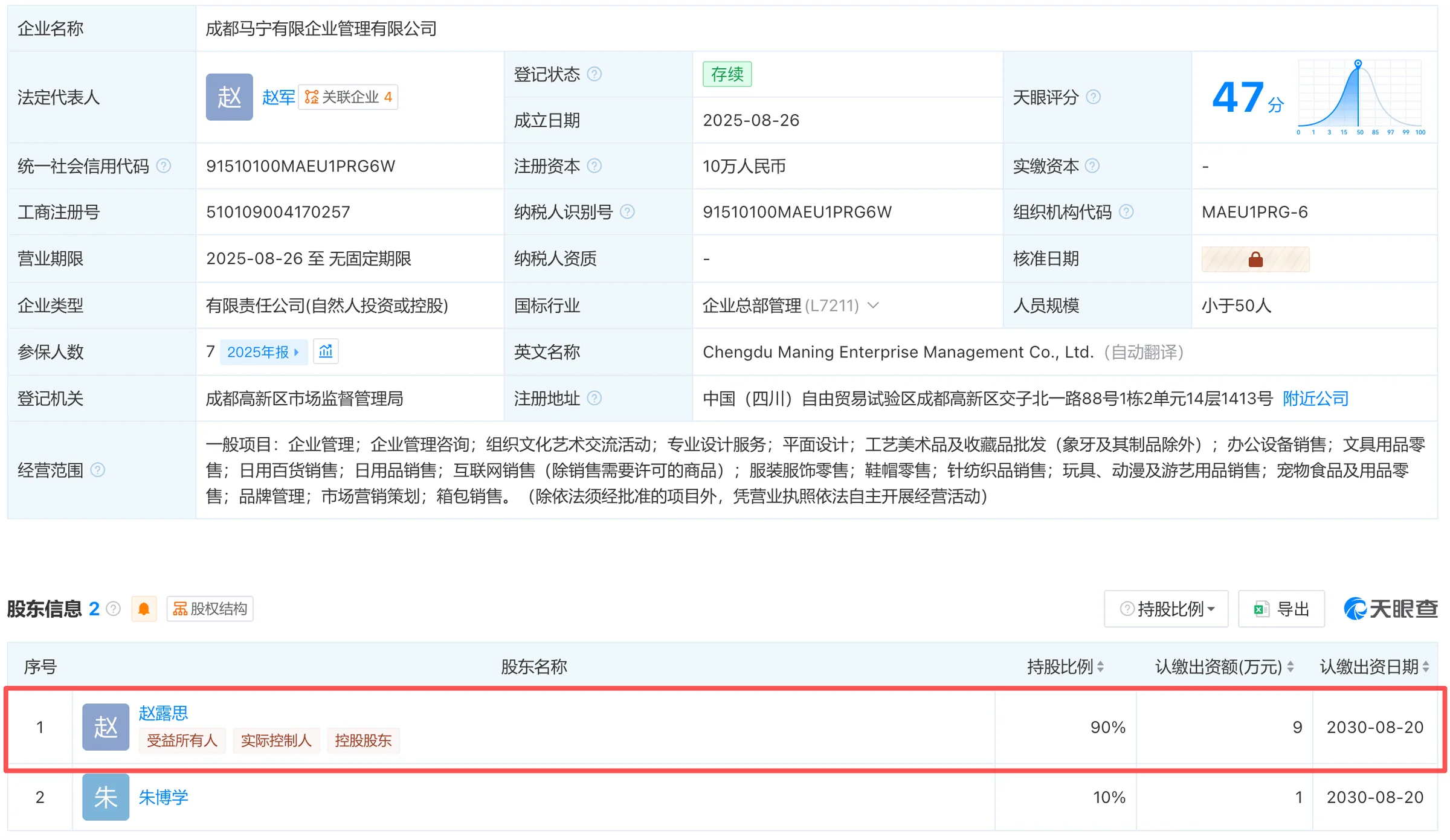
Zhao Lusi is far from alone. Around the world, celebrity-led beauty ventures generally follow three distinct paths:
- Independent Brands: Domestic celebrity lines like Xie Na’s NAYOUNG, Li Jing’s Jplus, Zhang Ting’s TST, Annie Yi’s Yizhiwu, Kym Jin Sha’s Love&Wish, and Ming Dao’s Lanyu, alongside global indie brands like Cardi B’s Grow-Good Beauty and Olivia Jade’s O.piccola.
- Strategic Co-Creations: Chinese pop star Hua Chenyu co-operates his personal care brand POINZ with oral care company Saker; American actress Hilary Duff teamed up with Bath & Body Works for the Fruit Fusion body care line; and singer Ella Langley partnered with fragrance brand Noyz on the scent BeHer.
- Legacy Brand Relaunches: Marc Jacobs Beauty made a major market return in 2026, debuting a refreshed lineup across seven color cosmetics categories, including blush, bronzer, and lipsticks.
Despite the endless wave of celebrity entrants, few brands maintain long-term market viability. In China, notable exceptions include actress Fan Bingbing’s Fan Beauty Diary and makeup artist brand Mao Geping, which successfully completed an IPO. Internationally, Rihanna’s Fenty Beauty remains the gold standard.
Why is it so difficult for celebrities to convert massive social followings into lasting brand equity? What roadblocks occur between a fan’s initial purchase and repeat orders? And as organic traffic wanes, what strategy truly sustains a celebrity beauty brand?
Market Divergence: Traffic Wars Drive a Beauty Industry Shakeout
"In difficult times, beauty is a great solace," observed L'Oréal CEO Nicolas Hieronimus, highlighting the resilience of consumer demand in cosmetics. That resilience is backed by China's highly mature OEM and ODM supply chain—ROSE AMIGO's debut product was formulated and manufactured by Guangdong Haitong Pharmaceutical Co., Ltd., while its brand accounts on Chinese lifestyle platform Xiaohongshu and TikTok's Chinese sister app Douyin are managed by Beijing Meimeimei Cosmetics Co., Ltd.
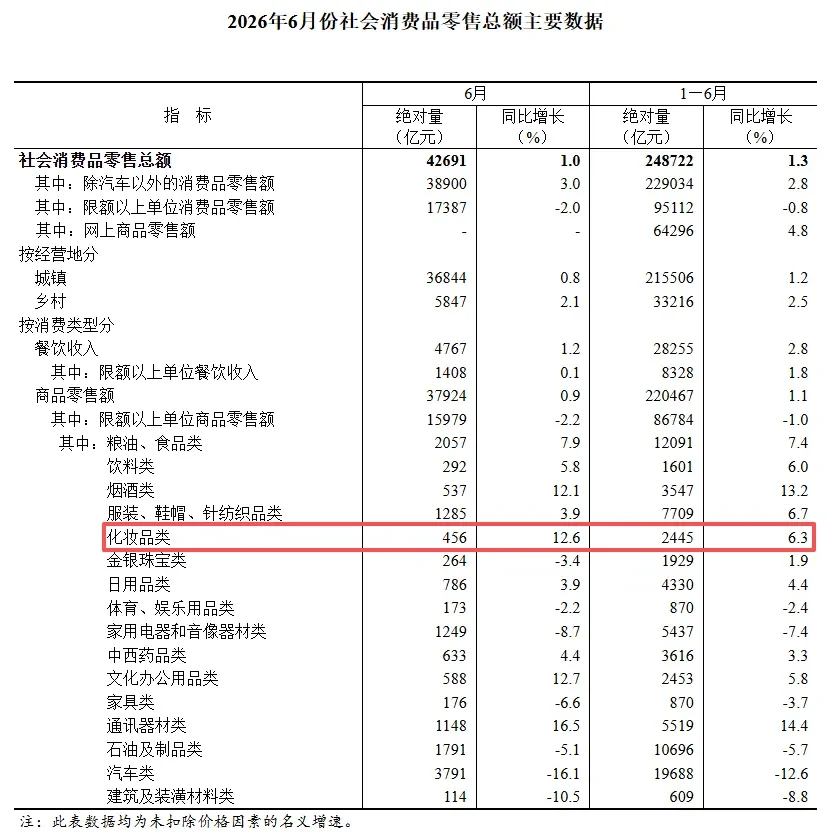
According to data from the National Bureau of Statistics of China, retail sales of cosmetics grew 6.3% year-on-year in the first half of 2025, reaching 244.5 billion RMB ($34 billion) and easily beating the broader consumer retail growth rate of 1.3%.
Yet the beauty sector remains driven by brand awareness, engagement, and emotional resonance. Glossier founder Emily Weiss once noted that beauty is inherently emotional—when shopping online, consumers seek a deep connection with a brand beyond just fast shipping and broad product selection. Aligning with this trend, ROSE AMIGO adopted the tagline "You are your perfect number; I am the AMIGO who understands you" to cultivate emotional affinity with young consumers.
However, channel fragmentation and rising customer acquisition costs are raising the bar for sustained brand profitability. Procter & Gamble Chief Brand Officer Marc Pritchard described today's media landscape as a "highly fragmented world." This has created a stark industry divide: while manufacturing and supply chain costs continue to drop, the operational cost of building an enduring brand has skyrocketed.
In this environment, even top-tier influencers and celebrities rely heavily on paid traffic acquisition during live commerce events. Third-party data shows that paid ads accounted for 24.88% and 55.57% of live traffic for popular Chinese hosts Jia Nailiang and Zhao Yingzi, respectively. Even mega-creators like "Guangdong Couple" saw paid traffic hit 48.03%, proving how difficult it has become to rely solely on organic reach.
As paid media becomes mandatory, price wars intensify, and manufacturing overcapacity persists, high top-line growth across the industry is accompanied by a wave of brand closures.
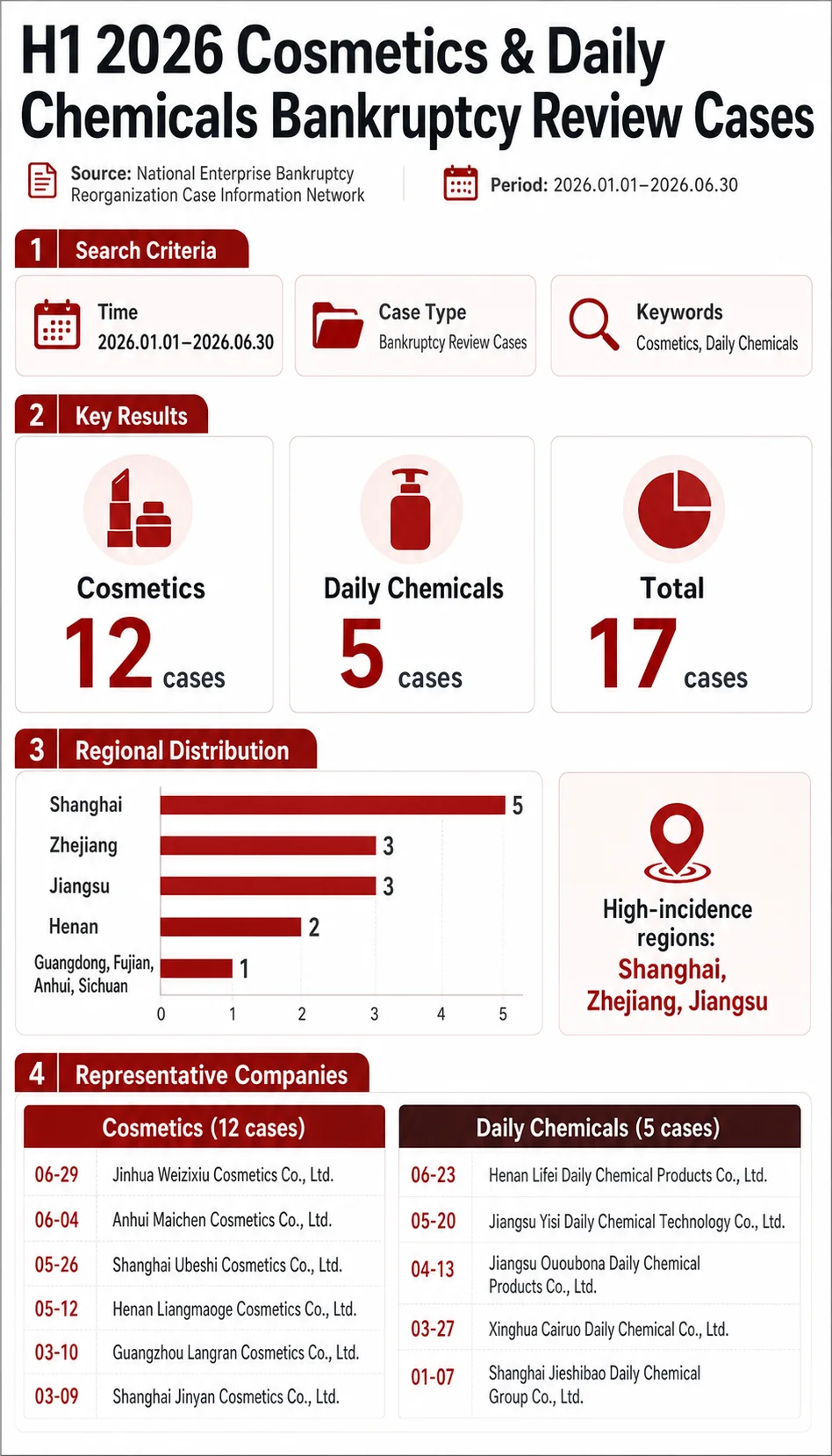
On one side, domestic Chinese beauty brands are undergoing severe consolidation. Shanghai Yongxi, parent company of base makeup brand blank me, faced bankruptcy proceedings, while legacy skincare maker JKO entered forced liquidation. Data from national judicial registries shows that 17 beauty and daily chemical enterprises entered bankruptcy review in the first half of 2026 alone.
On the other side, several international brands have scaled back in mainland China. Filorga closed its flagship store on Tmall while winding down operations on JD.com and Douyin; Kanebo-owned KATE closed its Tmall and Douyin storefronts simultaneously; Mamonde suspended official mainland social media accounts and shuttered direct online commerce; and pharmacy retailer Youbeishi entered bankruptcy restructuring. Similar market shifts are occurring globally, where even major groups must adjust strategy; for instance, L’Oréal maintains momentum as Gucci Beauty integration takes shape across international prestige channels.
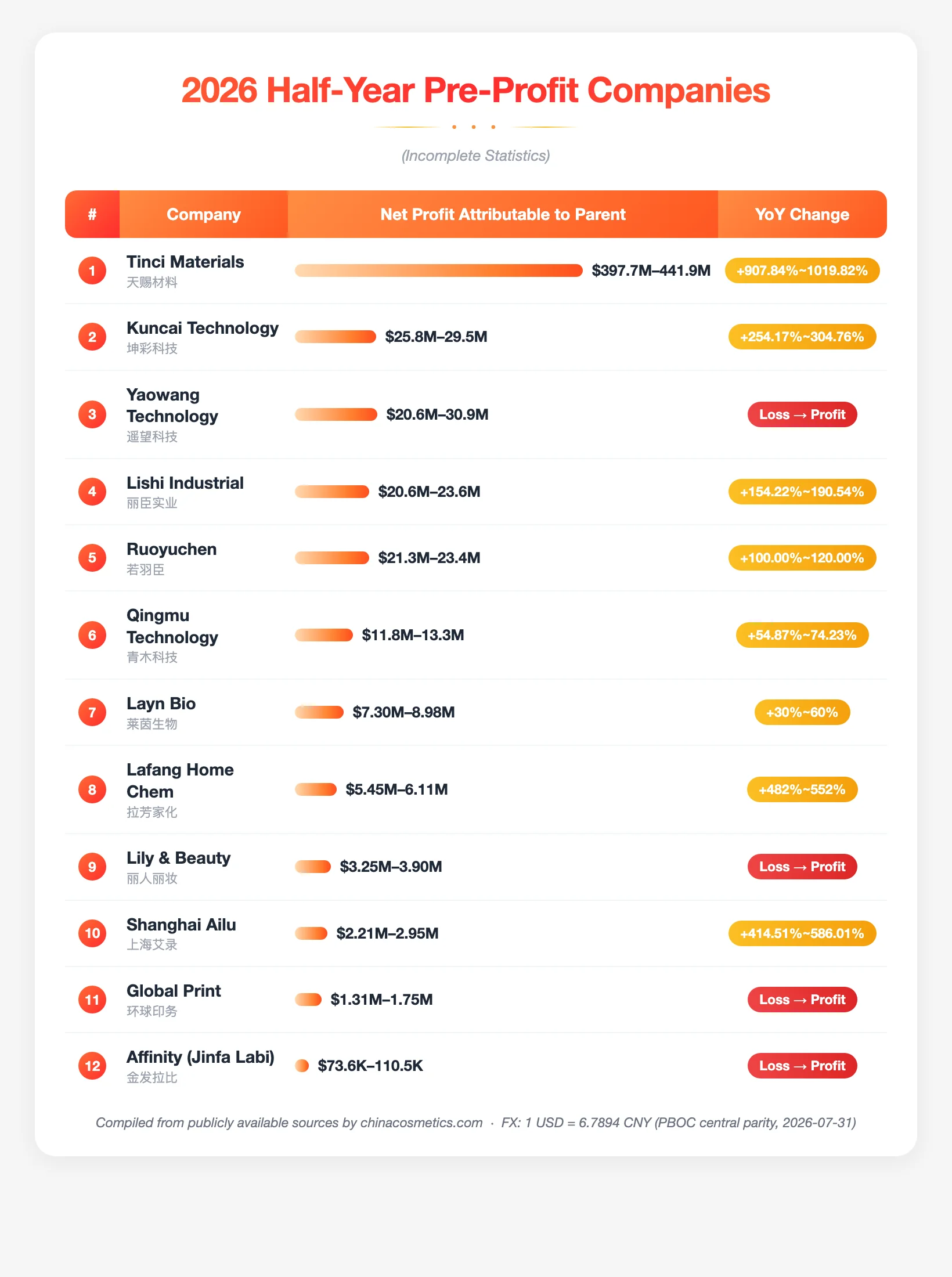
This polarization shows that beauty spending is consolidating around top-performing, digitally agile brands. In H1 2026, leading upstream suppliers saw impressive profit surges: chemical supplier Tinci Materials projected net profit growth of up to 1019.82%, personal care maker Lafang China anticipated net profit growth of up to 552%, and supply chain partners Shanghai Ailu, Kuncai Tech, Lichen, and Ruoyuchen all doubled their net profits year-on-year.
Moving From Traffic Dependency to Brand Equity
Compared to traditional indie startups, celebrity brands enjoy built-in traffic that accelerates initial launch momentum. ROSE AMIGO's WeChat Search Index surged from 135 on July 8 to over 1.4 million on July 16. Similarly, Hua Chenyu’s POINZ store on Douyin reported over 280,000 total sales, with its flagship SKU passing 50,000 units.
However, global beauty history demonstrates that transitioning from short-term star power to long-term brand equity requires passing four key hurdles:
- Product Purpose vs. Novelty Merchandise: Does the brand offer actual solutions or just fan merchandise? Makeup brand Mao Geping succeeded by focusing on specialized contouring techniques for East Asian facial structures, building an educational content ecosystem that drives conversion. Fenty Beauty addressed an overlooked market gap by launching 40 shade foundations for deeper skin tones—a move that redefined industry standards and earned a spot on TIME's Best Inventions of 2017.
- Accessible Value vs. Fan Exploitation: Is the product priced for general value or inflated as a celebrity markup? Reuters reported Fenty Beauty’s 2024 net sales reached $450 million with a valuation between $1 billion and $2 billion. Despite its partnership with luxury conglomerate LVMH, Fenty's growth was fueled by balancing high quality with accessible pricing. In contrast, K-pop star Somi’s makeup brand GLY faced consumer backlash for steep pricing on minimalistic packaging. In China, facial sheet masks remain a favorite celebrity category due to low cost and high gross margins—industry filings show top brand Fuljia maintained an 81.95% gross margin in 2021, with raw material costs of around 10 RMB ($1.40) per box for masks retailing at 148 to 199 RMB.
- Institutional Operations vs. Personal Hype: Can business operations run smoothly without constant celebrity promotion? Fan Bingbing’s Fan Beauty Diary continues to thrive years after the actress scaled back public appearances, maintaining top positions on Douyin's skincare sales leaderboards. These live sales channels reflect broader shifts in digital commerce, raising the question of whether TikTok Shop is becoming the beauty industry's most critical channel for direct-to-consumer growth globally.
- Repeat Purchases vs. One-Time Orders: Can the brand expand past core fans to everyday shoppers? Fenty Beauty built long-term success because everyday consumers repurchased its products for shade accuracy and performance, not celebrity loyalty. Mao Geping evolved from a founder-led artist label into an established prestige brand with physical department store counters nationwide.
Category Ceilings and the Repeat Purchase Challenge
Zhao Lusi's choice to launch ROSE AMIGO with a neck mask targets a high-growth, low-competition niche. Data from Yimiyoushu shows sales in Douyin’s neck care category surged 460% year-on-year in 2025. Market intelligence firm Mojing reported that while neck creams dominated 90.62% of the market in early 2025, neck mask sales grew 70.31% YoY, outstripping neck creams' 65.63% growth.
Furthermore, industry data from Qingyan indicates that the neck mask segment on Chinese e-commerce remains fragmented without a dominant legacy player. Top brands like Kans, KAZOO, and Kangaroo Mommy rely primarily on influencer live streams and celebrity endorsements—KAZOO sold over 1.9 million units across two hero neck masks endorsed by actress Dilraba Dilmurat.
Globally, brands approach neck care through four operational models: Shiseido integrates face-and-neck dual care; CurrentBody focuses on post-procedure clinical recovery; Ya-Man pairs microcurrent devices with proprietary consumables; and CLEARSTEM positions neck masks as "Me Time" emotional self-care—an approach closely mirrored by ROSE AMIGO's branding.
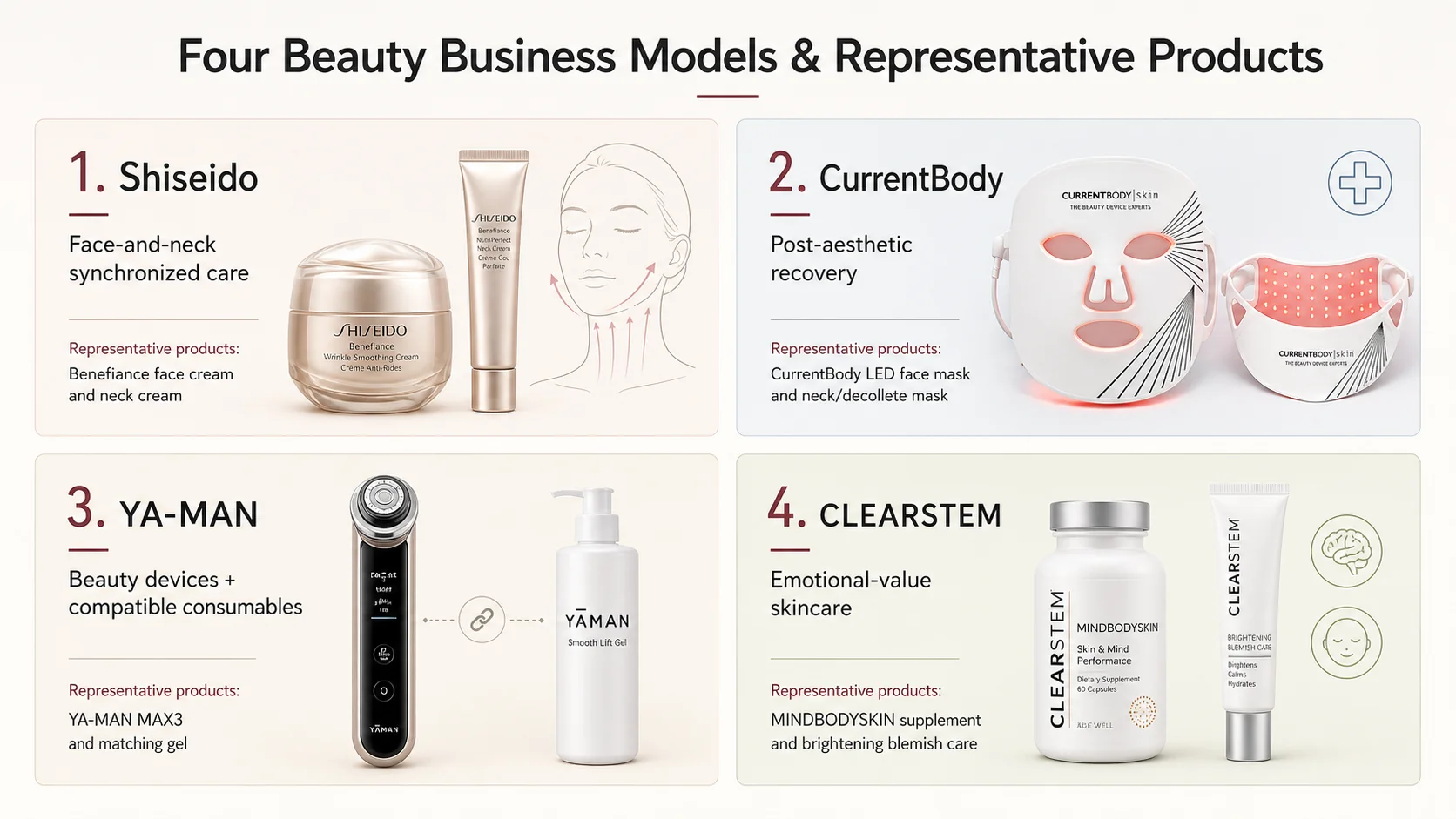
Despite rapid growth in specialized niches, the overall market ceiling for neck masks remains modest. Fortune Business Insights estimates the global neck mask market at $2.57 billion in 2025—just a fraction of the $354.68 billion global cosmetics market. This small total addressable market explains why major beauty conglomerates rarely prioritize standalone neck masks, and highlights three core operational challenges for ROSE AMIGO:
- Lack of Proprietary Formulation Barriers: Contract manufacturing (OEM/ODM) allows fast market entry, but formula and sheet material designs are easily replicated by competitors once initial hype fades.
- High Product Substitutability: Neck care concerns like fine lines can easily be addressed with multi-purpose anti-aging creams or daily facial moisturizer extended down to the chest. StriVectin, for example, sells neck sheet masks as occasional supplements, while generating core neck care revenue from daily creams.
- Low Usage Frequency: Neck masks are typically reserved for special events like weddings, red carpets, or weekly spa treatments, making organic repeat purchases less frequent than daily facial skincare.
Global beauty conglomerates continue to focus heavily on high-frequency core categories like color cosmetics and daily face moisturizers to drive recurring revenue. While celebrity launches into niche categories offer fast initial momentum, long-term survival depends on whether brands can build proprietary formulas, expand into broader product suites, and earn genuine repeat purchases from mainstream consumers.
Conversation
0 Comments