
Sephora Expands K-Beauty Lineup With Sustainable Brand Yepoda
Sustainable K-beauty brand Yepoda enters Sephora U.S. as Korean cosmetics sales hit $2.8 billion, driven by social commerce and category expansion.
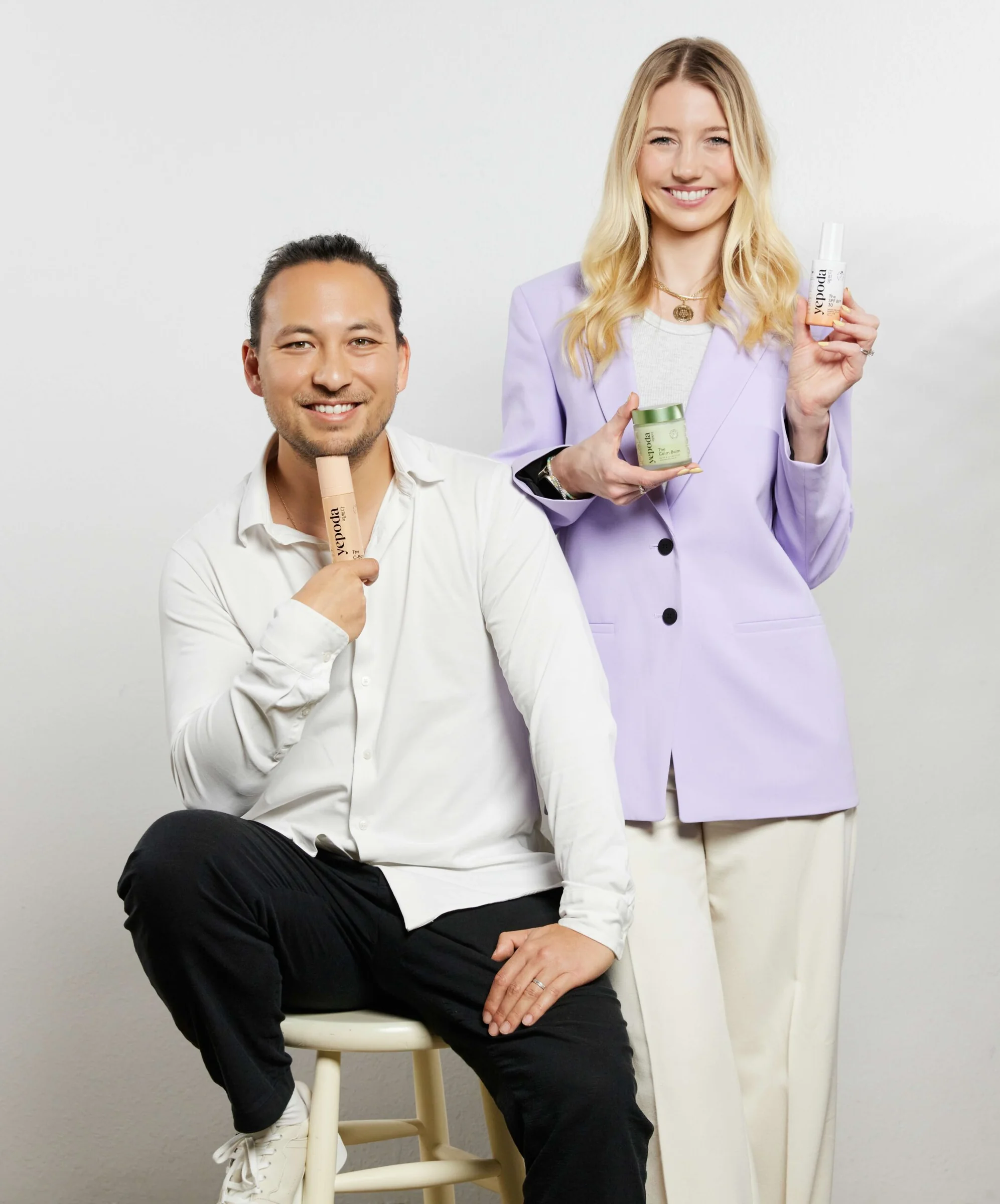
When husband-and-wife duo Sander Joonyoung van Bladel and Veronika Strotmann launched their K-beauty brand Yepoda to friends and family in the Netherlands in 2020, critics warned that the Korean beauty hype had already peaked. But van Bladel, who is half Korean and half Dutch, had spent years bringing Korean skincare products back for friends at home. He believed K-beauty was only beginning to take root in Western markets.
“In Europe, we never truly experienced the first wave of K-beauty, so its full potential wasn't understood,” says van Bladel. “I view Korean beauty much like German engineering or Swiss watchmaking—it is a global benchmark for beauty innovation.”
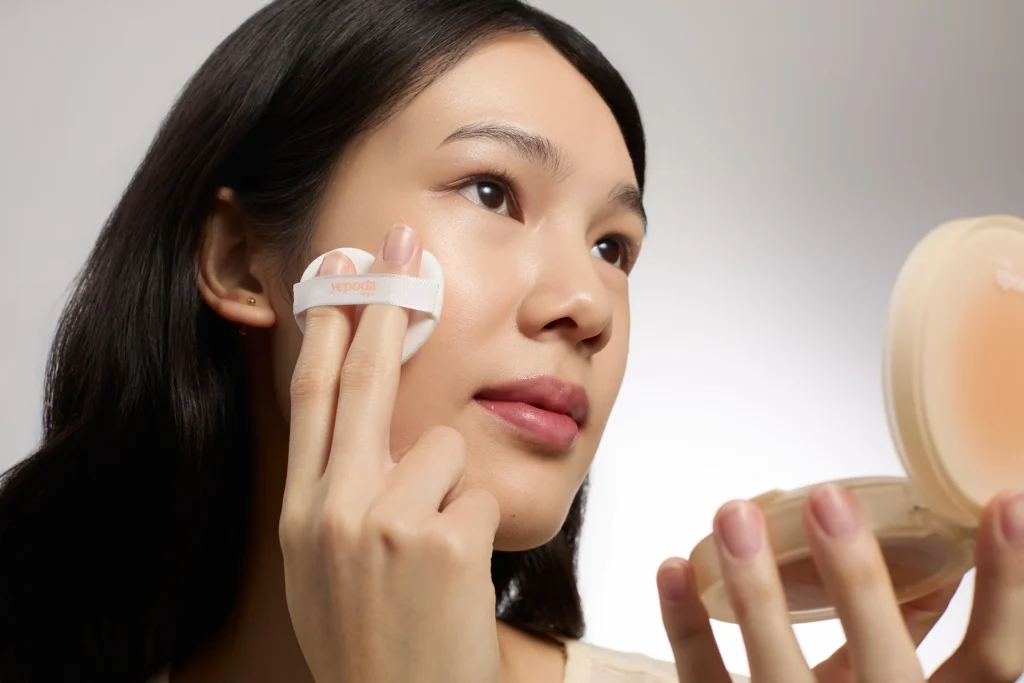
Now, six years after its founding, Yepoda—which means “pretty” in Korean—is bringing its European-influenced K-beauty perspective to the United States through Sephora. The certified B Corp, which boasts two million customers worldwide, will offer its six-step routine ($23 to $39) through Sephora online and in stores starting Aug. 11. Yepoda features guided daily regimens, color-coded packaging, and clean, sustainable formulations, with 60% of its product lineup offered in refillable packaging. The brand originally debuted in Sephora Europe last year as a retailer exclusive following a Series B funding round.
Retail currently accounts for 10% of total revenue for Yepoda, which surpassed $100 million in total sales in 2025, up from $71 million in 2024. The company achieved profitability in 2024 and has raised two undisclosed funding rounds to date.
“I see K-beauty similarly to German cars, Swiss watches, or Italian leather. Korean beauty is an innovation standard in the beauty industry.”
Yepoda's U.S. expansion comes during a broader second wave for K-beauty in the American market. Moving well beyond the skincare-focused boom of the 2010s, this current wave spans color cosmetics, haircare, scalp care, body care, and intimate wellness. Major retailers including Sephora and Ulta Beauty are eager to diversify their beauty assortments as market competition intensifies, particularly following Korean retail giant Olive Young's opening of its first U.S. store in May.
Overall, U.S. sales of K-beauty products reached $2.8 billion in early 2026, representing a 48% year-over-year increase, according to market intelligence firm NielsenIQ. Social commerce platforms like TikTok Shop—which is rapidly emerging as one of the beauty industry's most critical retail channels—have accelerated this growth. Brand sales for K-beauty labels on TikTok Shop soared 430% year-over-year in the U.S., according to NielsenIQ data.
“While skincare remains the core foundation of K-beauty, we are also expanding our assortment to showcase everything Korean beauty has to offer, including haircare and makeup,” says Carolyn Bojanowski, executive vice president of merchandising at Sephora U.S. “Yepoda is a natural addition to our brand matrix, offering clean, efficacious skincare formulas and a strong focus on product education.”
To support its U.S. launch, Yepoda will host four-day pop-up experiences in New York and Los Angeles in September. The brand is also organizing an influencer brand trip to South Korea for U.S. content creators to demonstrate how its formulations are developed and manufactured. While van Bladel notes that Yepoda aims to appeal to a broad consumer base, its core European customer demographic has skewed toward urban and suburban consumers aged 25 to 34.
“For every market we enter, we tailor our communications to local consumers,” says van Bladel. “Our priority is staying true to our brand identity while ensuring consumers understand what we stand for.”
Conversation
0 Comments