Indonesian Retailer OH!SOME Halts Payroll After Aggressive Expansion and Supply Breakdown
After splitting from Chinese retail giant KK Group and rapidly building 136 stores across Southeast Asia, lifestyle and beauty retailer OH!SOME has...

For international beauty brands and retail operators expanding in Southeast Asia, the region's brick-and-mortar retail market offers enormous consumer potential but carries steep operational risks. A sudden brand split and subsequent financial collapse in Indonesia show that physical retail dominance cannot survive without deep supply chain integration and sustainable vendor payment cycles.
On August 1, 2024, a popular lifestyle and beauty store in Jakarta's Central Park mall opened as usual.
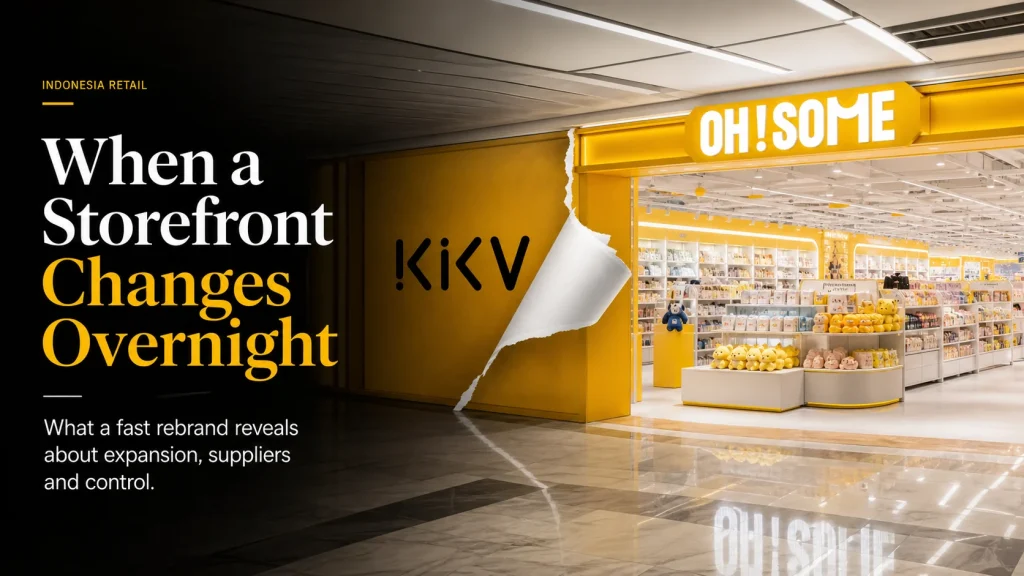
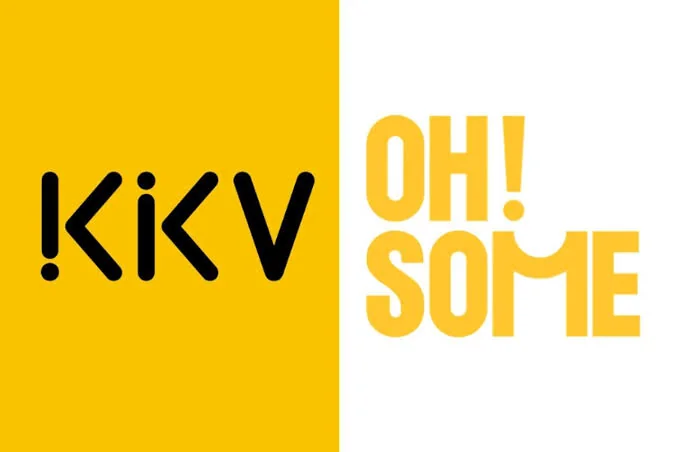
The store layouts were unchanged, the vibrant yellow color scheme remained untouched, and the shelves held the same mix of trendy cosmetics, personal care goods, and lifestyle items. The only noticeable difference was the signage over the door: KKV had been replaced by OH!SOME. That same day, another store in Surabaya’s Tunjungan Plaza completed the same stealth transformation.
On social media, the brand offered a calm, brief note to followers: "Closed for renovation." Young Indonesian shoppers barely noticed the change. When checking out at the register, few cared which letters were printed on the storefront sign.
Replacing a sign took only a single night.
Yet behind that silent transition, Chinese lifestyle retail conglomerate KK Group had lost what was then its most lucrative overseas market. The executive taking over the operation and launching the new OH!SOME brand was Guo Huibo, a former co-founder of KKV.
Two years later, looking back at this dramatic split, a stark reality emerges in overseas expansion: while store locations and signage can be seized overnight, true retail moats take years to build.
Losing the Primary Cash Cow
To understand the weight of that overnight sign change, one must look at how profitable the Indonesian market was for its parent company.
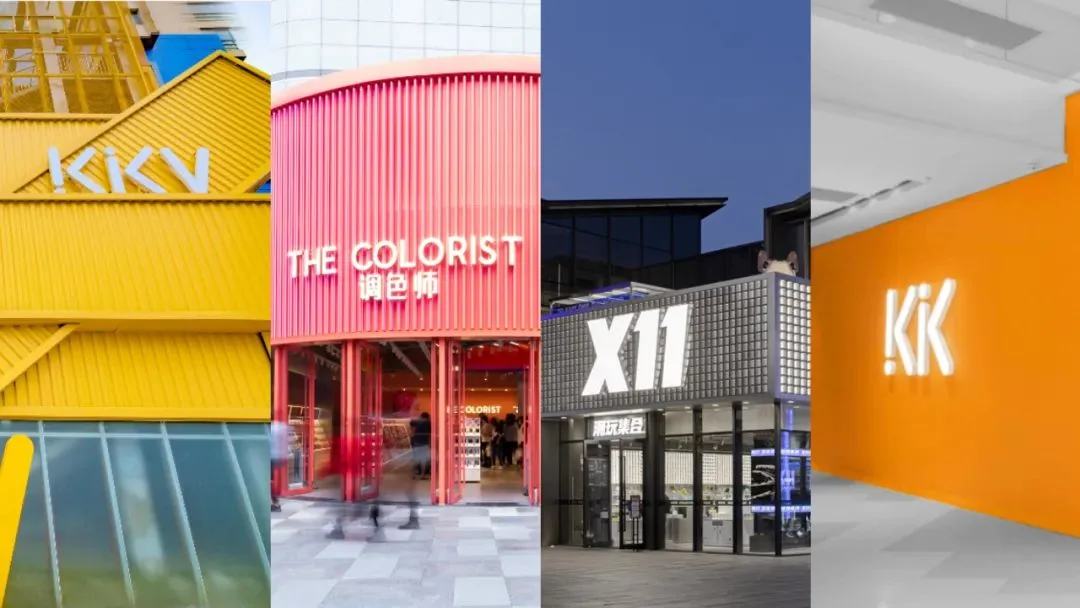
Founded in 2015 by Wu Yuening, KK Group grew through flagship lifestyle concept stores like KKV and multi-brand beauty chains like THE COLORIST. Backed by prominent venture capital firms including Matrix Partners China and Shenzhen Capital Group, the company raised nearly 5 billion RMB ($700 million), with its valuation surging toward 20 billion RMB ($2.8 billion).
Yet during that period, KK Group was struggling in its domestic market in China.
In China, the business was losing money. Between 2020 and 2022, KK Group suffered three consecutive years of domestic losses, with operating losses widening from 142 million RMB ($19.8 million) to 323 million RMB ($45 million).
In Indonesia, however, business was booming. KKV operated in Indonesia through a master licensing agreement with a local partner. In the first ten months of 2023 alone, the Indonesian market generated 420 million RMB ($58.5 million) in revenue and 96.9 million RMB ($13.5 million) in profit, boasting a gross margin of 23.1%. Monthly Gross Merchandise Value (GMV) per store reached 2.5 million RMB ($348,000)—nearly triple the efficiency of KK Group’s domestic stores in China.
While losing money at home, KK Group held a highly profitable cash cow in Indonesia that anchored its prospectus for a Hong Kong Stock Exchange (HKEX) initial public offering.
When the licensing agreement expired in August 2024, KK Group released a measured statement announcing that "after friendly negotiations, both parties agreed not to renew." The company emphasized that OH!SOME was an independent brand created by the local Indonesian team and had no structural connection to KK Group.
The corporate messaging was polite, but the operational fallout was severe. Losing its primary profit engine crippled KK Group’s public listing plans. Half a year later, on July 31, 2025, its fourth HKEX prospectus expired, and the group's listing efforts stalled.
From 136 Stores to a Sudden Cash-Flow Freeze
Armed with prime shopping mall locations and an established operational foundation, OH!SOME initially appeared set for unprecedented success.
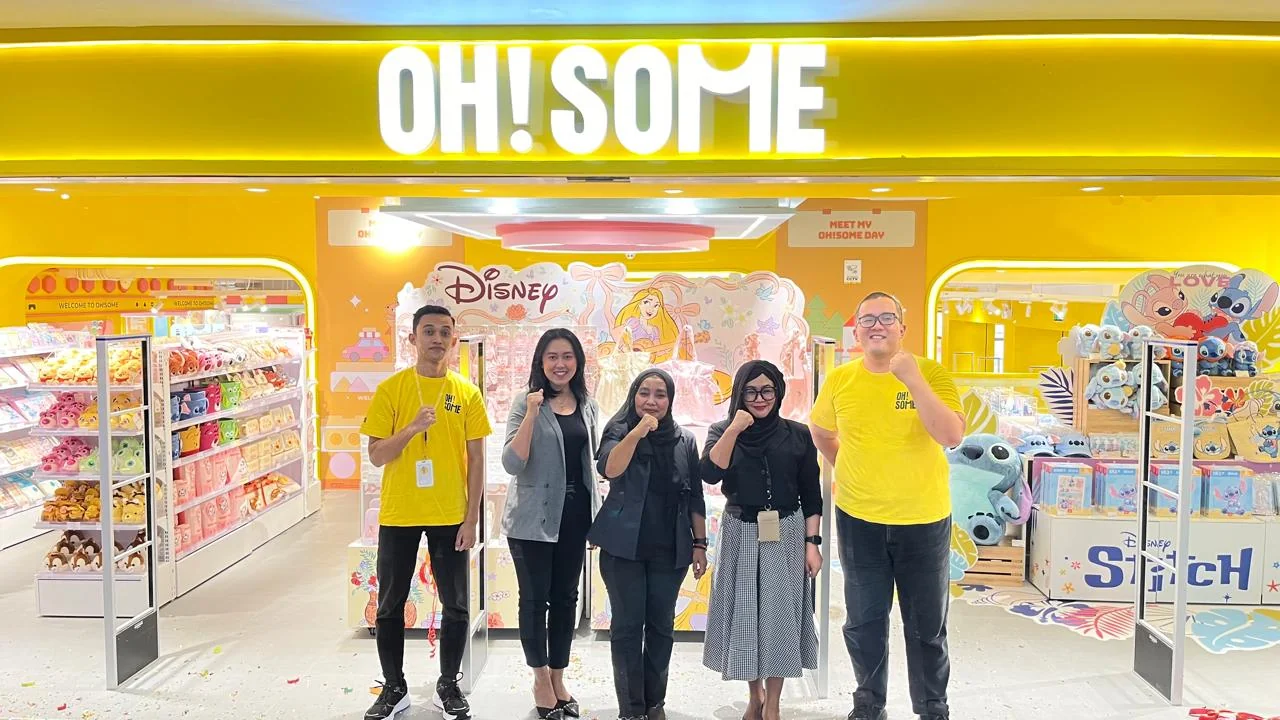
Its flagship store debuted in Jakarta’s Central Park mall, taking over a premier 3,000-square-meter (~32,000 sq ft) space stocked with more than 10,000 SKUs across personal care, beauty, and lifestyle products. By late April 2025, OH!SOME opened its 100th store in Palembang before expanding into Singapore the following month.
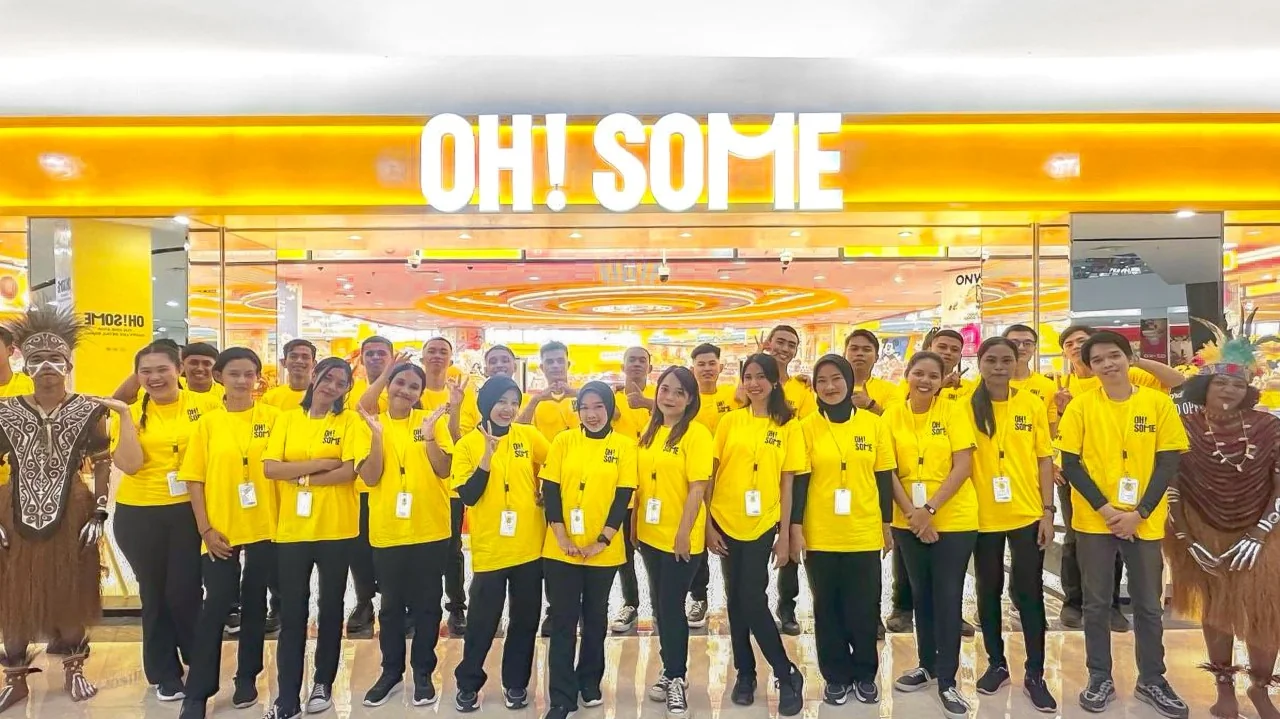
By early 2026, OH!SOME posted explosive growth figures: 136 stores spanning 26 Indonesian provinces, supported by an employee base exceeding 4,000. In addition, the brand created two in-house sub-brands and expanded its retail footprint across seven countries.
Scaling from zero to 136 large-format stores in under two years was virtually unprecedented in Indonesian retail history.
However, overextended expansion rapidly eroded cash reserves. The financial pressure first manifested in vendor payments.
By March 2026, industry reports revealed that OH!SOME had delayed supplier payments totaling millions of RMB for up to six months. Another supplier owed 300,000 RMB ($42,000) since July 2025 received only minor monthly installments, while vendor complaints mounted across social media.
Store closures followed. Flagship locations in Jakarta, Denpasar, and Bekasi opted not to renew leases after revenues dropped approximately 30%. In Hong Kong, an experimental high-profile location closed quietly just eight months after opening.
The crisis reached a tipping point on July 13, 2026.
Holding company Blue Origin Group—the Chinese corporate entity behind OH!SOME, not to be confused with the US aerospace company—issued an internal work suspension notice extending six and a half months through January 29, 2027. Management explicitly cited "unprecedented operational hardship" and admitted that cash flow could no longer sustain business operations or debt service. Unpaid employees subsequently took to social media demanding back pay.
Ironically, as of mid-July 2026, many OH!SOME retail stores in Indonesia remained open and conducting business.
High Capital Costs and Broken Vendor Relations
OH!SOME's rapid path from aggressive growth to payroll suspension stems from both internal mismanagement and the regulatory realities of Indonesian brick-and-mortar retail.
Operating physical retail in Indonesia is an inherently capital-intensive venture for foreign companies.
Indonesian trade regulations require foreign retail companies to operate stores with minimum floor spaces exceeding 1,000 square meters (~10,760 sq ft). This prevents brands from testing the market with smaller boutique concepts. Furthermore, commercial leases typically require eight-year commitments alongside a 20% upfront rent deposit. Every single store opening demands massive upfront capital with long payback horizons.
Under this high-cost structure, OH!SOME aggressively pushed into lower-tier Indonesian cities where consumer purchasing power was significantly weaker. High store overhead combined with lower transaction values created negative unit economics—meaning the faster the chain expanded, the more money it lost.
Even more damaging was the sudden disruption of its procurement network.
While swapping a plastic storefront sign takes a single night, it instantly severed access to the factory base KK Group had spent a decade building across China.
For context, global retail giant MINISO relies on a deeply integrated network of 1,100 Chinese suppliers and 300 international manufacturers. These deeply aligned supplier partnerships provide extreme volume pricing and extended payment terms grounded in years of credit trust—relationships that cannot be duplicated in 24 months.
Instead, OH!SOME attempted a high-difficulty strategy without a mature supply chain reserve, simultaneously launching three aggressive initiatives in two years: opening 136 massive stores, entering seven international markets, and launching three proprietary private-label brands.
This sudden collapse highlights how quickly cash-flow bottlenecks can devastate retail ventures, echoing broader liquidity pressures seen across Chinese consumer markets where even heritage beauty brands face bankruptcy and liquidation when financial foundations crack.
When cash reserves failed to match expansion ambitions, OH!SOME attempted to bridge the gap by stretching vendor payment windows, ultimately causing the operational machinery to freeze.
The Final Battle Between Channels and Supply Chains
In a striking commercial coincidence, KK Group never truly abandoned Indonesia.
In late 2025, KK Group tested the market with its designer toy brand X11. On April 30, 2026, KKV officially returned to Indonesia alongside sister retail brands, outlining an ambitious goal to open over 500 stores across the country.
This time, KK Group altered its strategy. Mirroring its domestic shift in China—where franchised stores were reduced from 424 to 109 to raise directly operated stores to 84.9%—the parent company abandoned master licensing in favor of direct ownership and operational control.
The timeline tells a compelling story:
On April 30, 2026, original parent company KKV officially re-entered Indonesia with direct control and intact factory supply networks.
On July 13, 2026—just two and a half months later—spinoff retailer OH!SOME announced a company-wide work suspension.
Supply Chain Depth as the Ultimate Moat
Reflecting on that night in August 2024, the transition appeared seamless. The same inventory, sales staff, and shoppers filled the store the next morning. It was easy to assume that retail branding and operational history were interchangeable.
Two years later, the real financial balance sheet became clear.
Store traffic can be bought with marketing, storefronts can be renovated with capital, and signs can be changed overnight.
What cannot be replaced overnight is a ten-year supplier directory, rock-bottom volume pricing honed through scale, and the creditworthiness that allows a retail business to navigate market downturns. Those unglamorous backend assets rarely feature in ribbon-cutting photos, yet they dictate whether an international retail expansion survives.
For beauty, lifestyle, and consumer brands scaling globally across Southeast Asia and beyond, the downfall of OH!SOME poses a fundamental operational question:
Are you expanding an empty retail channel, or are you building a resilient, defensible supply chain?
In good economic times, channel growth and supply chain strength look identical. But when market headwinds hit, a six-and-a-half-month payroll freeze reveals where the real moat lies.


Conversation
0 Comments