Three Heritage Chinese Beauty Brands Face Bankruptcy and Liquidation
Three legacy Chinese beauty brands—Longrich, Shanghai Meilan, and Tongrentang Cosmetics—face liquidation and insolvency amid heavy debt and missed innovation.

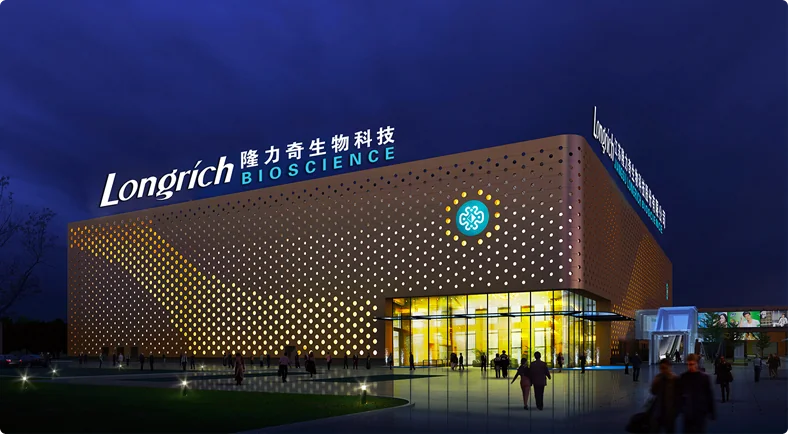
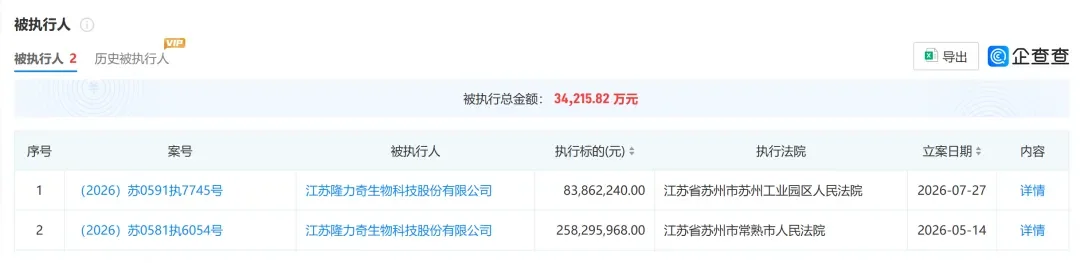
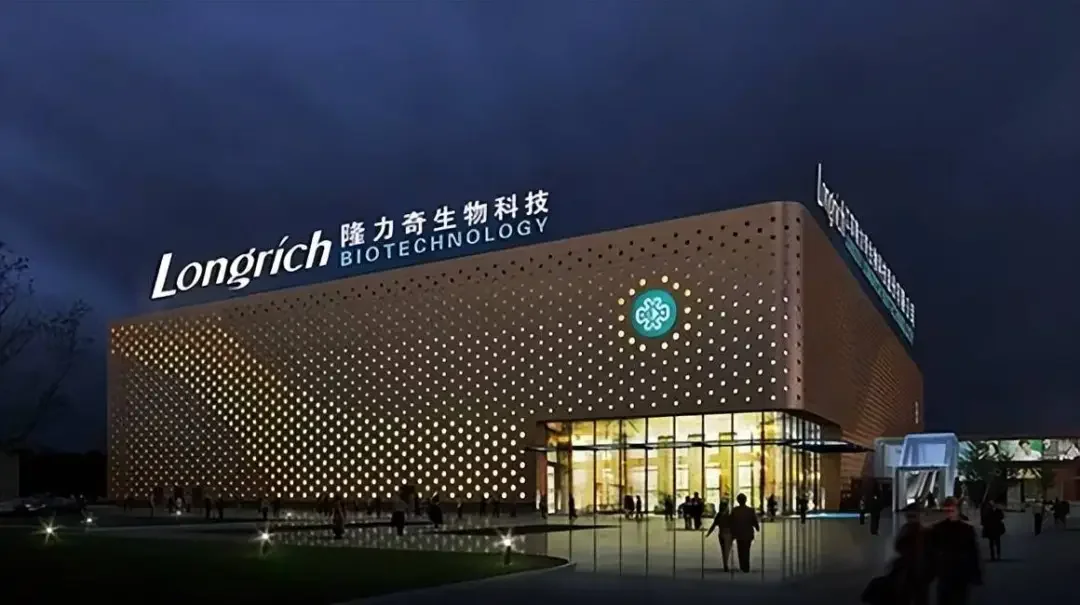
On July 27, 2026, Jiangsu Longrich Biotechnology Co., Ltd., Longrich Group Co., Ltd., and founder Xu Zhiwei were placed on China's court enforcement list for 83.86 million RMB ($11.6 million) in unpaid judgments. This marks the company's second major enforcement ruling in 2026, following a 258 million RMB ($35.7 million) order in May. Counting a 609 million RMB execution ruling in June 2024, cumulative judgments against Longrich and its affiliates have surpassed 900 million RMB ($125 million).
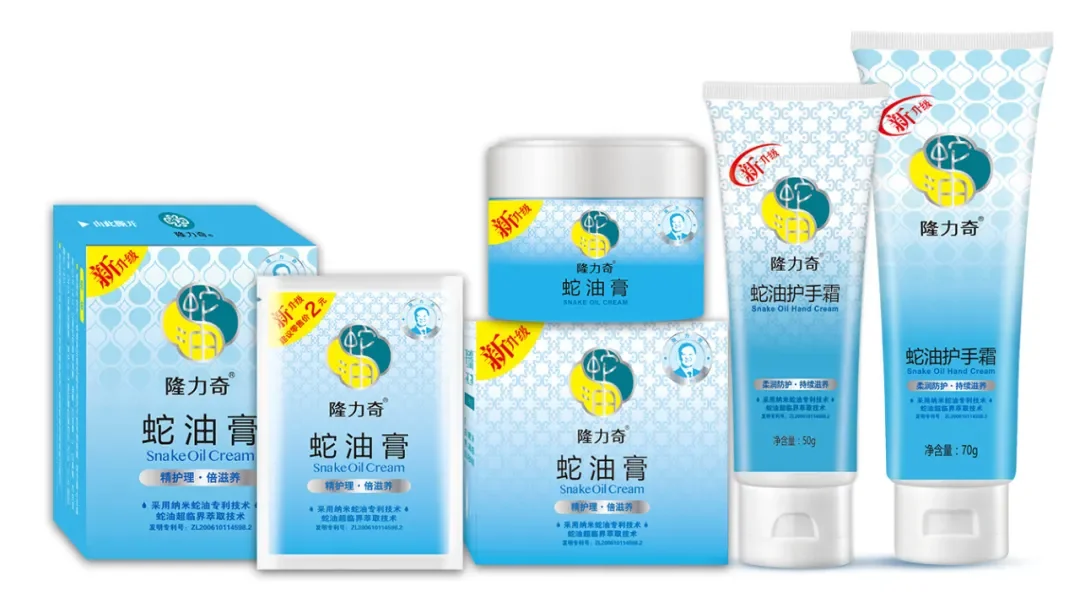
Once a household personal care giant with annual sales exceeding 7.8 billion RMB ($1.08 billion) and whose flagship snake oil moisturizer led national sales for 11 consecutive years, Longrich now stands on the brink of collapse.
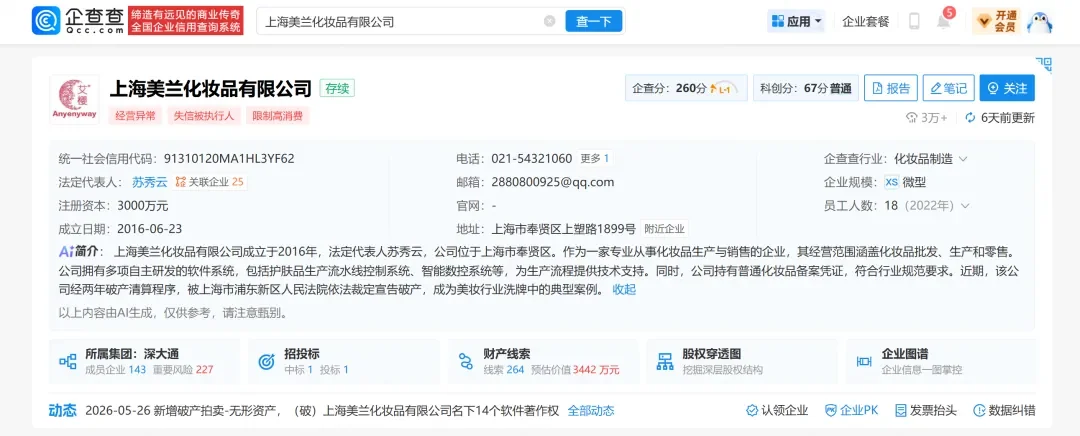
Longrich’s decline is part of a broader shakeout hitting legacy domestic brands across China. Just a week prior, on July 20, the Shanghai Pudong New Area People's Court declared Shanghai Meilan Cosmetics Co., Ltd. bankrupt. Founded in 1984, Meilan produced iconic heritage products, including Shanghai Vanishing Cream and Zhenggege Vanishing Cream. Court records reveal that Meilan possessed just 95,849.82 RMB ($13,200) in disposable liquidatable assets against confirmed debts of 19.42 million RMB ($2.7 million).
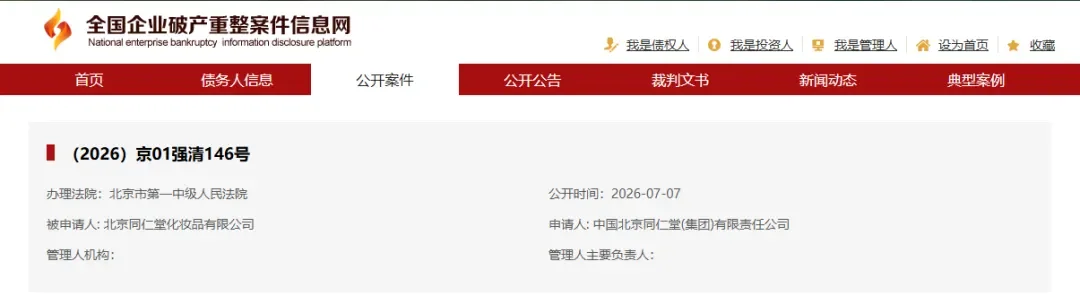
Meanwhile, state-owned Chinese pharmaceutical giant Beijing Tongrentang Group filed for compulsory liquidation of its beauty subsidiary, Beijing Tongrentang Cosmetics Co., Ltd. Founded in 2005, the subsidiary was placed on an administrative warning list in early July for failing to file annual reports. Parent company Tongrentang Group had previously raised its brand licensing fee nearly fourfold—from 8.96 million RMB in 2024 to 35.58 million RMB in 2025—effectively forcing the underperforming division out of business.
For international beauty executives, the simultaneous unraveling of three legacy domestic names highlights a fundamental market shift: heritage appeal alone no longer shields Chinese cosmetic brands from aggressive digital competition, strict regulatory enforcement, and evolving consumer preferences.
Longrich: From Snake Oil Leader to Scheme Scandals
Longrich’s downfall began in 2009 when it obtained a direct selling license from China's Ministry of Commerce. Intended to regulate the company’s expansion, the license instead marked its departure from core product development.
Between 2010 and 2012, regional regulators repeatedly investigated Longrich for operating illegal multi-level marketing (MLM) schemes. National broadcasters exposed its distribution tactics: participants were urged to spend 35,000 RMB ($4,800) on highly inflated goods—such as overpriced herbal supplements, cookware, and jade mattresses—to earn promised returns of 40,000 RMB within two years. When Longrich unilaterally altered its payout rules, participants were left unable to recover their investments, triggering years of legal disputes. By January 2026, court registries listed 840 judicial rulings involving Longrich, with 87 explicitly citing pyramid scheme claims.
Over the years, Longrich continually lowered its buy-in thresholds to recruit new distributors. In 2018, it launched an e-commerce platform promising minimum 8% annual stock dividends upon a planned public listing. After listing on the Nasdaq in 2021, its stock plummeted from $8.60 to $0.20, leaving dividend promises unfulfilled. By 2024, the company introduced a goat milk powder distribution scheme requiring just a 286 RMB ($39) initial purchase to become a selling agent.
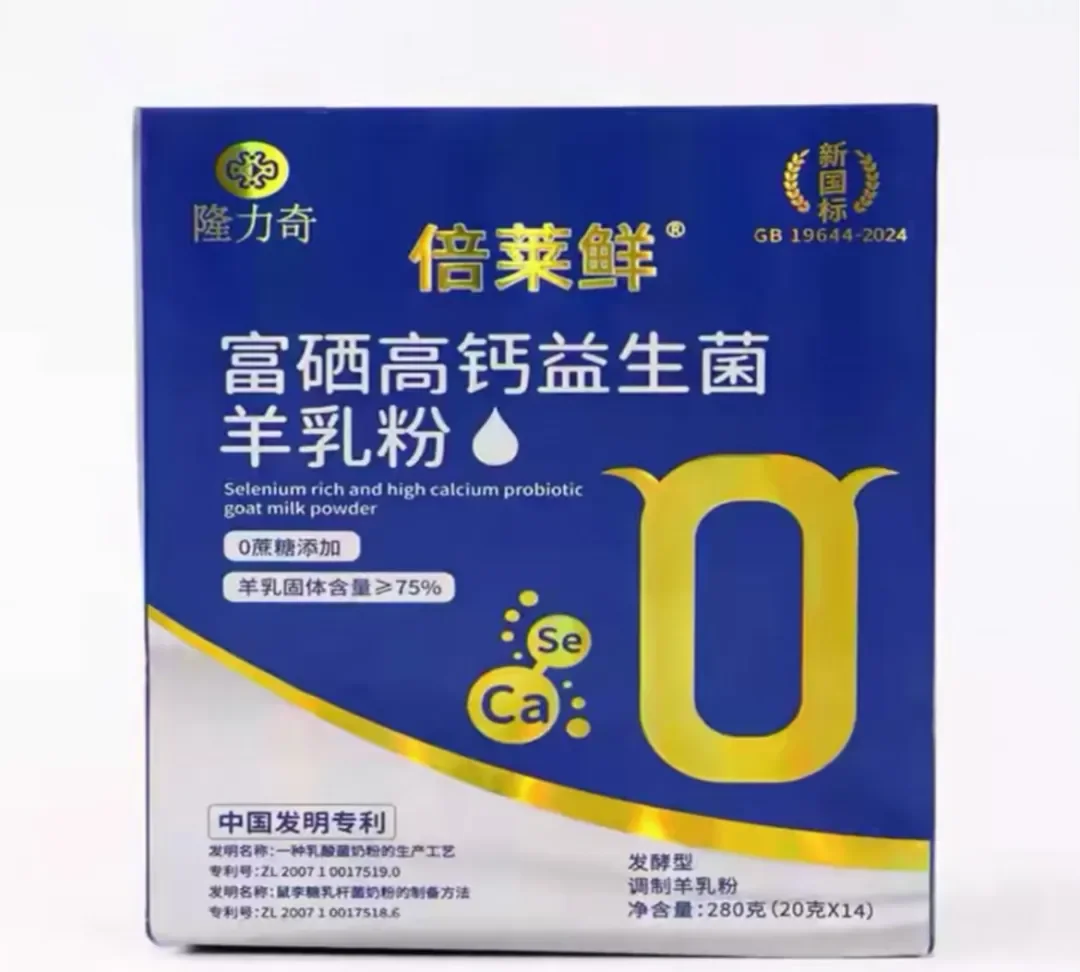
However, the featured Beilaixian goat milk powder was not included in Longrich's approved direct selling catalog of 87 products. Holding only a standard food production permit, the product was illegally marketed with claims that it could lower blood pressure and burn body fat. Claims that the product was backed by a specialized aerospace medical research center fell apart when public records revealed the center had been listed as unreachable by authorities since 2018.
Longrich's core beauty and personal care business eroded rapidly. Third-party data shows its e-commerce sales on major Chinese platforms sank from 364 million RMB in 2023 to 105 million RMB in the first half of 2026. Sub-entities accrued 10.92 million RMB in back taxes, 150 million RMB in corporate equity was frozen, and founder Xu Zhiwei was placed on bail pending trial for suspected illegal fundraising.
Shanghai Vanishing Cream: A 40-Year Legacy Down to $13,000
While Longrich strayed into illegal business models, Shanghai Meilan’s bankruptcy illustrates the gradual obsolescence of traditional beauty brands that fail to keep pace with modern product design.
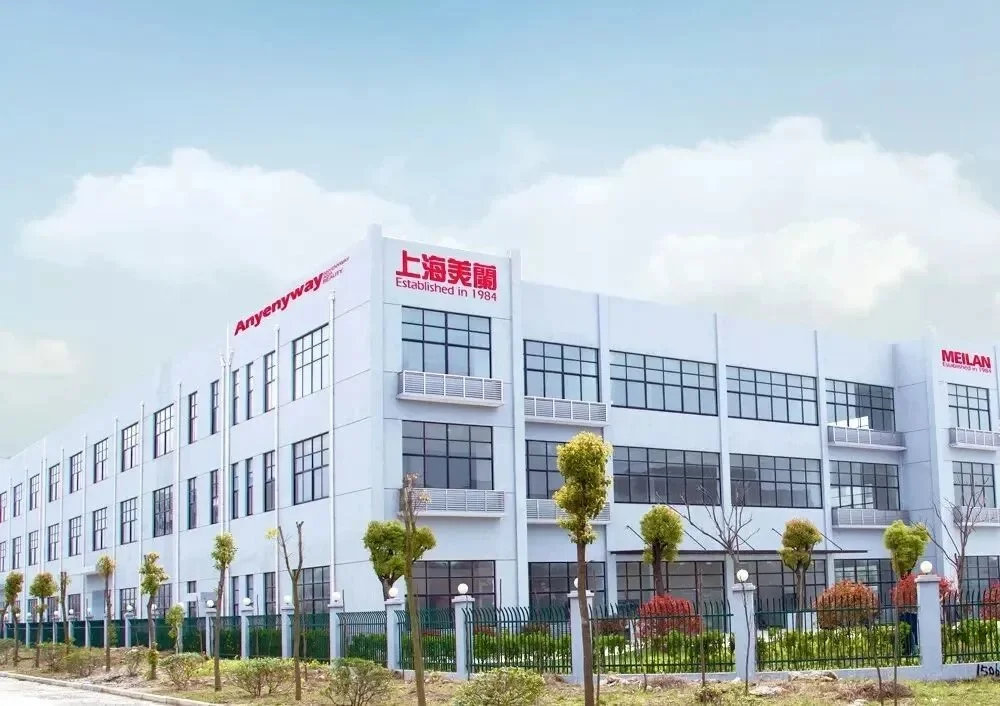
Established in 1984, Shanghai Meilan was one of the earliest licensed cosmetics manufacturers in Shanghai. In 1985, vanishing cream accounted for 68% of China's national skincare production. Meilan capitalized on this surge with its flagship Shanghai Vanishing Cream, building a fully integrated operation spanning R&D, design, manufacturing, and distribution.
As consumer demand for traditional vanishing creams waned, Meilan repositioned its core line in 2014 as cultural tourism souvenirs under the brand name Zhenggege, expanding to more than 670 retail touchpoints at its peak.
Its trajectory turned sharply in 2021 when public firm Shen Datong acquired Meilan to enter the beauty space. However, Shen Datong faced severe financial fraud allegations and was delisted from the stock market in 2023 after losing over 80% of its valuation. The parent company's collapse cut off Meilan's capital line. By the time the court declared bankruptcy in July 2026, the 42-year-old manufacturer held just 95,849.82 RMB in total liquidatable assets.
Tongrentang Cosmetics: A Traditional Giant Cuts Its Losses
Unlike Meilan's court-ordered bankruptcy, Beijing Tongrentang’s beauty exit represents a deliberate corporate cleanup by a parent pharmaceutical group.
Established in 2005 with a 51% stake held by Tongrentang Group, Tongrentang Cosmetics launched personal care and skincare lines covering shampoo, sheet masks, body wash, and toothpaste. However, the unit struggled to build distinct hero products. Total online sales across all beauty products bearing the Tongrentang name fell nearly 49% year-over-year to 287 million RMB.
Regulatory non-compliance further damaged the brand. Over the past decade, the subsidiary faced multiple administrative fines for unauthorized registry changes, trademark misuse, and selling unapproved special-use cosmetics. In 2022, China's National Medical Products Administration (NMPA) issued a public notice after a hair mask manufactured for the brand failed compliance testing.
Following a late 2025 consumer exposure involving unauthorized third-party product labeling, Tongrentang Group launched a sweeping cleanup of licensed subsidiaries. By hiking annual brand licensing fees by nearly 300% and filing for compulsory court liquidation in July 2026, the group formally shuttered its underperforming beauty division.
Why Are Heritage Domestic Brands Falling Behind?
Analyzing the downfall of these three legacy manufacturers reveals common structural pressures across China's beauty market:
- Product Stagnation: Traditional vanishing creams and snake oil ointments relied on nostalgia. As older demographics age, younger consumers demand active ingredients, advanced formulations, and clinical evidence.
- Distribution Shortfalls: Longrich prioritized network recruitment over product R&D, leaving its commercial operations vulnerable when regulatory oversight tightened.
- Capital Instability: Meilan was paralyzed by the financial failure of its parent company, while Tongrentang Cosmetics was overly dependent on brand licensing rather than proprietary innovation.
- Intense Market Competition: While some established Chinese players are actively streamlining non-core operations—such as when skincare brand OSM exited a specialized testing firm to sharpen its balance sheet—legacy brands like Longrich, Meilan, and Tongrentang failed to modernize their operating models in time. Meanwhile, multinational powerhouses like L’Oréal maintain momentum through high-end acquisitions and localized distribution, squeezing mid-tier legacy players from above.
Product Quality and Compliance Over Shortcuts
The rise of these brands mirrored the initial buildout of China's modern cosmetic manufacturing base in the 1980s and 1990s. Their decline reflects the ongoing consolidation of the market as consumer standards and regulatory frameworks mature.
For beauty brands competing in China, the lesson is clear: lasting market share cannot be sustained by nostalgia, licensing shortcuts, or aggressive distribution models. Sustainable growth requires continuous product R&D, strict regulatory compliance, and a clear focus on core consumer value.
Conversation
0 Comments