Beauty Brands Target Generation Beta as Millennial Parents Demand Clean Care
Beauty brands are targeting Generation Beta as ingredient-conscious Millennial and Gen Z parents seek clean, age-appropriate baby and kid personal care.

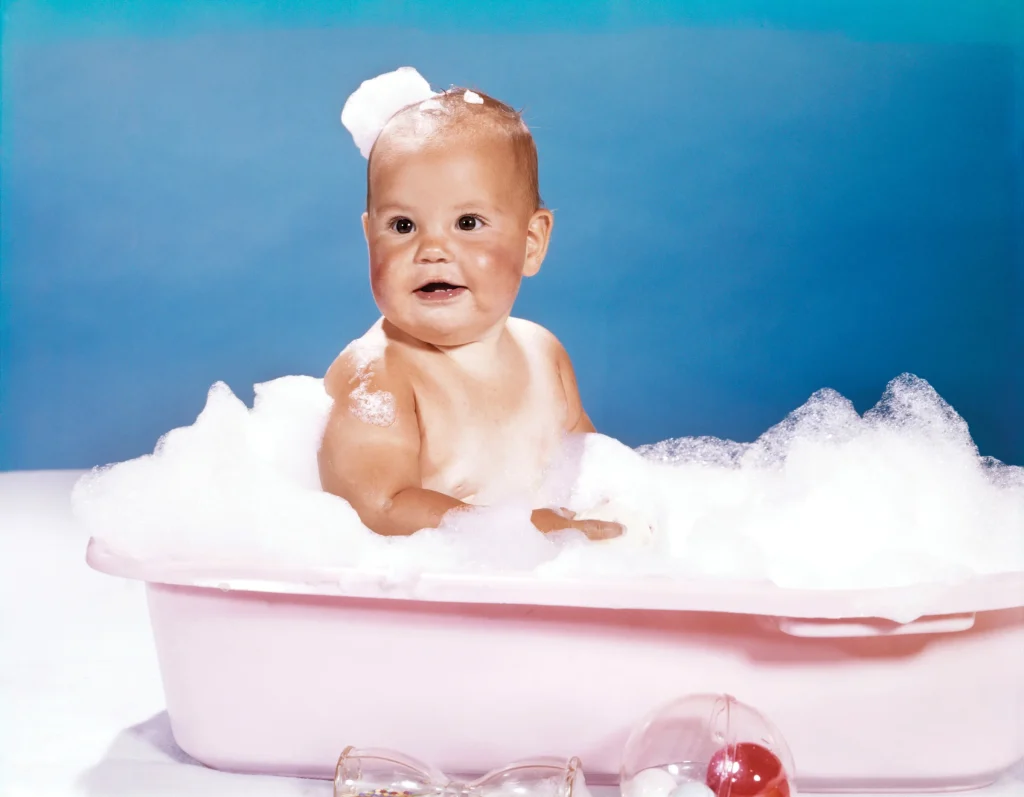
Move over Sephora teens — Generation Beta is the next cohort poised to shape the beauty industry.
Forward-looking brands and retailers are drawing up blueprints for the next demographic frontier: children born between 2025 and 2039. While currently toddlers and infants, their numbers are substantial. Gen Beta is projected to reach 2 billion people worldwide, accounting for 16% of the global population by 2035, according to McCrindle Research.
In the U.S., 11.7 million households currently include a Generation Beta child — defined by NielsenIQ (NIQ) as ages 0 to 3 — highlighting the immediate commercial importance of this emerging cohort.
While years away from purchasing their own skincare or personal care items, Gen Beta is already influencing the baby care market through hyper-informed, digitally savvy Millennial and Gen Z parents.
“Gen Beta parents represent a significant force in beauty and personal care, accounting for $10.5 billion in category spend,” said Anna Mayo, vice president of the beauty vertical at NIQ. “Their purchasing trends reveal a strong focus on personal care essentials, signaling an opportunity for brands to build lasting connections by meeting the evolving needs of young families with trusted, high-quality solutions.”
Eager to move beyond traditional legacy brands, these parents are embracing a new wave of label-conscious brands rooted in clean formulations, transparency, and clinical efficacy. Crucially, they are steering clear of the controversial active ingredients and adult beauty trends that sparked public debate during the Gen Alpha era.
“They are the first generation that won’t experience a world where beauty, skin, and hair health are not integrated into everyday wellness,” said Jeff Lindquist, managing director and partner in Boston Consulting Group’s beauty, fashion, and luxury practice. “Their idea of beauty won’t be cosmetics-first; it will be about healthy skin, hair, and overall self-care. The brands that win won’t be selling aspiration; they’ll be selling trust.”
That trust requirement opens significant opportunities for agile entrepreneurs. “We have a new generation of parents with vastly different behavior,” said Kimberley Ho, cofounder and CEO of Evereden, which joined Sephora’s retail line-up earlier this year. “They use TikTok, listen to influencer recommendations on social media, and scrutinize ingredients. They have a much higher standard for clean formulas, and legacy brands often lack credibility with them.”
Former Amazon executive and Credo Beauty board member Ali Kole noted that brand building has fundamentally shifted: “A new brand’s competitive advantage isn’t primarily product-based; it’s being born digital, architected for social visibility, AI-driven search, and strong online unit economics from Day One.” This strategic shift comes as beauty capital returns as investors shift focus to long-term innovation across high-conviction personal care categories.
Data from e-commerce analytics firm Market Defense tracking 12-month Amazon sales through early July highlights the rapid growth of these focused children’s personal care brands.
Evereden led sales on Amazon with approximately $31.9 million in 12-month revenue, representing over 90% year-over-year growth. Sensitive-skin brand Tubby Todd reached $30 million on the platform, up 232.3%. Premium diaper company Coterie expanded into baby skincare in 2025 and quickly reached $23.5 million in sales — achieved even before Amazon formally established a dedicated kids’ skincare business vertical, according to Vanessa Kuykendall, chief engagement officer at Market Defense.
Mark McCrindle, the social researcher credited with coining the terms Gen Alpha and Gen Beta, expects this next cohort to follow a different path than their predecessors. “I expect a correction because Gen Z parents have seen kids exposed too early to adult skincare,” McCrindle said. “Young children using anti-aging creams is counterproductive.”
Victoria Gioia, cofounder of prenatal health brand Perelel, shares that concern. “A lot of products pull kids into teen makeup and fragrance-heavy formulas,” Gioia said. In response, she and her husband Greg launched Fipl, a collection focused on age-appropriate body and hair care.
The emphasis on age-appropriate positioning highlights market sensitivity surrounding youth launches. When Shay Mitchell’s brand Rini launched skincare for ages 4 and up starting with sheet masks, consumer reaction was mixed. The brand’s subsequent expansion into playful face and body crayons gained broader approval.
When personal care brand Dr. Squatch introduced its kids’ line, Lil’ Squatch, the goal was to avoid launching downsized adult items. “We designed Lil’ Squatch to appeal to two audiences: making it exciting and personal for the child while giving parents complete confidence in ingredient safety,” said John Ludeke, chief brand officer at Dr. Squatch. The line features 2.3-ounce soap bars tailored for smaller hands with minimal, gentle ingredients.
Industry observers note that the recent craze around teens in prestige beauty stores has created more cautious, ingredient-conscious parents. “Gen Beta parents care deeply about ingredient safety,” said Allison Collins, cofounder of consulting firm The Consumer Collective. Parents frequently search environmental and safety databases like EWG to vet products before buying.
“I look for simple, recognizable ingredients, fragrance-free formulas, and brands that are transparent about what’s in their products,” said Logan McIntosh, a mother of 10-month-old twins and a 3-year-old.
Entrepreneur Stephanie Leshney drew on two decades of cosmetic ingredient expertise to launch Dabble & Dollop, focusing on minimal-ingredient bath products. “We set out to address synthetic dyes in children’s bath products,” Leshney said. “While consumers pay attention to synthetic dyes in food, the bath aisle requires equal scrutiny.”
Marketing channels are shifting alongside consumer preferences. Kristen Wiley, founder and CEO of creator platform Statusphere, expects marketing to rely more heavily on peer recommendations and niche creator circles than traditional celebrity endorsements. “A product recommendation shared in a local parent chat or by a micro-creator can generate substantial sales,” Wiley noted.
Building community trust remains critical for long-term retail success. “From our initial shipment of 750 bottles to expanding into nearly 2,000 Target stores, our consumer community has driven our growth,” said Andrea Faulkner Williams, cofounder of Tubby Todd.
While Gen Beta will be the first generation raised with AI-driven discovery across TikTok Shop, Amazon, and direct-to-consumer platforms, analysts predict physical retail will retain a major strategic role. Retailer Target is expanding its footprint by featuring emerging personal care brands across stores alongside dedicated baby boutiques carrying high-end gear.
“As screen novelty fades, physical commerce offers tangible touchpoints that digital channels cannot match,” McCrindle said.
Sidebar:
The Diaper Bag Diaries
Evereden: Founded in 2018 by former investment banker Kimberley Ho and her husband, Huang Lee, Evereden formulates science-backed personal care for babies and children alongside a scientific advisory board of pediatric dermatologists from Stanford and Harvard. Prices range from $9 to $105.
Fipl: Founded by Victoria and Greg Gioia, Fipl creates age-appropriate, dermatologist- and pediatrician-approved formulas focused on gentle cleansing rather than active ingredients. Prices range from $20 to $28, distributed via direct-to-consumer and select specialty retailers.
Tubby Todd: Founded by Andrea Faulkner Williams and Brian Todd Williams, Tubby Todd offers gentle skincare formulated with clean ingredients for sensitive baby skin. The digitally native brand expanded into mass retail, including Target. Prices range from $16 to $49.
Dabble & Dollop: Founded in 2019 by cosmetic ingredient expert Stephanie Leshney and her husband Tyler, Dabble & Dollop produces clean bath formulas designed to make children's bath routines engaging. Prices range from $10 to $30 across Target, Amazon, and specialty stockists.
Pipette: Launched in 2019 by biotechnology firm Amyris and currently owned by Belle Brands, Pipette utilizes sugarcane-derived squalane to support baby skin hydration. Priced from $8 to $20, the brand is sold through mass retailers, Amazon, and direct-to-consumer.


Conversation
0 Comments