
EU Cyclic Silicone Ban Signals a Broader Shift in Beauty Regulation
As the EU phases out cyclic silicones D4, D5, and D6, cosmetics brands face a massive reformulation challenge driven by environmental scrutiny.
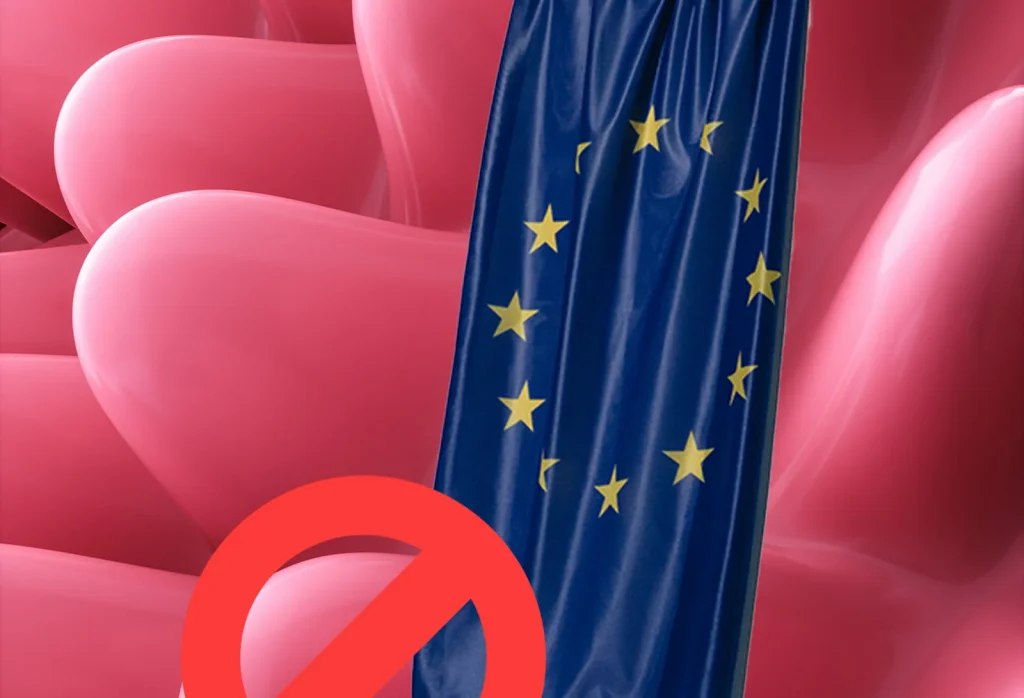
The European Union is entering the final stages of its sweeping restriction on cyclic silicones D4, D5, and D6 in cosmetics. As the phase-out deadlines draw near, the move signals a fundamental shift in how global regulatory bodies evaluate cosmetic ingredients, placing environmental impact at the forefront of policy.
Cyclic silicones—ring-shaped chemical structures of silicone and oxygen—have been the backbone of beauty and personal care textures for decades. Prized for their lightweight feel and superior spreadability, they are common in everything from foundations and hair serums to antiperspirants. However, environmental assessments have flagged these compounds as persistent, bioaccumulative, and toxic in the environment, triggering a wave of regulatory rollbacks.
Since 2020, octamethylcyclotetrasiloxane (D4) and decamethylcyclopentasiloxane (D5) have been banned in rinse-off cosmetics. In 2024, the European Commission expanded these measures under European Commission Regulation (EU) 2024/1328, which amends Annex XVII of the EU's landmark Registration, Evaluation, Authorisation and Restriction of Chemicals (REACH) Regulation. The updated rules ban dodecamethylcyclohexasiloxane (D6) in rinse-off products starting June 2026, and prohibit all three cyclic silicones in leave-on cosmetics by June 2027.
Environmental Concerns
"There is a surface story here about this particular group of ingredients, and there's a bigger underlying story about the direction of travel, which is actually much more interesting," said John Chave, Director-General of the trade association Cosmetics Europe.
Chave noted that European regulators are increasingly challenging ingredients on environmental grounds rather than human health risks alone. This represents a significant shift for the beauty industry, given the sheer volume of raw materials in personal care portfolios that could face similar environmental scrutiny.
According to Chave, this trend is poised to accelerate. The EU Cosmetics Regulation is set to integrate more environmental criteria, while the REACH framework continues to aggressively investigate chemical safety.
"The regulatory door has been opened wider to address ingredients on environmental grounds than in the past, and there is simply a much broader awareness now," Chave said. He pointed to the EU's incoming restrictions on microplastics—with compliance deadlines spanning 2027 to 2035—as a prime example of this ecological pivot.
"Often, these regulatory conversations hit cosmetics the hardest because of our intricate formulas, the scale of compliance required, and the fact that clear, high-performing alternatives do not always exist."
D4, D5, and D6 in Cosmetics
Replacing cyclic silicones is a daunting task. Their unique physical properties make them incredibly difficult to match with alternative chemistries.
"Cyclic silicones have exceptionally low surface tension, allowing them to spread quickly and evaporate rapidly," explained Kelly Dobos, an independent cosmetic chemist and adjunct professor in the cosmetic science program at the University of Cincinnati. "This makes them excellent carriers for heavier functional ingredients. Replacing them often requires a complete reset of performance expectations."
The challenge is particularly acute for leave-on cosmetics, such as high-performance skincare and prestige makeup, where sensory experience is paramount. While raw material suppliers have worked tirelessly to introduce innovative alternatives, chemists agree that a single, perfect drop-in replacement does not yet exist.
As brands navigate these regulatory shifts, clean beauty brands like Versed, which was recently acquired by Belle Brands, are already positioned around clean, solution-driven formulations that avoid these controversial synthetics. However, for mass-market legacy brands, the transition requires a massive overhaul of existing portfolios.
Reformulation: A Real Challenge
The phased timeline has been a saving grace for manufacturers, as reformulating even a basic product can take anywhere from six months to a year.
"Reformulation is a complex, multi-step process," Dobos said. "It requires raw material screening, stability and packaging compatibility testing, safety and regulatory reviews, efficacy trials, and manufacturing scale-up. When regulators provide realistic timelines, it allows brands to act strategically rather than in a panic."
Dr. Barbara Brockway, a scientific advisor and founder of Barbara Brockway Consulting, agreed that the silicone ban presents a formidable hurdle. "These materials do not lend themselves to straightforward substitution," she said. "Maintaining the same sensory qualities without cyclic silicones requires immense technical skill."
However, Brockway views the challenge as a catalyst for talent. "This is an opportunity for the industry's most talented formulators to show their value. Brands should back their R&D teams, give them the latitude to innovate, and let them rise to the occasion."
Dobos echoed this sentiment, emphasizing that successful reformulation requires creativity and a willingness to evolve entire product architectures rather than simply swapping out ingredients. Chemists will likely need to utilize complex blends of alternative materials to optimize performance.
Ingredients Under Environmental Scrutiny
While the restriction of highly functional ingredients is a blow to product development, the beauty industry is not fighting the transition to greener chemistry.
"We are a responsible industry committed to sustainability, and we accept the regulatory process," Chave said. "We will defend ingredients where there is strong scientific support, but where there isn't, the industry must move forward and find alternatives."
The broader lesson for global beauty brands is that environmental scrutiny is here to stay. Furthermore, REACH regulations often set a global precedent, with regulatory bodies in other regions frequently adopting similar bans shortly after the EU acts.
"Brands need to anticipate these shifts and prepare their pipelines for future restrictions," Chave warned.
Some experts, however, argue that the testing methodologies driving these bans may be overly conservative. One cosmetic regulation and formulation expert, speaking on the condition of anonymity, suggested that the science behind the cyclic silicone ban is slightly flawed.
"The mandated REACH testing occurs in closed systems that do not account for the high volatility of these substances," she explained. "It doesn't represent real-world use. While we must ensure products are safe for both consumers and the environment, banning ingredients based on testing conditions that don't reflect actual environmental behavior could lead to unnecessary restrictions."
Regardless of the debate, the regulatory clock is ticking, and the global beauty industry must adapt to a new era of eco-centric formulation.

Conversation
0 Comments