How Medicube and Tarte Dethroned Beauty Giants on Prime Day
Amazon's Prime Day 2026 beauty shoppers favored prestige brands and K-beauty, prioritizing deliberate, smaller purchases over massive hauls.

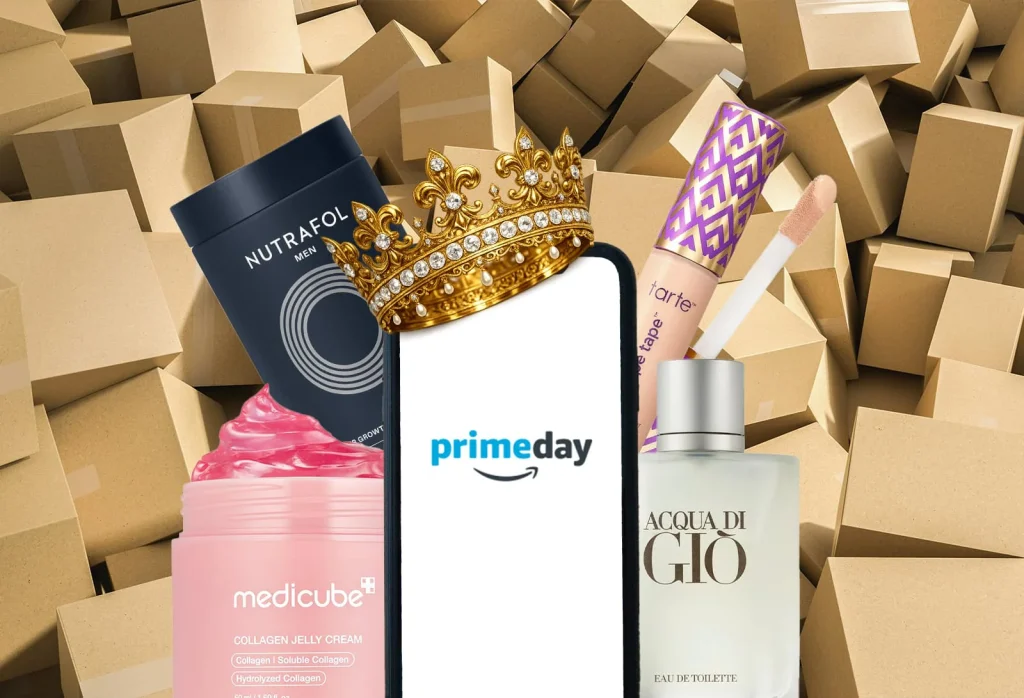
K-beauty skincare, a prestige fragrance upset, and a mascara underdog story: Amazon's Prime Day 2026 report from Market Defense shows a more deliberate beauty shopper. She's spending less per order but coming back more often, chasing ingredients and brands she'd already researched on TikTok.
"Prime Day 2026 had a clear message for the beauty industry: Shoppers arrive knowing exactly what they want, and increasingly, what they want is prestige," said Vanessa Kuykendall, Chief Engagement Officer at Market Defense. "The power players this year rewrote the rules. Prestige won big, with Armani Beauty claiming the top fragrance spot and Tarte unseating Maybelline in makeup. K-beauty dominated skincare, with Medicube commanding nearly 16% share." This appetite for high-end products mirrors global moves by major conglomerates, such as when Puig spent $380 million to tighten its grip on Charlotte Tilbury to secure its growth engine in prestige color cosmetics.
Smaller Carts, More Trips
The event didn't post the explosive growth of last year's Prime Day (which grew 30.3% year over year (YoY)), and shoppers were noticeably more careful with their money. Average order size fell from $53 in 2025 to about $48 this year, and average household spend dropped from $156 to $143.45. But 63% of households placed two or more orders before the event closed, and 41% placed three or more orders. Rather than filling one big cart, shoppers kept returning for smaller ones.
Average price per item also slipped to $23.23, down 5.5% YoY, while items under $20 held steady at 69%-70% of the cart across all four days.
The typical Prime Day 2026 shopper skewed suburban, female, and 45 to 64 years old, with the 65-and-up group now making up 31% of buyers, up from 29% last year. More than half of shoppers (52%) compared prices at other retailers before checking out, and roughly 49%-50% cross-shopped at Walmart throughout the event. This cross-shopping trend aligns with a broader shift where mass-market personal care premiumizes and retailers like Walmart aggressively expand their beauty portfolios to capture value-conscious shoppers. Deal satisfaction kept sliding too, dropping from 68% in 2025 to 59% this year, a trend Market Defense said it's now tracked across three consecutive events.
Shoppers leaned on other tools to stretch their budgets, too. Buy-now-pay-later transactions hit $2.04 billion during the event, up 5.5% YoY. AI‑referred traffic grew sharply, converting 40% better than email or paid search, though Market Defense noted this was a normalization from last year's 3,300% surge. This surge in digital touchpoints highlights how AI and social commerce are redefining the beauty market globally, prompting brands to optimize their online presence. Intent to shop was high going in, with 88% of Prime members saying they planned to participate, up from 81% last year. But the share of shoppers who cited Prime Day as their main reason for shopping continued to erode as the event went on, falling from 45% on Day 1 to 37% by close.
Beauty Claimed a Bigger Slice of the Cart
Beauty & Cosmetics ranked fourth among all categories purchased, at 26% of the cart, trailing only Apparel & Shoes, Household Essentials, and Health & Wellness. That 26% mark topped last year's 25% peak, and the category's share of the cart climbed from 22% on Day 1 to 26% by Day 2, holding there through the close.
Inside that 26%, one brand pulled way ahead of the pack. Medicube grew to a 13.23% overall share of sales, up from 9.3% in 2025, making it the top-selling beauty brand on Amazon for the second consecutive Prime Day. Within skincare specifically, its share climbed even higher, to 15.9%, up from 10.6% the year before. Its Toner Pads Zero Pore Pad 2.0 became the #1 best-selling skincare product of the event, up from #3 last year, and the brand's name held the #1 branded search term in skincare for the year to date, averaging just under 2 million monthly searches, up 47.6% YoY. This performance underscores how the beauty industry is increasingly driven by ingredient-focused, research-backed brands that resonate with informed shoppers.
Conversation
0 Comments