Shiseido Net Profit Surges 211% as Structural Reforms Take Hold
Shiseido's H1 2026 earnings show a 211% net profit surge driven by structural cost cuts, luxury brand momentum, and turnarounds in the Americas and APAC.

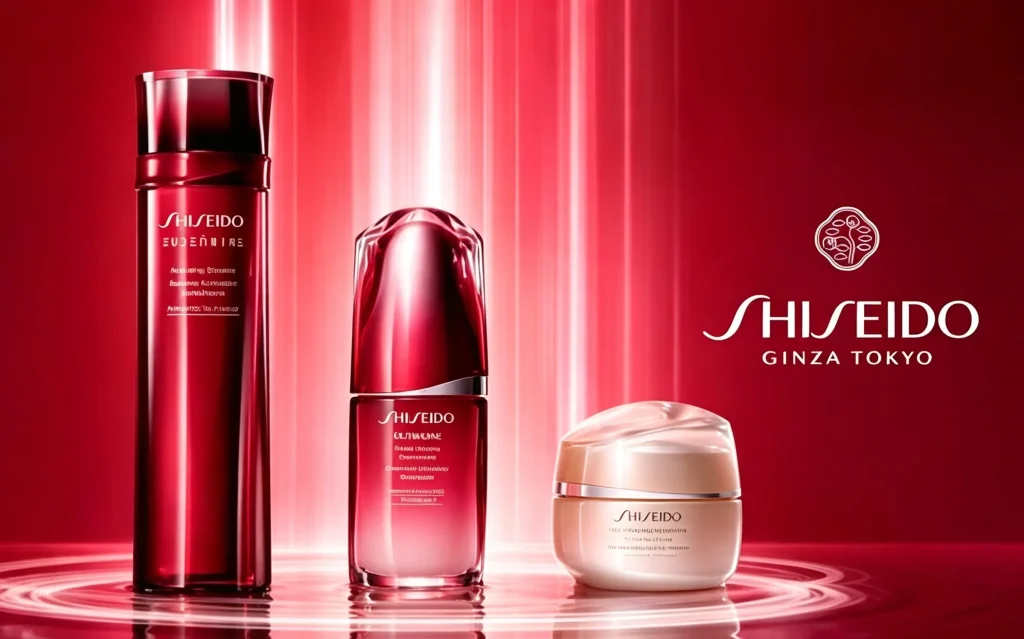
On August 5, Shiseido Group released its financial results for the first half of fiscal year 2026. Although net sales rose a modest 6.2% year-over-year—remaining virtually flat when excluding currency fluctuations—net profit attributable to owners of the parent skyrocketed 211% to 29.7 billion yen. Core operating profit also jumped 90.1% to 44.4 billion yen.
The sharp profit improvement demonstrates that gains were driven by multi-year structural reforms rather than top-line sales expansion.
Particularly notable was the turnaround in the Americas and Asia-Pacific regions, both returning to profitability after prolonged headwinds. Meanwhile, China and Travel Retail remained the primary profitability engine, contributing 38.4% of total group sales and generating 47.6 billion yen in core operating profit—accounting for 107% of the group's total profit.
Through strict cost control, brand prioritization, and regional rebalancing, Shiseido is gradually pulling itself out of recent growth bottlenecks.
Profit Recovery Driven by Structural Reform
Shiseido's profit turnaround in H1 2026 stems largely from aggressive cost reduction and operational efficiency efforts.
The group continued executing global structural reforms, cutting related reform expenses from 4.8 billion yen in H1 2025 to under 2.0 billion yen. Overhead and labor costs were brought under control through measures including closing its Hsinchu manufacturing plant in Taiwan, voluntary retirement programs, and organizational streamlining.
These adjustments lifted the group's overall core operating margin from 5.0% to 8.9%, providing solid support for net earnings.
Under its brand portfolio strategy, Shiseido concentrated resources on high-performing labels while reducing support for weaker brands. During H1 2026, growth was driven by Clé de Peau Beauté (CPB), NARS, Elixir, and BAUM.
Elixir led global growth with a 7% increase, propelled by an 80%+ sales jump in Asia-Pacific. CPB achieved double-digit gains in China and Travel Retail, while NARS maintained positive momentum across most regions behind new complexion launches and promotional campaigns for its Orgasm collection.
By contrast, struggling brands like Drunk Elephant and IPSA continued to scale back. Although Drunk Elephant's sales fell 12% in the first half, this marked a clear improvement from its 39% plunge in fiscal 2025. In the second quarter, Drunk Elephant recorded high double-digit growth in Europe, the Middle East, and Africa (EMEA), showing early signs of recovery.
Strategic focus enabled Shiseido to target marketing budgets, channel resources, and R&D on lines with real growth potential. The flagship Shiseido brand concentrated investments on its Ultimune serum and Vital Perfection anti-aging range, generating mid-single-digit sales growth in Japan and low-single-digit gains in the Americas. While sunscreen brand Anessa fell 10% overall, its second-quarter decline narrowed to 6%, indicating that inventory clearing and marketing adjustments are beginning to pay off.
Fragrance revenues rose 12% in Q2, led by a 30%+ gain in Asia-Pacific. Strong demand for Narciso Rodriguez novelties bolstered the category, with Max Mara's debut fragrance set for a global launch later this year.
The overall profit recovery relied not on short-term product hype, but on sustainable cost optimization, brand focus, and improved operational execution.
Rebalancing Regional Footprints
By geographic segment, China and Travel Retail remained Shiseido's largest source of revenue and profit. The region delivered 191.4 billion yen in net sales and 47.6 billion yen in core operating profit, pushing operating margins up to 24.6%.
Despite a 0.1% decline in Q1 like-for-like sales due to channel realignments, performance rebounded in Q2 during the 618 shopping festival—China's major mid-year e-commerce event—driven by targeted campaigns for CPB and NARS. Offline channel sales grew by mid-single digits while online channels halted their decline.
A recovery in Hainan's duty-free market and the return of luxury consumers served as key drivers pushing regional profit to record levels.
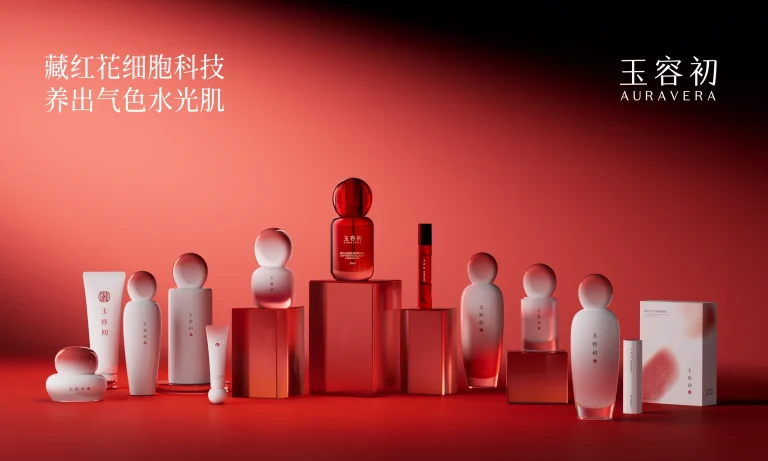
Toshinobu Umetsu, CEO of Shiseido China, noted that the company will accelerate growth across NARS, CPB, and high-end spa services, while introducing Serge Lutens fragrances and developing Luyao, a technology-driven skincare brand, to align with evolving premium consumer demand. Meanwhile, domestic Chinese beauty leaders are also re-evaluating their strategies, as discussed during the 19th China Cosmetics Convention.
At the same time, successful turnarounds in the Americas and Asia-Pacific signaled that Shiseido's global risk-diversification framework is taking shape.
In the Americas, H1 core operating profit shifted from a 5.8 billion yen loss in the prior-year period to a 2.0 billion yen profit, fueled by strong e-commerce gains. Asia-Pacific swung from a 130 million yen loss to a 2.2 billion yen profit, supported by improved gross margins in South Korea and Vietnam and nearly 20% e-commerce growth in Q2. Returning both regions to profitability significantly reduces Shiseido's reliance on any single market.
Japan remains Shiseido's second-largest market, but growth stayed sluggish. Inbound tourist spending dropped by mid-double digits due to fewer Chinese visitors, leaving local consumers to carry the market and pulling overall domestic sales down 0.4%. However, Japan's core operating profit margin expanded to 14.4%, reflecting higher domestic operational efficiency.
EMEA was the only region to remain in the red, with core operating losses widening to 3.4 billion yen due to upfront marketing spend and heavy competition in skincare. However, EMEA sales rose 9% in Q2 on strong fragrance demand, which is expected to ease margin pressures in the second half.
Shiseido's strategic focus has clearly shifted from chasing top-line scale to prioritizing earnings quality, a transition that delivered clear initial results in H1 2026. While currency tailwinds from a weaker yen helped reported figures, the primary foundation came from operational resilience built through internal reform.
With global rollouts scheduled for Max Mara fragrances, Serge Lutens officially entering China, and Luyao expanding into medical aesthetics channels, Shiseido enters the second half with a broader set of growth drivers.
Though market headwinds remain, the century-old beauty enterprise appears to have navigated its most difficult operational juncture.


Conversation
0 Comments