State Capital Powers China's Biotech Surge in Beauty Raw Materials
State-backed investment in Yuanyu Bio highlights a broader capital shift in China toward upstream biotech suppliers and specialized beauty ingredients.

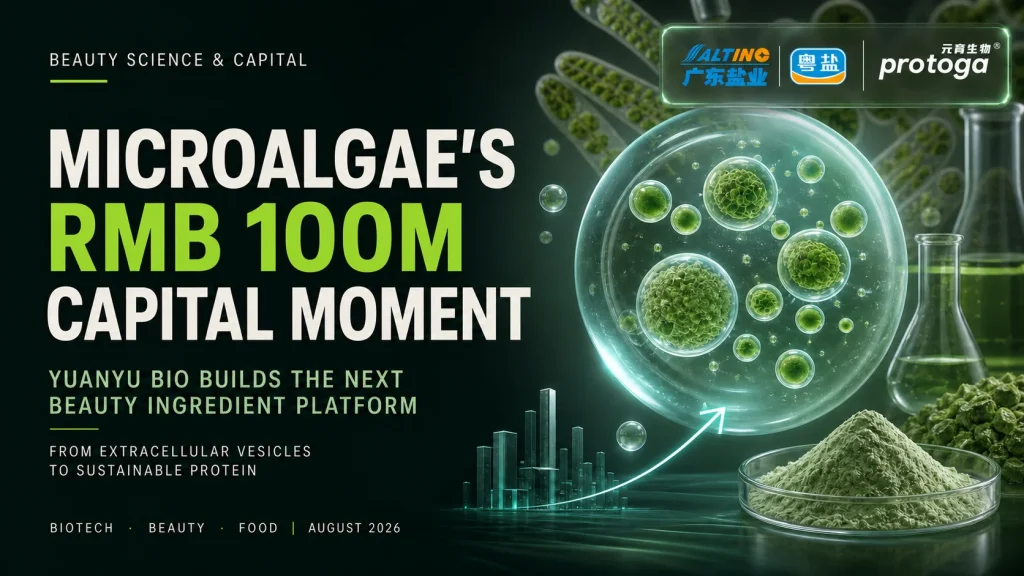
As brand-level marketing costs rise and consumer interest shifts toward clinical efficacy, venture capital in China is moving upstream toward advanced ingredient suppliers, synthetic biology platforms, and biological manufacturing developers.
On August 3, microalgae biotechnology developer Beijing Yuanyu Biotechnology Co., Ltd. (Yuanyu Bio) closed a 100 million RMB ($14 million USD) Series A+ financing round, funded exclusively by Guangdong Salt Industry Group, a state-owned enterprise. The capital will fuel the construction of a standardized manufacturing facility for microalgae-derived active extracellular vesicles (EVs) and fund commercial applications for microalgae-based sustainable proteins.
Founded in 2021 by a team with roots at Tsinghua University, Yuanyu Bio previously raised nearly 100 million RMB in August 2023 led by Hengxu Capital. The company has completed five fundraising rounds in five years, reflecting growing investor confidence in its commercialization pace.
The deal highlights a key strategic movement: state-backed capital entering deep-tech biological manufacturing. A traditional state-owned enterprise deploying over $14 million into a five-year-old microalgae startup points to the growing commercial strategic value of biotech raw materials.
A Complete Microalgae Value Chain
Yuanyu Bio operates across research, production, and industrial applications, building proprietary processes for strain selection, fermentation, and active compound extraction. The firm serves two main consumer sectors: personal care, where it develops plant-based active carrier technologies, and food, where it manufactures microalgae proteins.
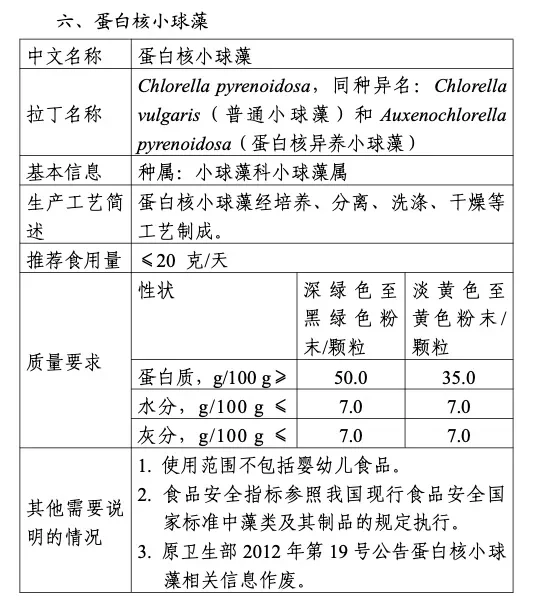
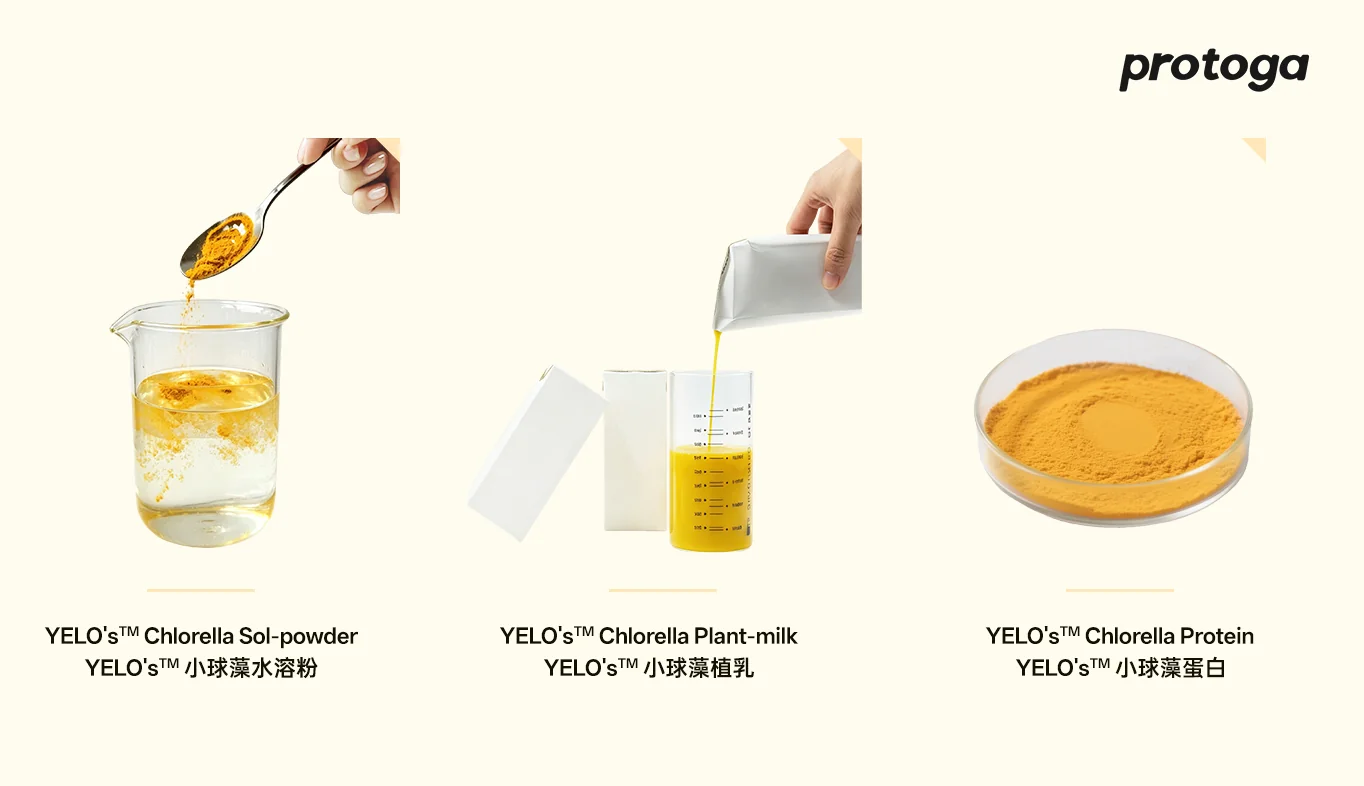
In June 2026, Yuanyu Bio cleared a regulatory milestone when China's National Health Commission approved its cultivated yellow Chlorella pyrenoidosa strain as a novel food ingredient, opening the door for commercial plant protein applications.
In cosmetics, Yuanyu Bio focuses on microalgae extracellular vesicles (EVs). Extracellular vesicles are cell-secreted nanoscale membrane structures that carry proteins, lipids, and nucleic acids to facilitate intercellular signaling. Unlike animal-derived exosomes, microalgae-derived EVs are non-animal in origin, eliminating pathogen risk and ethical concerns.
Through its Algsis EV platform, Yuanyu Bio has commercialized over ten types of extracellular vesicles derived from microalgae, microorganisms, and higher plants, including Chlorella, Euglena, and Chlamydomonas reinhardtii.
This technical capability has yielded commercial traction. Yuanyu Bio's microalgae EV ingredients have entered the global supply chain of major international beauty corporations as an exclusive vendor. In 2025, its Zhuhai manufacturing facility earned European Federation for Cosmetic Ingredients (EFfCI) GMP certification—a key requirement for supplying global beauty brands.
The new 100 million RMB investment will transition Yuanyu Bio's microalgae EV production from small-batch customized orders to large-scale, batch-consistent industrial supply. For Guangdong Salt Industry Group, the deal supports a strategic expansion into food technology and biomanufacturing, while providing Yuanyu Bio with state backing and long-term capital for supply chain growth.
Venture Capital Shifts to Upstream Ingredients
Yuanyu Bio's funding reflects a broader trend across China's cosmetics sector.
Industry data from China Beauty Headlines shows that during the first half of 2026, China's cosmetics supply chain recorded 52 publicly disclosed investment deals totaling over 5.3 billion RMB ($735 million USD).
Upstream ingredient suppliers and biotech platforms accounted for over 20 of these deals—nearly half the total volume. In contrast, downstream consumer brands secured 19 funding rounds, primarily concentrated in early-stage seed or angel rounds across niche categories like fragrance, functional hair care, and body care.
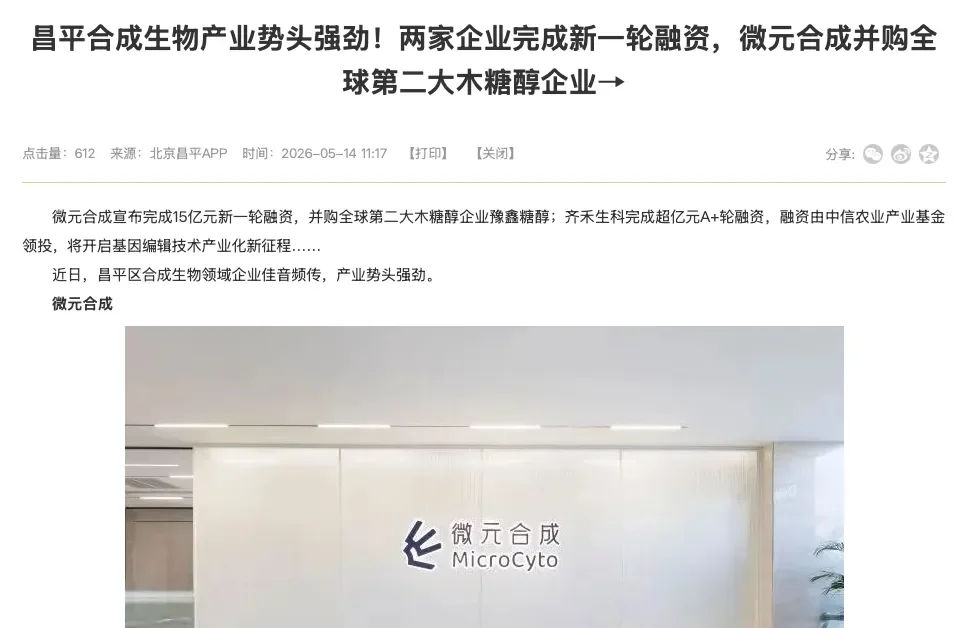
The divergence is sharper among mega-rounds exceeding 100 million RMB. Out of 16 major deals in H1 2026, the majority involved upstream technology projects in synthetic biology, raw material innovation, and AI-driven R&D. Synthetic biology firm Keyi Bio raised 1.5 billion RMB, Huaguan Bio closed a multi-hundred-million RMB Series C, Tianwu Technology raised over 200 million RMB in Series A+, and Junhemeng secured nearly 200 million RMB in Series C funding.
By comparison, only five consumer beauty brands reached the 100 million RMB funding mark during the same period, including Yatsen Holding and Fuyumanpu.
Company age data reinforces this momentum: more than one-third of financed upstream companies were founded between 2021 and 2022 during China's synthetic biology boom, and over 50% are under six years old. Capital allocators are favoring companies that hold proprietary IP and technical barriers on single platforms over broad consumer brand stories.
Upstream Suppliers Target Public Markets
Beyond private venture funding, upstream ingredient manufacturers are actively tapping public markets.
On July 27, Shenzhen Viki Technology Co., Ltd. officially listed on the Beijing Stock Exchange (BSE), becoming the market's first publicly traded cosmetic peptide supplier. Founded in 2011, Viki Technology applies pharmaceutical R&D methodologies to cosmetic peptide development.
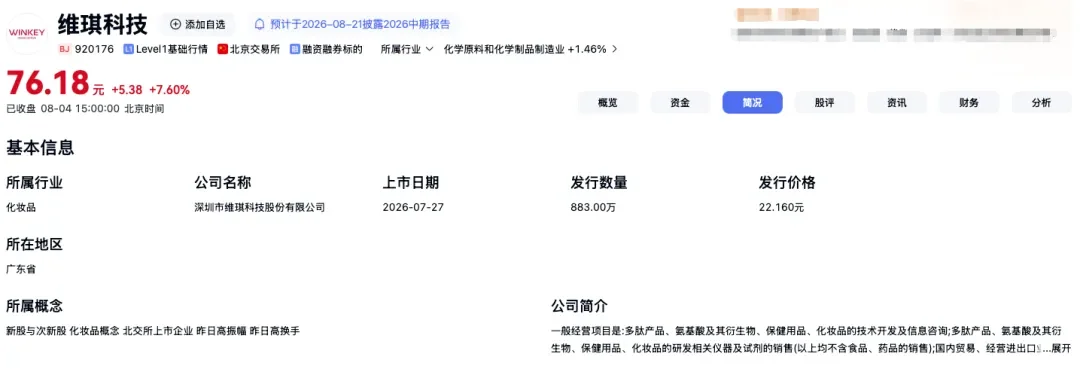
According to its prospectus, Viki Technology holds 69 invention patents related to its core business and has completed 22 new cosmetic ingredient registrations in China. Over the past five years, it has introduced more structurally novel peptides globally than any competitor.
Viki Technology supplies international and domestic cosmetics brands including Procter & Gamble, Unilever, Marubi, and Fuerjia. Proceeds from its BSE listing will fund the construction of the Viki Health Industrial Park and expand overall manufacturing capacity.
Notably, two leading Chinese beauty companies—Proya and recombinant collagen pioneer Giant Biogene—participated as strategic IPO investors, securing 90,252 shares each. This marks Giant Biogene's first strategic investment in an external ingredient supplier, while allowing Proya to secure key upstream technical capabilities.
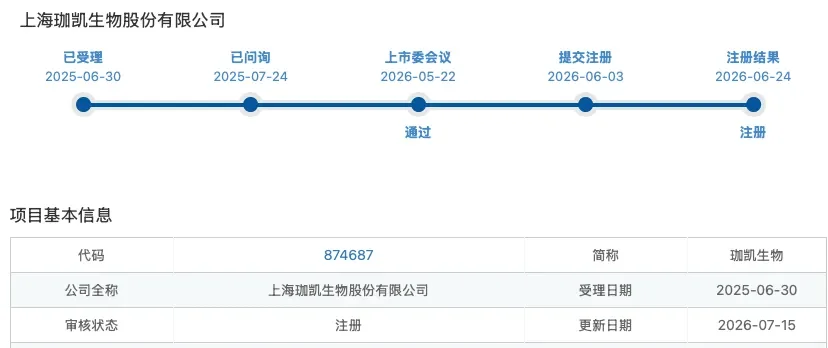
Meanwhile, active ingredient supplier Jiakai Bio is advancing its own public listing, planning an initial public offering of up to 10.2583 million shares to raise 310 million RMB.
From state-backed funding rounds to public market debuts, China's cosmetics supply chain is undergoing a structural transformation. Over the next three to five years, product differentiation among beauty brands will depend heavily on who controls high-quality raw material capacity and exclusive ingredient tech.

Conversation
0 Comments