Is TSG Consumer Building a New Playbook for Creator-Led Beauty Brands?
TSG Consumer's acquisition of Saltair suggests a private equity portfolio strategy focused on aggregating high-margin, creator-led beauty brands.

One caveat before I begin: I have no direct knowledge of what TSG Consumer Partners is actually planning. This is not based on insider conversations or confidential information. It is simply a pattern I have started noticing from the outside and my attempt to make sense of it.
Years ago, when I was raising my first venture fund around 2015, Hadley Mullin and Jenny Baxter Moser (who has since left TSG) were extraordinarily generous with their time and advice. That left a lasting impression on me and is one reason I have closely tracked TSG’s portfolio over the years. What follows, however, is entirely my own interpretation.
The Grain of Salt(air)
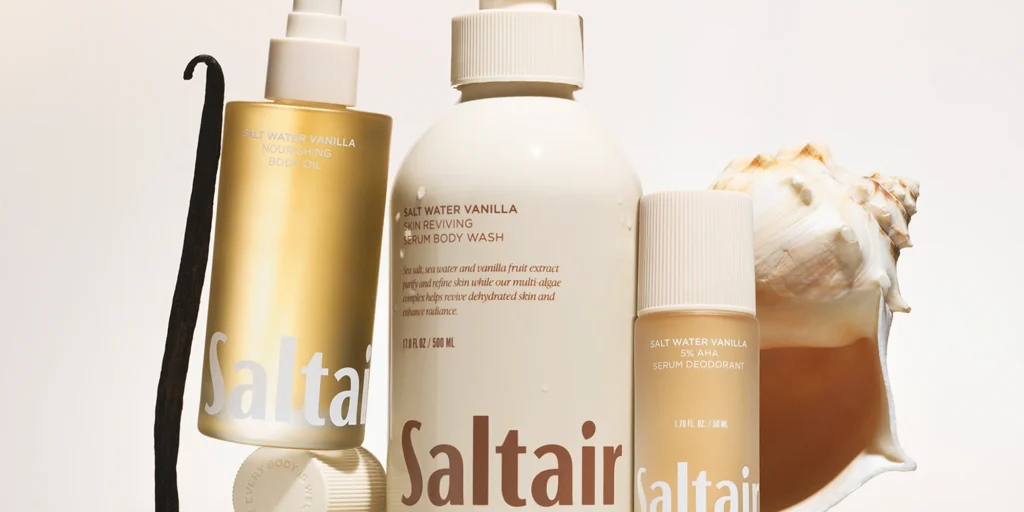
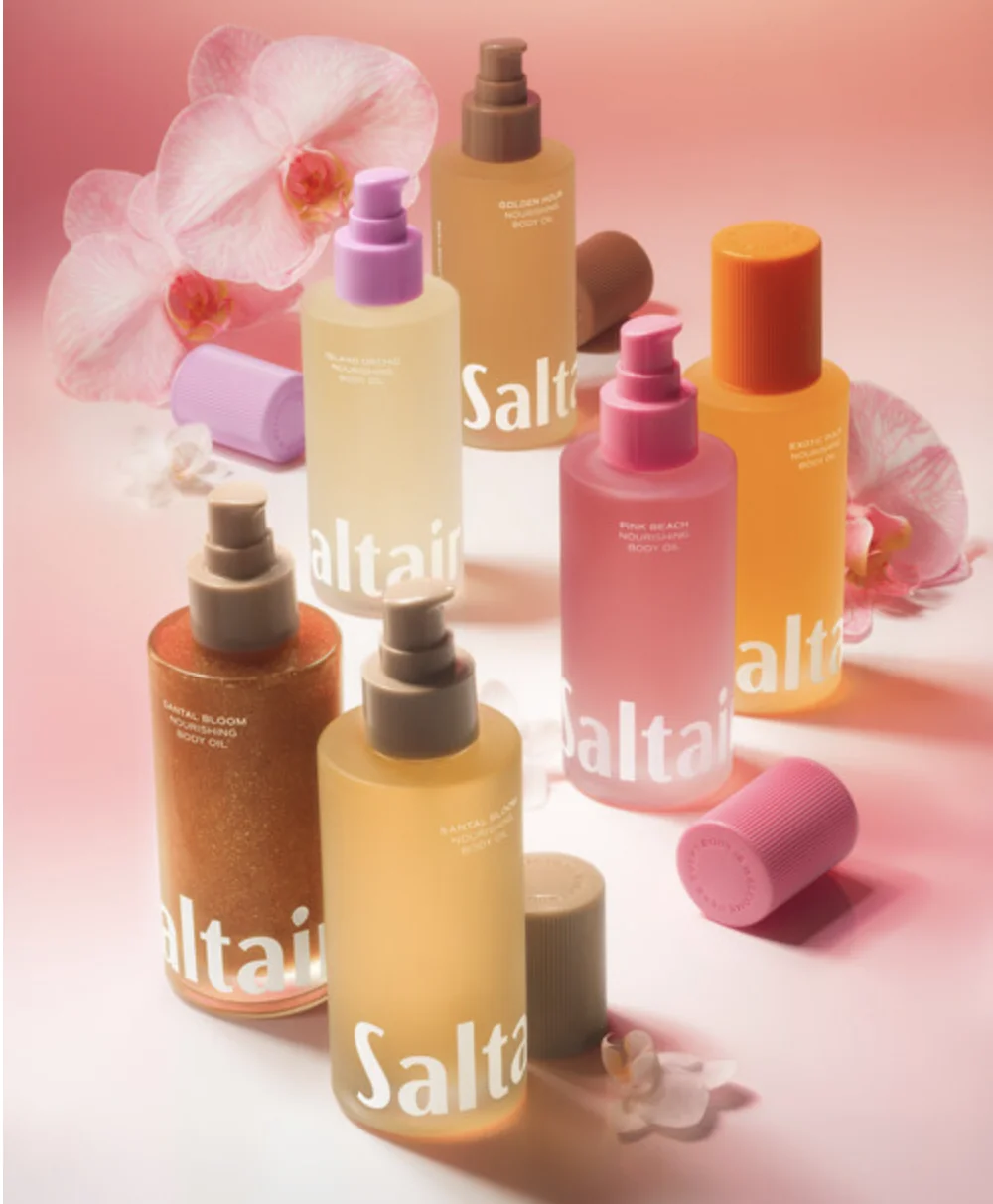
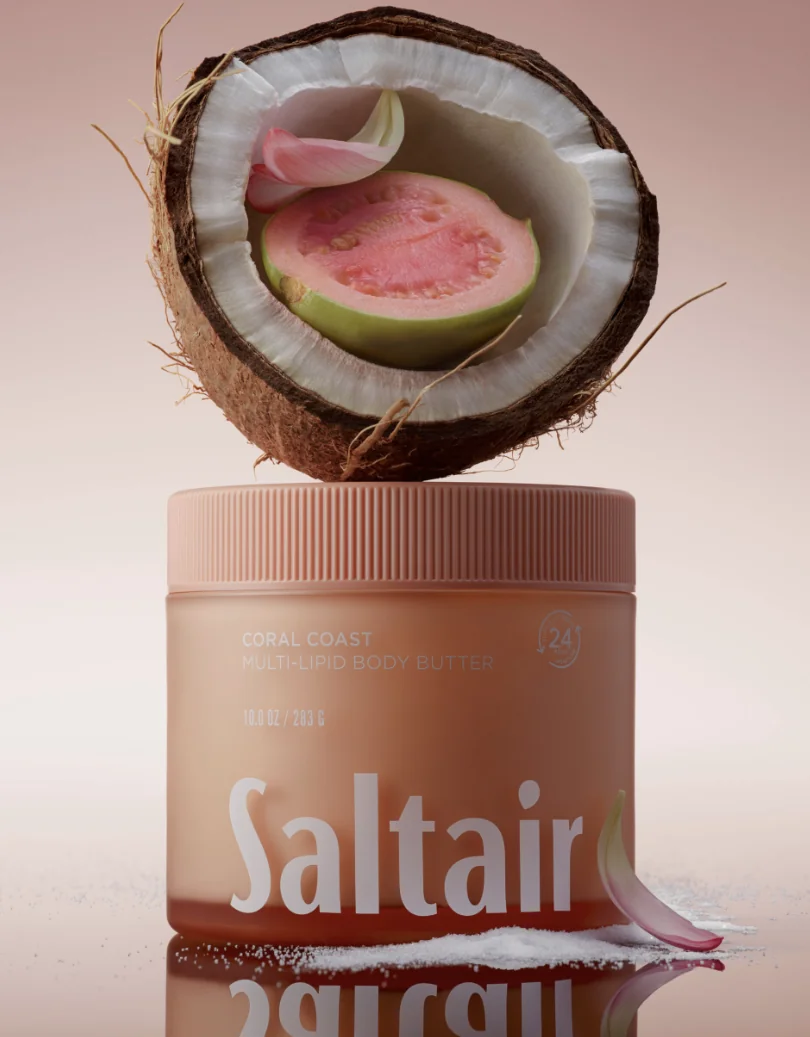
When TSG announced its acquisition of a majority stake in Saltair this week, most observers saw routine M&A in the beauty industry. To me, it crystallized a thesis I have been weighing for months. I do not think TSG is simply buying individual beauty brands. I believe they may be assembling something traditional strategic buyers struggle to manage: a dedicated portfolio of creator-led beauty brands.
By creator-led, I mean businesses built by founders who first cultivated a dedicated audience—through digital content, social media, celebrity status, or personal influence—and then converted that trust into a commercial enterprise. If this theory holds, the ultimate goal may be a portfolio cohesive and scaled enough to stand on its own in public markets.
Looking at recent deals, a distinct pattern emerges:
Summer Fridays —> Phlur —> Saltair
Different beauty categories, similar maturity, and all creator-led brands that achieved cultural relevance over the past five or six years. (All three were previously backed by Prelude Growth Partners, and two were incubated by brand incubator The Center.)
Historically, venture investors backed these high-growth indies hoping for eventual buyouts by multinational legacy strategics. But creator-led brands carry a distinct risk profile. They can scale and gain cultural traction rapidly, but predicting whether they will retain that same cultural dominance a decade later is difficult. That uncertainty makes strategic acquirers writing massive checks hesitant. Private equity, however, can price risk differently and build a portfolio strategy around that exact dynamic.
Having spent five years in private equity before moving into venture capital, one fundamental lesson remains: cash flow is paramount. Brand storytelling and cultural relevance matter deeply, but in private equity, those elements must translate into EBITDA. That is precisely what makes this generation of creator-led beauty brands so compelling.
Many of these businesses are not just scaling quickly; they are highly cash-generative. EBITDA margins of 20%, 30%, or even 40% are attainable once these brands hit scale. Those financial profile metrics are precisely what private equity firms seek. The real innovation here may not be PE investing in beauty or standard platform buy-and-build strategies—where private equity firms acquire a core business and make add-on acquisitions to capture operational and distribution synergies.
Instead, what is being aggregated here is not manufacturing assets, supply chain efficiency, or administrative overhead. It is cultural relevance.
What if TSG’s thesis does not require every brand in the cluster to become a multi-decade global legacy house? What if they are building a diversified portfolio of creator-led brands that each capture a specific cultural zeitgeist? The individual brands do not need to last forever; as one brand reaches maturity or loses momentum, another high-growth asset can cycle in. The portfolio remains culturally relevant even as constituent brands evolve.
Which Brings Me Back To TSG
TSG has a history of backing macro beauty theses early. Long before accessible mass beauty became a dominant market sector, TSG invested early in E.l.f. Beauty, supporting a crucial growth phase before the brand eventually transitioned to TPG and completed a successful public listing.
While history does not repeat itself identically, it shows TSG’s willingness to execute on a conviction before it becomes consensus. In this case, the strategy may center on building a portfolio whose collective valuation exceeds the sum of its individual parts.
The current lineup shows clear category segmentation: Summer Fridays in skincare, Phlur in fragrance, and Saltair in body care. If this thesis continues, a brand acquisition in creator-led haircare or color cosmetics would naturally follow—particularly in color cosmetics, where numerous attractive assets are currently seeking liquidity.
For scaled beauty founders and venture investors, the exit landscape has long felt binary: sell to a global strategic beauty conglomerate or continue operating independently. Creator-led brands altered that equation by scaling rapidly without fitting neatly into legacy strategic playbooks.
Strategic M&A from conglomerates like Procter & Gamble, Unilever, and L'Oréal will remain a core exit path. However, a structured private equity portfolio strategy offers a natural home for brands whose primary strengths are rapid cultural capture, high operating margins, and strong community engagement. This shift comes as creator-backed partnerships, such as influencers taking equity stakes in indie beauty brands, reshape brand capitalization and community building across the industry.
Rather than searching for a single permanent legacy brand, private equity may be building a self-renewing ecosystem designed to capture successive waves of creator-led innovation.


Conversation
0 Comments